
Plants
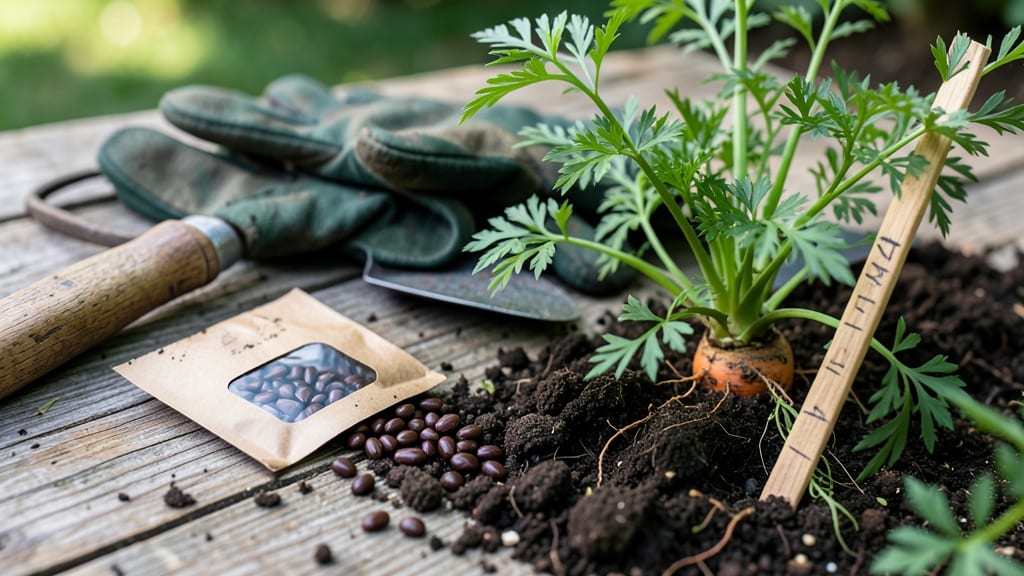
Planting carrots in Ohio isn't just about checking a calendar—it's about outsmarting the unpredictable weather that can turn your 🥕 dreams into tough, forked roots. The key? Timing your seeds to align with soil temperatures and microclimates, not just frost dates.
In Zone 6a-6b, your best bets are two windows: early spring (March 15–April 30) and fall (September 1–October 15). But here's the trick—wait until the soil warms to at least 50°F to avoid slow germination or leggy greens.
Ohio's variable climate means even a week's delay can make the difference between crisp roots and disappointment.
I've learned the hard way that planting too early leads to bolted tops or woody textures, while waiting too long risks early frosts. The solution? Succession planting every 2 weeks in spring and fall for a steady harvest.
Let me walk you through the exact timing and techniques that work in Ohio's short-season growing zones.
Whether you're a first-time gardener or a seasoned pro, these region-specific tips will help you grow sweet, straight carrots—no matter what Ohio throws your way. Ready to dig in?
Ohio carrot planting calendar: best months by microclimate zone
Ohio’s diverse microclimates mean your neighbor’s perfect carrot timing might fail in your garden. The Northwest and Northeast regions often face later springs, while the Southeast and Southwest can handle earlier sowing.
To nail your planting window, focus on soil temperatures (aim for 50°F+) and frost-free dates, which vary by 10-14 days across the state.
For most of Ohio, March 15 to April 30 is your spring planting window, but adjust based on your zone. Fall planting runs from September 1 to October 15, giving you two harvests per year. Skipping these windows risks bolting (bitter greens) or woody roots from heat stress.
| Zone | Last Frost Date | Spring Planting Window | Fall Planting Window | Soil Temp Threshold |
|---|---|---|---|---|
| Northwest (Toledo, Lima) | April 20 | April 1 - May 15 | September 1 - October 1 | 50°F+ |
| Northeast (Cleveland, Akron) | April 15 | March 25 - April 30 | September 10 - October 10 | 50°F+ |
| Southeast (Columbus, Cincinnati) | April 5 | March 15 - April 15 | September 15 - October 15 | 50°F+ |
| Southwest (Dayton, Springfield) | March 30 | March 1 - April 10 | September 5 - October 5 | 50°F+ |
Use succession planting every 2 weeks in spring and fall to stretch your harvest. For example, sow a new batch on April 1, April 15, and May 1 for continuous carrots through summer.
In fall, plant on September 1, September 15, and October 1 to avoid missing the first frost.
Check your local frost dates using the Old Farmer’s Almanac or your county extension office. In 2023, Columbus saw frost as late as May 5, while Toledo held off until May 12. Plan accordingly to avoid frost damage to tender seedlings.
For container gardening, start seeds indoors 4-6 weeks before your last frost date. Use biodegradable pots to transplant seedlings directly into the garden, reducing shock. Containers warm up faster than soil, so adjust your planting timeline 1-2 weeks earlier than outdoor sowing.
Ohio’s clay-heavy soils can stunt carrot growth. Amend beds with compost or sand to improve drainage. Test your soil’s pH (6.0-7.0)—carrots hate acidic conditions, which cause forked roots. If your soil is below 6.0, add lime 2-3 months before planting.
Pro tip: Plant carrots with onions or leeks to deter pests like carrot flies. The onion scent masks the carrot’s aroma, confusing insects. Avoid planting near dill or parsley, which attract carrot rust flies.
Remember, soil temperature matters more than air temperature. Use a soil thermometer to confirm 50°F+ before planting. If temps are below 50°F, cover seeds with black plastic for 2-3 days to warm the soil naturally.
🌱
How to adjust planting dates for Ohio’s unpredictable weather patterns
Ohio’s weather can shift faster than a summer storm, leaving carrots struggling to establish roots or bolt into bitter greens. The key to success? Flexibility in your planting schedule and smart adjustments for late springs or early frosts.
I’ve learned that even a 10-day delay in planting can mean the difference between crisp roots and woody failures.
Start by monitoring soil temperatures—carrots need 50°F+ soil to germinate. In my garden, I use a soil thermometer to confirm readiness, especially after those chilly April nights. If your soil is still cold, consider cold-hardy varieties like ‘Danvers Half Long’, which can tolerate 40°F+ soil and germinate faster.
⚠️ WARNING: Ohio’s frost dates are unreliable! Even if your neighbor planted in mid-March, a late frost can wipe out seedlings. Use row covers or black plastic mulch to warm soil and protect young plants.
I’ve seen black plastic raise soil temps by 10-15°F in just days, giving carrots the jumpstart they need.
For late springs, opt for succession planting every 2 weeks until May. This ensures a steady harvest even if the first planting fails.
In my Northwest Ohio garden, I’ve extended the season by planting a final batch in early September—these carrots mature just in time for fall harvests before frost.
Heatwaves are another Ohio challenge. If temps climb above 85°F, carrots may bolt or develop woody roots. My solution? Shade cloth (30-50% coverage) during peak heat and deep watering in the morning. I also avoid planting in full sun during July—opt for partial shade to keep roots crisp.
Don’t forget straw mulch! A 2-inch layer retains moisture, suppresses weeds, and insulates roots from temperature swings. Last year, my mulched carrots stayed 30% crisper than unmulched ones during a drought spell. It’s a simple hack that saves time and improves quality.
Finally, keep a planting journal to track what works in your microclimate. Note frost dates, soil temps, and variety performance—this data becomes your personalized planting guide over time. With these adjustments, you’ll turn Ohio’s chaos into consistent carrot success. 🥕