
Companion Plants
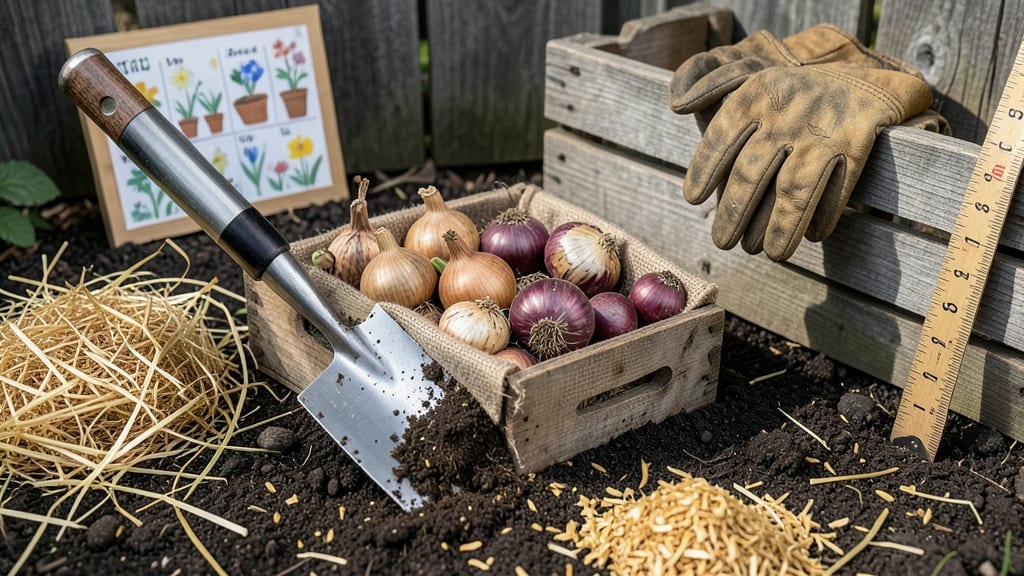
Planting bulbs in the fall isn't just about sticking them in the ground—it's about giving them a head start for spring's stunning blooms.
You might think earlier is always better, but timing is everything. In USDA Zone 6a, aim to plant 6 weeks before your first frost—typically in September or early October. This window lets roots establish before winter, ensuring vibrant flowers when spring arrives.
Whether you're planting tulips, daffodils, or hyacinths, proper depth and soil prep make all the difference. I'll walk you through the exact steps to avoid common mistakes and guarantee a garden full of color.
Let’s dive into the secrets of successful fall planting—so you can enjoy those first blooms without the guesswork.
The perfect fall planting window: 6-8 weeks before first frost explained
Timing is the secret ingredient for successful fall bulb planting. The ideal window is 6-8 weeks before your first frost date, giving bulbs enough time to establish roots before winter dormancy.
This means September-October for most of the U.S., but your exact timing depends on your USDA hardiness zone and local climate patterns.
Why does this window matter? Bulbs need 4-6 weeks of root growth before the ground freezes. If planted too early, they may sprout and get damaged by fall rains or pests.
If planted too late, roots won't develop enough to sustain the plant through winter. The 6-8 week rule balances these risks perfectly.
To find your precise planting window, check your average first frost date. The USDA zone map provides a starting point, but local weather variations matter more. For example, Zone 5 gardeners should aim for mid-September to early October, while Zone 8 can plant until late November.
Always verify with your local cooperative extension service for the most accurate data.
Regional adjustments are key. In northern climates, where frosts arrive early, stick to the earlier end of the window (6 weeks out).
In southern zones, where mild winters delay frost, you can plant up to 8 weeks before frost or even later for some varieties like crocus and snowdrops.
Don't rely solely on the calendar. Monitor your soil temperature - bulbs should go into cooler soil (below 60°F) to trigger dormancy. Use a soil thermometer to track temperatures, especially if you're in a transition zone between hardiness areas where microclimates create unpredictable conditions.
Here's how to calculate your window step-by-step:
- Find your average first frost date (use the National Oceanic and Atmospheric Administration (NOAA) website)
- Subtract 6-8 weeks from that date 3.
Adjust 1-2 weeks earlier if your fall is typically wet (to prevent rot) 4. Adjust 1 week later if you have a dry fall (to allow more root time)
| USDA Zone | Ideal Planting Window | Key Bulb Varieties | Adjustments Needed |
|---|---|---|---|
| Zones 3-4 | Mid-September to early October | Tulips, Daffodils, Hyacinths | Plant earlier if soil warms slowly |
| Zones 5-6 | Late September to mid-October | Alliums, Crocus, Snowdrops | Delay 1 week in wet climates |
| Zones 7-8 | October to early November | Daffodils, Fritillaries, Grape Hyacinths | Can plant later in mild winters |
| Zones 9-10 | November to December | Cyclamen, Iris, Rain Lilies | Some bulbs need winter chill |
Early frosts can disrupt your plans. If an unexpected frost threatens before your bulbs are planted, cover them with straw or leaves (3-4 inches thick) to protect tender shoots.
For late frosts, prioritize planting hardier bulbs first like daffodils and alliums, which tolerate cooler soils better than tulips or hyacinths.
Remember that bulb size matters too. Larger bulbs establish faster, so they can handle slightly later planting. For smaller bulbs (like crocus or snowdrops), stick to the earlier end of the window.
Always check the packaging recommendations for specific varieties, as some tropical bulbs (like canna lilies) have entirely different timing needs.
Pro tip: Mark your planting dates on a garden calendar and set reminders. Fall weather changes quickly, and you don't want to miss your window.
If you're unsure, err on the earlier side - bulbs can wait in cool, dark storage for a few weeks if needed, but they can't make up for lost root time once planted.
With this precise timing approach, you'll give your bulbs the perfect head start for vibrant spring blooms. The effort pays off when you see those first tulip shoots pushing through snow in early spring - a true gardener's reward! 🌱
How to prepare bulbs for fall planting: soil, depth, and spacing secrets
Fall is the perfect time to plant bulbs like tulips, daffodils, and crocus because they need time to establish strong root systems before winter dormancy. The key to success lies in preparing your soil, calculating the right planting depth, and spacing bulbs properly to prevent overcrowding.
Skipping these steps can lead to weak growth or even bulb rot, so let’s dive into the secrets that will give you a vibrant spring display.
Start by testing your soil’s drainage and pH. Bulbs hate soggy soil, so amend heavy clay with compost or sand to improve aeration. Aim for a slightly acidic to neutral pH (6.0–7.0).
If your soil is nutrient-poor, mix in a balanced fertilizer (like 5-10-10) at half-strength to avoid burning the bulbs. This prep work ensures your bulbs get the head start they need to thrive.
5 Critical Steps for Fall Bulb Prep
- Test soil for drainage and pH (aim for 6.0–7.0).
- Amend soil with compost or sand if heavy or compacted.
- Plant bulbs at 2–3x their height (e.g., 6" deep for 2" bulbs).
- Space bulbs 3–6" apart (closer for small bulbs, farther for large).
- Ensure well-draining soil with a 2" layer of mulch to insulate.
When it comes to planting depth, follow the rule of thumb: dig a hole that’s 2–3 times the bulb’s height. For example, a 2-inch daffodil bulb should go 4–6 inches deep. This depth protects bulbs from frost heave and ensures stability.
Use your finger to gauge depth—press the soil firmly around the bulb to eliminate air pockets, which can cause rot. Larger bulbs (like tulips) need extra depth to support their taller stems.
Spacing bulbs correctly prevents competition for nutrients and reduces disease risk. Small bulbs (crocus or grape hyacinths) can be planted 3 inches apart, while larger bulbs (tulips or daffodils) need 4–6 inches of space.
For a natural look, plant in clusters of 5–7 bulbs rather than single rows. This mimics their wild growth patterns and creates a more lush, continuous display. Overcrowding leads to weak stems and fewer blooms, so don’t skimp on space!
Don’t forget about drainage. Bulbs rot quickly in waterlogged soil, so plant in areas with natural slopes or raised beds if your yard tends to stay soggy. If you’re planting in containers, use a mix with perlite or vermiculite and ensure pots have drainage holes.
After planting, add a 2-inch layer of mulch (like straw or shredded leaves) to insulate the soil and retain moisture. This simple step can make all the difference in harsh winters.
Once your bulbs are in the ground, water them deeply to settle the soil and encourage root growth. Avoid overwatering, as bulbs need a dry dormancy period in winter. In early spring, you’ll see signs of new life—proof that your fall prep paid off!
With these soil, depth, and spacing secrets, your garden will burst with color come spring. Happy planting! 🌷