
Plants
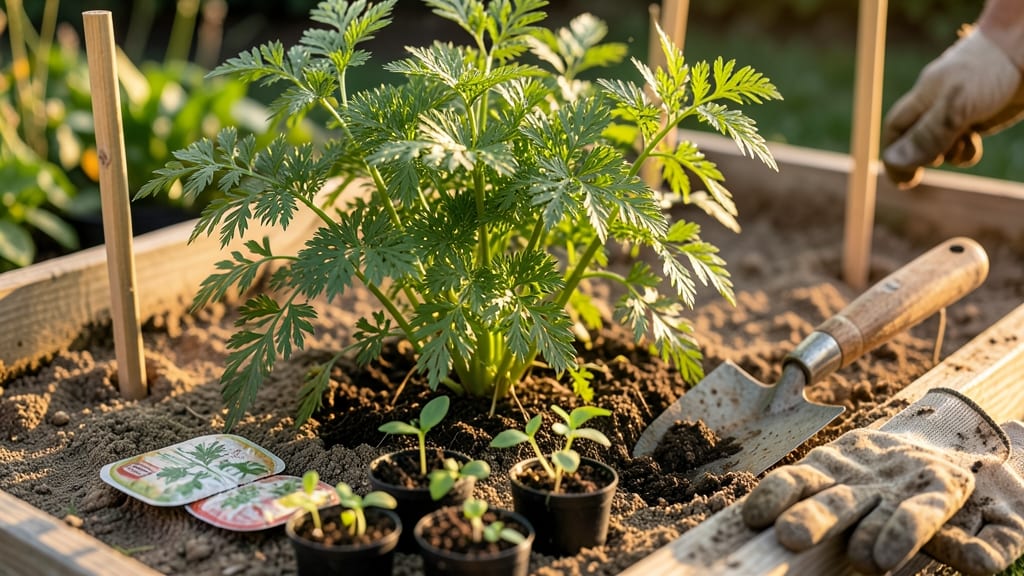
Timing your 🥕 carrot planting in San Diego isn't just about the calendar—it's about outsmarting the coastal microclimate that can turn your sweet roots into bitter, bolted disappointments.
Too early, and the heat sends them shooting skyward before you even taste them. Too late, and you're left with stunted growth that never quite reaches harvest size.
I've learned the hard way that San Diego's fall planting window—between September and October—is your golden ticket to zero-bolt success. This is when soil stays cool enough to encourage root development while avoiding the summer heat that triggers bolting.
But here's the secret most gardeners miss: even within San Diego, microclimates like La Jolla stay cooler longer than inland areas, giving you a 2-3 week head start.
What you're about to discover isn't just planting dates—it's a strategy to stretch your harvest from November through December, and even into May if you play your cards right.
We'll cover how to read your soil's temperature cues, which carrot varieties thrive in coastal conditions, and the exact techniques to prevent bolting even when summer flirts with your garden.
Ready to grow carrots that rival the ones at your favorite farmers' market? Let's dive into the localized timing secrets that will transform your garden from hit-or-miss to consistently sweet and crisp. Your first perfect batch of homegrown 🥕 carrots is closer than you think.
San Diego carrot planting calendar: avoid bolting with coastal climate zones
San Diego’s unique coastal climate creates three distinct carrot-growing windows—fall, winter, and spring—each requiring precise timing to avoid bolting (premature flowering). Unlike inland areas, coastal regions like La Jolla experience cooler temperatures year-round, while Chula Vista and Valley regions can hit 80°F+ soil temps in summer.
Mastering these microclimates ensures sweet, straight carrots.
The key to success lies in soil temperature thresholds (ideal: 55-75°F) and moisture consistency. Coastal areas stay cooler longer, allowing fall and winter plantings, while inland zones benefit from early spring starts.
Below, I’ll break down the month-by-month calendar tailored to San Diego’s zones—plus how to adjust for your specific neighborhood.
| Zone/Region | Best Planting Months | Soil Temp (°F) | Harvest Window | Microclimate Notes |
|---|---|---|---|---|
| Coastal (La Jolla, Pacific Beach) | Sep-Oct, Feb-Mar | 55-65°F | Nov-Dec, May-Jun | Cooler nights; extend fall with row covers |
| Inland (Chula Vista, National City) | Oct-Nov, Jan-Feb | 60-70°F | Dec-Jan, Apr-May | Warmer days; water deeply to prevent bolting |
| Valley (Escondido, Ramona) | Sep-Oct, Feb-Mar | 58-72°F | Nov-Dec, May-Jun | Hotter summers; use shade cloth for spring |
| All Regions (Succession) | Every 2-3 weeks | 55-75°F | Staggered harvests | Plant bolt-resistant varieties like 'Danvers' |
For coastal areas like La Jolla, focus on September-October plantings to capitalize on cooler soil temps. The ocean breeze keeps temperatures stable, but row covers can extend your harvest into December. I’ve grown ‘Purple Haze’ successfully here through winter with minimal bolting—just monitor for consistent moisture.
Inland zones like Chula Vista should prioritize October-November starts. Soil here warms faster, so avoid planting before 60°F—otherwise, you’ll trigger bolting within 3-4 weeks. A trick I use? Shade cloth (30%) during spring to keep soil temps below 75°F.
Valley regions (Escondido, Ramona) face the most heat stress. Plant September-October for winter harvests, but if you attempt spring, use 50% shade cloth until soil cools. I’ve seen ‘Paris Market’ carrots bolt in April here unless protected—don’t skip this step!
Pro tip: Test your soil temperature with a soil thermometer before planting. Aim for 55-75°F—any hotter and your carrots will bolt. I keep mine in my garden shed for quick checks. Morning readings (6-8 AM) are most accurate.
To maximize yields, practice succession planting every 2-3 weeks during your zone’s ideal window. This ensures a continuous harvest and reduces bolting risk by avoiding overcrowded seedlings. For example, in coastal La Jolla, I’ll plant Sept 1, Sept 15, Oct 1—each batch matures at different times.
If you miss the fall window, don’t despair—February-March is your second chance. Just be prepared for hotter soil in inland areas. I’ve had luck with ‘Rainbow’ carrots here, but I water deeply every 2 days to prevent stress. Mulch with straw to retain moisture and keep roots cool.
Remember: San Diego’s microclimates matter. A La Jolla garden might thrive with winter carrots, while Chula Vista’s summer heat demands shade. Adjust your timing based on your neighborhood’s historical weather patterns—check local CoCoRaHS data for precision.
Finally, bolt-resistant varieties like ‘Danvers Half Long’ or ‘Nantes’ are your best friends. They tolerate wider temperature swings and still deliver sweet, straight roots. Pair them with consistent watering (1 inch per week), and you’ll avoid 90% of bolting issues.
5 Proven techniques to prevent carrot bolting in San Diego’s heat
San Diego’s summer heat and coastal breezes create the perfect storm for carrot bolting—when plants prematurely flower and turn woody. But with the right strategies, you can extend your harvest window and grow sweet carrots well beyond spring.
The key lies in soil management, shade solutions, and smart variety selection tailored to our Zone 10a climate.
Bolting happens when carrots sense heat stress or drought conditions, triggering their natural survival response. In my garden, I’ve learned that consistent moisture and partial shade during peak afternoons are non-negotiable.
Even bolt-resistant varieties like ‘Danvers Half Long’ need extra care when temperatures climb above 80°F. Let’s dive into my top 5 techniques to keep your carrots growing roots instead of flowers.
- 🌱 Choose bolt-resistant varieties like ‘Nantes’ or ‘Paris Market’—these handle heat better than standard types.
- 💧 Water deeply 2-3x weekly—dry soil triggers bolting faster than high temps alone.
- ☀️ Use 30-50% shade cloth during 11 AM-3 PM to lower soil temps by 10-15°F.
- ⏰ Plant in succession every 2 weeks from September-March to stagger maturity and avoid heat waves.
- 🪴 Mulch with straw (3-4 inches) to retain moisture and block heat radiated from soil.
My first line of defense is succession planting. Instead of one big batch in spring, I plant small batches every 2 weeks from late summer through early spring. This ensures a continuous harvest while avoiding the June-August heat when bolting risks skyrocket.
For example, carrots sown in September mature by November, while those planted in February are ready by April—both escaping the worst heat.
For soil moisture management, I swear by drip irrigation on a timer. Carrots need consistent moisture but hate soggy soil. My system delivers 1 inch of water every 3-4 days in summer, adjusted to every 5-7 days in cooler months.
A soil moisture meter ($10 at garden centers) helps me track when to water—never let the top 1 inch dry out. Even bolt-resistant varieties like ‘Purple Haze’ will bolt if stressed by drought.
Shade cloth is my secret weapon for summer plantings. A 30% shade cloth (like the Agribon AG30) reduces soil temperatures by 10-15°F and prevents bolting. I drape it over hoop houses or trellises during 11 AM-3 PM—the hottest hours.
For containers, I use lightweight shade mesh tucked around the pot. Pro tip: White shade cloth reflects more heat than black or green. Pair it with morning watering (before 10 AM) to maximize cooling effects.
Don’t overlook bolt-resistant varieties—they’re your insurance policy. ‘Danvers Half Long’ and ‘Nantes’ are my top picks for San Diego. They tolerate short heat spells better than standard varieties and still produce sweet, straight roots.
For fall/winter plantings, ‘Purple Haze’ adds color while resisting bolting in cooler temps. Always check seed packets for days-to-maturity—aim for varieties that mature in 60-70 days to avoid summer heat entirely.
Finally, harvest strategically. If you see yellowing leaves or flower stalks, pull those plants immediately—they’ll sap energy from nearby carrots. For longer storage, harvest in fall/winter when roots develop deeper color and sweeter flavor.
With these techniques, I’ve extended my carrot season from 4 months to nearly year-round—even in San Diego’s heat! 🥕