
Plants
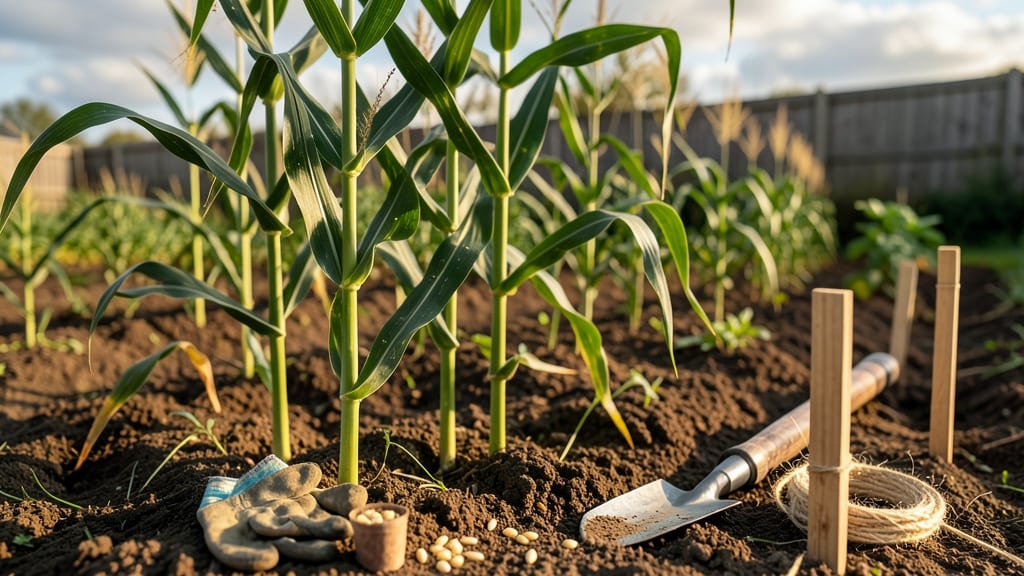
Planting corn in San Diego might seem tricky—after all, this isn’t Iowa—but with the right timing, you can grow sweet, homegrown 🌽 ears all season long. The key is avoiding the two biggest mistakes: planting too early (risking heat stress) or too late (missing the harvest window).
Since San Diego’s frost-free climate means no sudden freezes, the real challenge is heat tolerance and soil warmth.
For the best results, focus on two planting windows: early spring (March–April) when soil temperatures hit 60°F+, or late summer (July–August) to beat the peak heat. Coastal areas like La Jolla stay cooler longer, while inland spots near El Cajon demand faster-growing varieties.
Let’s break down the exact timing and tricks to keep your corn thriving in Southern California’s unique microclimates.
Why does timing matter so much? Corn is sensitive to temperature swings—too hot too soon, and it bolts (flowering early without ears). Too cool, and germination stalls. The solution? Choose heat-tolerant varieties like ‘Golden Bantam’ and plant when soil (not air) temperature is consistently warm.
I’ll show you how to nail the window and avoid common pitfalls that kill corn gardens here.
Ready to grow corn that’s sweeter than store-bought? You’ll learn how to adjust for your specific neighborhood’s heat, water needs, and even companion plants that boost yields. Let’s get those kernels popping!
Best planting windows for corn in San Diego’s coastal vs inland microclimates
San Diego’s Mediterranean climate creates two distinct growing zones for corn: the cooler coastal areas and the hotter inland regions. Both offer frost-free growing seasons, but their temperature fluctuations and soil warming rates differ dramatically.
Coastal areas like La Jolla enjoy longer growing windows due to ocean breezes, while inland areas like Escondido face intense summer heat that demands precise timing.
Corn thrives when soil temperatures reach 60°F+, a threshold that arrives earlier in inland zones but requires consistent moisture to prevent bolting. Coastal gardeners can plant 2-3 weeks earlier than inland counterparts, thanks to milder nights. Understanding these microclimates is key to avoiding stunted growth or premature harvests.
🌽 Soil Temperature Rule: Always test soil with a thermometer before planting—corn seeds won’t germinate below 55°F. Coastal soils warm gradually, while inland soils can spike to 80°F+ by April, creating a narrow window for ideal planting.
| Factor | Coastal Microclimate (e.g., La Jolla) | Inland Microclimate (e.g., Escondido) |
|---|---|---|
| Planting Window | March 15 – April 15 | April 1 – May 1 |
| Soil Temp at Planting | 60–65°F (gradual warming) | 65–75°F (rapid warming) |
| Harvest Window | June 15 – July 31 | July 15 – August 31 |
| Key Challenge | Fungal risk from humidity | Heat stress/bolting |
| Best Varieties | ‘Country Gentleman’ (sweet) | ‘Peaches and Cream’ (heat-tolerant) |
| Succession Planting | Every 2 weeks until May 15 | Every 3 weeks until June 1 |
For coastal San Diego, aim to plant corn between mid-March and mid-April when daytime highs consistently reach 70°F+. This timing aligns with the spring rainy season’s end, ensuring your soil stays moist but not waterlogged.
Varieties like ‘Country Gentleman’ thrive here, producing sweet, tender ears by late June.
Inland gardeners should wait until early April when soil temperatures stabilize above 65°F. The inland heat arrives faster, so planting too early risks bolting (premature flowering). Opt for heat-tolerant varieties like ‘Peaches and Cream’, which can handle 90°F+ days without sacrificing sweetness.
🌡️ Pro Tip: Use black plastic mulch to warm inland soils 5–10°F faster, creating a microclimate that mimics coastal conditions. This trick extends your planting window by 1–2 weeks in hotter areas.
Both regions benefit from succession planting, but the schedules differ. Coastal gardeners can stagger plantings every 2 weeks until mid-May, while inland gardeners should space plantings 3 weeks apart to avoid overlapping harvests during peak summer heat.
This strategy ensures a continuous supply of fresh corn from June through August.
Monitor your corn’s silk emergence—a critical sign of pollination success. In coastal areas, silks appear 70–80 days after planting, while inland corn may show silks in just 60–70 days due to faster growth.
If silks dry before pollination (common in hot inland summers), hand-pollinate by transferring silk from one plant to another using a soft paintbrush.
Remember: Corn is a heavy feeder, so amend your soil with compost or aged manure before planting. Coastal soils may need phosphorus boosts for root development, while inland soils benefit from potassium-rich fertilizers to combat heat stress. Test your soil in late winter to adjust nutrients accordingly.
With these microclimate-specific strategies, you’ll avoid the pitfalls of San Diego’s unpredictable growing seasons and enjoy a bountiful corn harvest. Whether you’re in cool coastal La Jolla or sunbaked Escondido, timing is everything for sweet, homegrown ears!
Best planting windows for corn in San Diego’s coastal vs inland microclimates
San Diego’s Mediterranean climate means no frost to worry about, but soil temperature and microclimates still dictate your corn’s success. Coastal areas like La Jolla and Del Mar stay cooler longer, while inland spots near El Cajon or Chula Vista can hit 90°F+ by May.
This creates two distinct planting windows tailored to your neighborhood’s heat profile.
For coastal San Diego, aim for March 15–April 15 to catch the 60°F+ soil needed for germination. Inland gardeners should shift to July 1–August 15 to avoid the brutal summer heat.
Both timings align with 90-day maturity varieties like ‘Golden Bantam’ or ‘Peaches and Cream,’ ensuring harvests before fall rains arrive.
🌱 Pro Tip: Use a soil thermometer to confirm 60°F+ before planting—corn seeds won’t germinate in cooler soil, even if air temps are warm.
| Factor | Coastal San Diego (La Jolla, Del Mar) | Inland San Diego (El Cajon, Chula Vista) |
|---|---|---|
| Ideal Planting Window | March 15–April 15 | July 1–August 15 |
| Soil Temp Requirement | 60°F+ (consistent) | 60°F+ (afternoon heat) |
| Heat Risk | Low (moderate summers) | High (100°F+ by July) |
| Best Varieties | ‘Golden Bantam’ (85 days), ‘Peaches and Cream’ (90 days) | ‘Silver Queen’ (95 days), ‘Country Gentleman’ (110 days) |
| Harvest Window | June–July | October–November |
Inland areas need heat-tolerant varieties like ‘Silver Queen’ to survive 100°F+ afternoons. These varieties mature slower but handle the heat better. Meanwhile, coastal gardeners can experiment with sweet corn hybrids like ‘Peaches and Cream,’ which develop sugary kernels faster in cooler conditions.
🌡️ Watch Out: Even in coastal zones, May heatwaves can spike soil temps above 85°F, stressing young plants. If your soil thermometer hits 90°F+, delay planting until evening temps drop below 80°F.
For maximum yields, stagger plantings every 2 weeks within your window. This ensures a continuous harvest and reduces the risk of bolting (premature flowering) from sudden heat spikes. Pair your corn with beans or squash to improve pollination and soil health.
🌽 Final Tip: If you miss the spring window, don’t despair—inland gardeners can try a fall planting in September for a winter harvest, though yields may be smaller due to shorter daylight.