
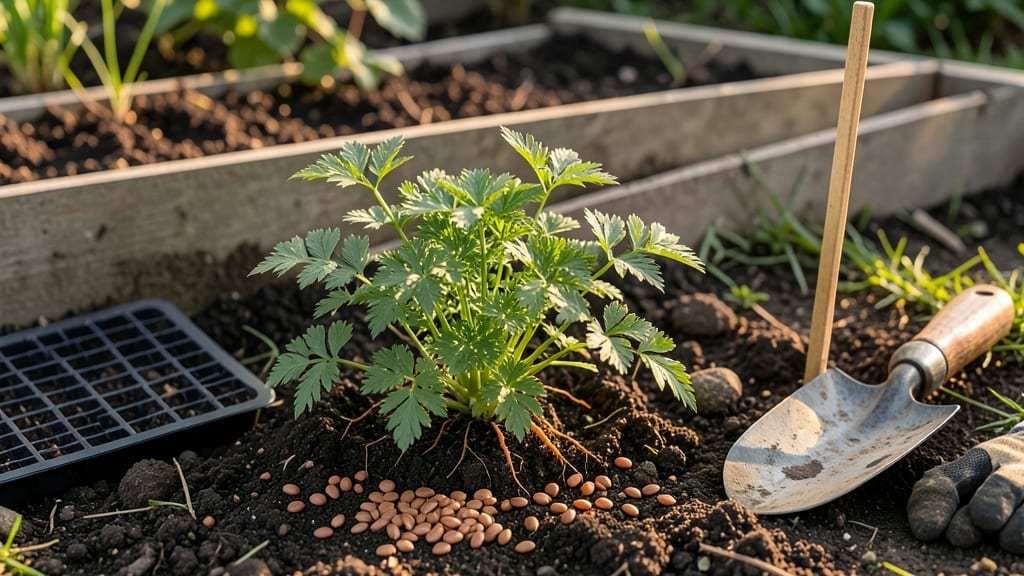
When to Plant Carrots in NY: Frost-Free Timeline by County for Sweetest Roots

Plants

When to Plant Carrots in NY: Frost-Free Timeline by County for Sweetest Roots

Planting carrots in New York at the wrong time can turn your garden dreams into a bitter disappointment—literally. The sweetest, crispest 🥕 roots thrive when sown just right, but NY’s unpredictable frost dates make timing everything.

Whether you're in the Hudson Valley or upstate, knowing when to plant carrots means avoiding early frosts that stunt growth or late-season heat that turns roots woody. The key? Aligning your planting with your county’s last frost date—typically around mid-April—while also planning for a late-summer harvest.

I’ll break down the exact windows for spring and fall planting, plus how to adjust for your specific microclimate. No more guessing—just a foolproof schedule for consistent, delicious carrots all season long.

Ready to grow carrots that actually taste like carrots? Let’s get started with the perfect planting timeline for your NY garden.

🥕 When to Plant Carrot
Jan ❄️
Feb 🌱
Mar 🥕
Apr 🥕
May 🌱
Jun ☀️
Jul ☀️
Aug ☀️
Sep 🍂
Oct 🍂
Nov 🍂
Dec ❄️
Ideal Time
Also Good

NY carrot planting timeline by county: frost dates & optimal months

New York’s diverse microclimates make timing critical for crisp, sweet carrots. Plant too early, and frost will kill seedlings; too late, and roots may bolt or taste bitter. The secret? Aligning your planting with your county’s average last frost date while ensuring soil temperatures stay above 50°F (10°C).

Below, I’ve broken down the ideal windows for 10 key NY regions, including frost-free planting dates and soil prep tips.

Carrots thrive in cool-season conditions but need consistent warmth to germinate. Most varieties take 60–80 days to mature, so timing your planting ensures a harvest before summer heat sets in.

For example, Long Island gardeners can start as early as late February, while Western NY may wait until mid-April. Always check your local USDA Zone (5b–7a) for fine-tuning.

Soil temperature is just as critical as air temperature. Carrot seeds won’t germinate below 50°F (10°C), so use a soil thermometer to confirm readiness. If your soil is too cold, opt for cold-hardy varieties like ‘Early Nantes’ or use row covers to warm the soil faster.

Pro tip: Loosen soil to a depth of 12 inches before planting—compacted soil leads to forked or stunted roots.

Here’s your county-by-county guide to planting carrots in NY, including frost dates and optimal months for spring and fall harvests. Bookmark this for quick reference!

County/Region Avg. Last Frost Spring Planting Window Fall Planting Window Soil Temp. Requirement Harvest Time
Long Island (Suffolk/Nassau) April 1–15 Late February–April 15 July 15–August 15 50°F+ (10°C+) June–October
Hudson Valley (Dutchess, Ulster) April 10–25 Mid-March–April 20 July 1–August 10 50°F+ (10°C+) June–September
Western NY (Erie, Niagara) April 20–May 5 Late March–May 1 July 10–August 20 55°F+ (13°C+) July–October
Capital District (Albany, Schenectady) April 15–May 1 Early April–April 30 July 5–August 15 50°F+ (10°C+) June–September
Finger Lakes (Yates, Ontario) April 25–May 10 Late March–April 25 July 10–August 10 50°F+ (10°C+) July–October
Adirondacks (Warren, Essex) May 10–20 Late April–May 10 July 20–August 5 55°F+ (13°C+) July–September
New York City (Bronx, Queens) April 10–20 Mid-March–April 15 July 1–August 10 50°F+ (10°C+) June–October
Chautauqua (Western NY Lakes) April 20–May 5 Late March–April 30

How to extend carrot season in NY: successive planting & cold frame tips

New York’s unpredictable weather can make growing carrots a challenge, but with the right strategies, you can enjoy fresh harvests from early summer through fall. The secret? Successive planting and season-extending tools like cold frames and row covers.

These methods let you push your growing season well beyond the typical spring harvest, giving you crisp, sweet carrots when grocery store options are bland and expensive.

Most gardeners in NY focus on a single spring planting, but that leaves gaps in your harvest timeline. By using staggered plantings and protective structures, you can enjoy carrots for months longer.

For example, I’ve had success with three distinct plantings—early spring, mid-summer, and late summer—each yielding a fresh batch of roots before the first frost. The key is understanding how to time these plantings and protect them from NY’s variable climate.

🌱 NY Carrot Planting Schedule for Extended Harvests
  1. 1 Early Spring Planting: Mid-March to early April (4–6 weeks before last frost). Use row covers if frost threatens. Ideal for Danvers Half Long or Nantes varieties.
  2. 2 Mid-Summer Planting: Late June to early July (60–70 days before first frost). Choose short-day varieties like Paris Market for faster harvests. Thin seedlings aggressively to avoid crowding.
  3. 3 Late Summer Planting: Early to mid-August (for a fall harvest). Protect with cold frames or low tunnels to extend the season by 4–6 weeks. Avoid woody varieties like Chantenay in cold soil.
  4. 4 Cold Frame Extension: Plant late August to early September in a cold frame. Harvest before soil temps drop below 40°F. Use straw mulch (3–4 inches) to insulate roots.
  5. 5 Avoid These Mistakes: Planting too close to frost dates (60 days minimum to maturity), using heavy clay soil (leads to forked roots), or skipping succession sowing every 2 weeks for continuous harvests.

One of my favorite tricks is using cold frames to create a microclimate that keeps soil temperatures stable. A simple cold frame—even a DIY version made from wooden frames and plastic sheeting—can add 4–6 weeks to your growing season.

For example, I planted Paris Market carrots in early September under a cold frame and harvested them in mid-October, long after my unprotected beds had frozen. The secret is keeping the frame well-ventilated during warm days to prevent overheating, which can cause bolting.

Don’t overlook row covers for mid-summer plantings. Lightweight fabric like frost cloth can shield young seedlings from late spring frosts or protect them from pests like carrot rust fly.

I’ve used row covers on my July plantings in the Hudson Valley, and they’ve helped me avoid crop loss from unexpected cold snaps. Just remember to remove covers during hot days to prevent heat stress—carrots thrive in cool soil (ideal range: 55–75°F).

When planning your succession schedule, prioritize fast-maturing varieties for late plantings. Baby carrots (like ‘Little Finger’) can be ready in 50–60 days, making them perfect for August sowings. For longer roots, stick to Nantes or Danvers types, but give them extra time to mature before cold sets in.

And always thin seedlings to 2–3 inches apart—crowded carrots grow twisted and bitter, no matter how perfectly you time your planting.

Finally, pay attention to soil conditions when extending your season. Cold frames and row covers trap moisture, so reduce watering by 20–30% to avoid rot. I’ve learned this the hard way—overwatered carrots in a cold frame last fall turned mushy before I could harvest them.

Use a moisture meter or stick your finger in the soil to check depth before watering. Aim for consistently moist (not soggy) soil, and always water in the morning to let excess moisture evaporate.

★★★★★4.6(15 reviews)
Categories Plants