
Plants
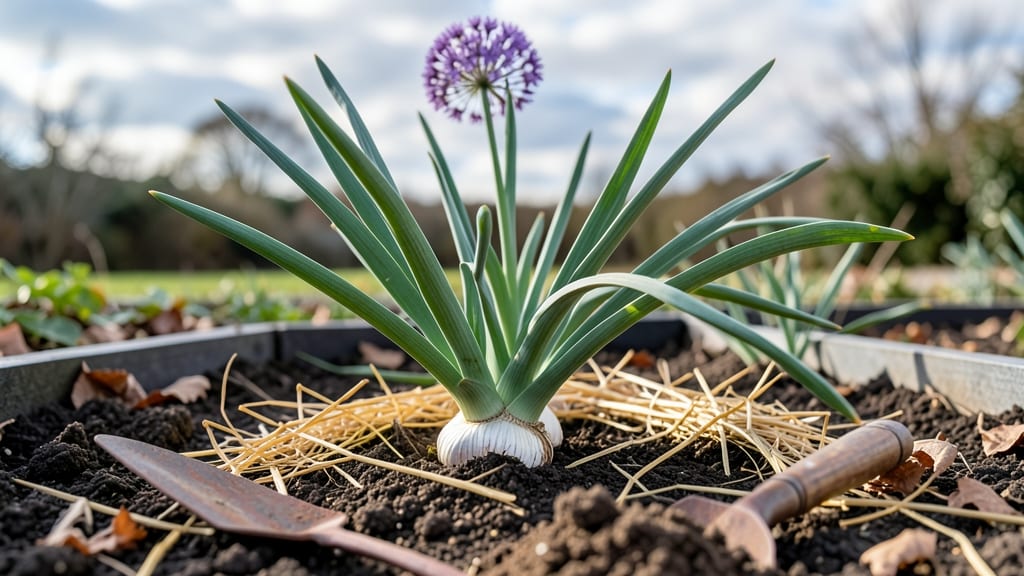
Planting garlic in New York at the wrong time can turn your hard work into bitter disappointment—especially if you end up with bolted cloves that never form proper bulbs. The key to zero-bolt garlic lies in timing it perfectly, and New York’s 5-7 climate zones demand a specific window.
Most gardeners know garlic thrives in fall, but the exact moment matters. If you plant too early, the cloves might rot; too late, and they won’t get enough cold to develop properly.
For New York, the sweet spot is mid-October to early November, when soil temps drop but before the ground freezes solid.
Why does this matter? Because garlic needs a long, cold winter to build strong roots—something New York’s winters deliver, but only if you plant at the right moment.
I’ll walk you through the exact steps to time it perfectly, from soil prep to frost dates, so you can grow plump, flavorful bulbs ready by mid-July.
Skip the guesswork and learn how to set your garlic up for success, whether you’re a seasoned gardener or just starting. Let’s get those 🧄 cloves in the ground the right way—no wasted effort, just big harvests.
Best months to plant garlic in New York for zero-bolt success
New York’s USDA Zones 5-7 create unique challenges for garlic growers. Unlike warmer climates, fall planting is non-negotiable if you want zero-bolt bulbs. The key?
Planting when soil temps drop below 50°F (10°C) but before the ground freezes. This cold period triggers garlic’s dormancy cycle, preventing premature flowering (bolting).
For most of New York, the ideal window spans mid-October to early November. This timing ensures garlic gets 6-8 weeks of chilling before winter sets in.
In colder upstate regions (Zone 5), aim for late September to mid-October. Downstate (Zone 7), you have until early November—but don’t wait too long!
Spring planting is possible in New York, but it’s risky. Only hardneck varieties like ‘Music’ or ‘German White’ can handle it. Plant in March or early April when soil reaches 40°F (4°C). Softneck varieties (‘Artichoke’) will almost certainly bolt if planted in spring.
Soil temperature is your best guide. Use a soil thermometer to confirm readings. For fall planting, target 45-50°F (7-10°C) at a 4-inch depth. If temps drop below 32°F (0°C) before planting, cover the bed with straw mulch (4-6 inches) to protect cloves.
| Planting Window | USDA Zone | Soil Temp | Key Notes |
|---|---|---|---|
| Mid-October | Zone 5 (Upstate) | 45-50°F (7-10°C) | Coldest region; plant early |
| Late October | Zone 6 (Central NY) | 48-52°F (9-11°C) | Standard timing for most gardeners |
| Early November | Zone 7 (Downstate) | 50-55°F (10-13°C) | Latest safe window; avoid frost |
| Spring Alternative (Risky) | |||
| March-April | Zones 5-7 | 40°F (4°C) | Only hardnecks; high bolt risk |
Bolting is the #1 enemy of New York garlic growers. To prevent it, ensure your cloves get at least 60 days below 40°F (4°C). In Zone 5, this happens naturally. In Zone 7, you may need to mulch heavily or use row covers to extend chilling.
Avoid planting too early—warm fall soils can trick garlic into thinking it’s spring, triggering bolting.
Pro tip: Use last year’s garlic bulbs for planting—they’ve already proven their hardiness to New York’s climate. Break bulbs into individual cloves (keep the papery skin on) and plant the largest cloves for bigger harvests.
Space them 4-6 inches apart in rows 12 inches apart to allow airflow and reduce disease risk.
If you miss the fall window, don’t despair—spring planting can work if you choose the right variety. ‘German Red’ or ‘Silverskin’ are bolt-resistant options. Plant in early March and expect a smaller harvest than fall-planted garlic.
Always prioritize soil prep in late summer (before planting) to ensure drainage and fertility.
New York’s first frost (typically late September to early November) signals the start of garlic planting season. Use local frost date data from Cornell Cooperative Extension for your specific county.
For example, Albany (Zone 6) usually plants in late October, while Buffalo (Zone 6) can wait until early November.
Remember: Timing beats everything in garlic growing. A 1-week delay can mean the difference between plump bulbs and bitter, bolted scapes. Mark your calendar for mid-October, prep your soil, and get those cloves in the ground before the first hard frost hits!
🌱
Best months to plant garlic in New York for zero-bolt success
New York’s USDA zones 5-7 create the perfect winter chill for garlic, but timing your planting is critical to avoid bolting—when garlic flowers prematurely instead of forming bulbs. The ideal window is mid-October to early November, when soil temperatures drop below 60°F but before the ground freezes solid.
This timing ensures garlic gets the 40-60 days of cold it needs to develop properly. Plant too early (like late September), and cloves may rot; too late (December or later), and they won’t get enough chilling.
For zero-bolt success, aim for 4-6 weeks before the first hard frost, which in New York typically hits mid-November.
If you miss the fall window, you can try spring planting (March-April), but results are hit-or-miss in New York’s climate. Spring-planted garlic often bolts faster due to warmer soil temps, leading to smaller, less flavorful bulbs. For the best harvest, stick with fall planting and embrace New York’s winter chill.
| Planting Window | Soil Temp | Chill Requirement | Notes |
|---|---|---|---|
| Mid-October to early November | Below 60°F | 40-60 days of cold | Best for zero-bolt bulbs |
| Late September (risky) | 60-70°F | Insufficient chill | Higher bolt risk |
| December or later | Frozen | No chill | Poor bulb development |
| March-April (spring) | 40-50°F | Limited chill | Smaller bulbs, higher bolt risk |
New York’s regional variations also matter. In Zone 5 (upstate), plant by October 15 to avoid early freezes. In Zone 7 (Long Island, NYC), you have until early November. Check your local last frost date—planting too close to winter can stunt growth.
For example, in Albany (Zone 5b), aim for October 1-15, while in Brooklyn (Zone 7a), October 20-November 5 works best.
Pro tip: Use a soil thermometer to confirm temps are below 60°F before planting. If soil is still warm, wait a week or two. Once planted, cover beds with 4-6 inches of straw mulch to insulate cloves through winter. This protects them from freeze-thaw cycles that can damage emerging roots.
Timing isn’t just about months—it’s about soil conditions. Wait until soil is cool but workable (not soggy). In New York’s unpredictable weather, early November is often the safest bet. By then, cloves have rooted deeply enough to survive winter, setting the stage for plump bulbs ready by mid-July.