
Plants
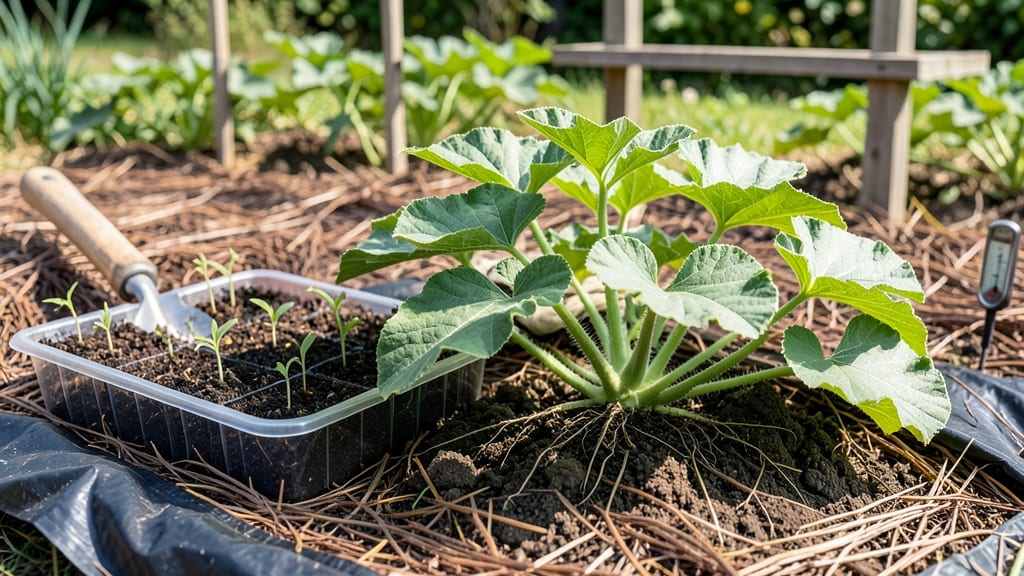
Planting cantaloupe in Zone 8b at the wrong time can turn your garden into a bitter disappointment instead of a sweet harvest.
The key to juicy, ripe 🍈 fruit lies in waiting for soil temperatures to hit 70°F or higher—typically 2-3 weeks after your last frost date—when the growing season finally kicks into high gear.
If you rush planting too early, frost can still sneak in and damage tender vines, while waiting too long risks stunted growth before summer’s heat sets in.
I’ve learned the hard way that timing isn’t just about dates—it’s about watching for those warm soil cues that tell you, “Yes, it’s finally safe to plant!”
In this guide, I’ll break down the exact planting window for Zone 8b, share soil temperature tricks to speed up success, and reveal spacing secrets that keep vines healthy and productive. Let’s make sure your cantaloupe thrives from seed to sweet, ripe harvest.
You’ll also discover how to extend the season with simple tools like mulch, pick the fastest-maturing varieties for your climate, and avoid the 3 biggest mistakes that kill yields before they even start. Ready to grow cantaloupes that taste like summer?
Optimal planting weeks before last frost in Zone 8b for cantaloupe success
Cantaloupe in Zone 8b demands precise timing—plant too early, and frost will kill tender vines; too late, and your harvest may never ripen.
The key is planting 2-3 weeks after your last frost date (typically mid-March to early April in most of Zone 8b) when soil temperatures consistently hit 70°F+. This warm soil jumpstarts growth, ensuring vines establish before summer heat peaks.
For Zone 8b, your last frost date usually falls around February 15, but actual planting shouldn’t start until March 1–15—when nighttime temps stay above 50°F.
Early varieties like ‘Hale’s Best’ (70-day maturity) can handle slightly cooler soils, but most cantaloupes need soil temps of 70°F+ for germination. Use a soil thermometer to confirm—cold soil delays sprouting and weakens seedlings.
Here’s your Zone 8b cantaloupe planting timeline broken down by variety and soil readiness:
Pro Tip: If your Zone 8b spring drags (like in Southern California), start seeds indoors 4–6 weeks before your target outdoor date (early February). Transplant seedlings when they’re 2–3 inches tall and soil hits 65°F+, using black plastic mulch to accelerate warming. This shaves critical weeks off the growing season.
Spacing is non-negotiable—cantaloupe vines spread 3–6 feet and need room to breathe. Plant seeds 1 inch deep, 2 feet apart in hills, with 5–6 feet between hills. Overcrowding leads to poor air circulation, inviting powdery mildew and fruit rot.
For container growing, use 5-gallon pots with one plant per container—just ensure they get full sun (6–8+ hours).
Watch for false starts: Even in Zone 8b, a late frost can sneak in. If nighttime temps dip below 50°F after planting, cover seedlings with row fabric until danger passes.
Remove covers by 10 AM to prevent overheating. Mulch heavily with straw to retain soil warmth and moisture—critical during Zone 8b’s dry springs.
Harvest timing hinges on maturity days and fall temps.
In Zone 8b, first frosts arrive November 15, so aim to harvest by early October for ripe fruit. Early varieties (70–80 days) like ‘Ambrosia’ are your safest bet—they’ll ripen before heat stress sets in. Late varieties (90+ days) risk bitter, underripe fruit if planted too early or overripe, seedy melons if left too long.
Signs your cantaloupe is ready: The stem slips easily when twisted, the rind dulls near the blossom end, and the fruit smells sweet at the stem. Ignore color alone—some varieties stay green until ripe! Store harvested melons in a cool, dry place (50–55°F) for 1–2 weeks to sweeten further.
🌱
How to extend the cantaloupe growing season in Zone 8b for larger harvests
Zone 8b’s mild winters and short growing season can challenge cantaloupe lovers, but with the right strategies, you can extend your harvest window and enjoy sweeter, larger fruit.
The key lies in warming the soil faster, protecting young plants, and choosing fast-maturing varieties that ripen before fall temperatures drop below 70°F.
Many gardeners in Zone 8b struggle with late-season heat stress or early frost damage, but these techniques will help you beat the clock and maximize your cantaloupe yields. From black plastic mulch to succession planting, I’ll share my top methods for a longer, more productive growing season.
🌱 5 Key Strategies to Extend Your Cantaloupe Season
- 1. Use black plastic mulch to warm soil 10-15°F faster and plant 2-3 weeks earlier.
- 2. Choose fast-maturing varieties like ‘Hale’s Best’ (70 days) or ‘Ambrosia’ (75 days) to ripen before fall.
- 3. Apply row covers for 3-4 weeks after transplanting to protect from late frosts and pests.
- 4. Mulch with straw to retain moisture and keep roots consistently warm.
- 5. Succession plant every 2 weeks from April to early June for staggered harvests.
One of my favorite tricks is using black plastic mulch—it not only warms the soil but also suppresses weeds, giving your cantaloupe vines a head start. I like to lay it down 2-3 weeks before planting to maximize soil temperature.
For even faster results, combine it with straw mulch on top to retain moisture and regulate temperature swings.
If you’re worried about late-season pests or unpredictable weather, row covers are a game-changer. I’ve used them for 3-4 weeks after transplanting in Zone 8b, and they’ve helped me delay planting by up to 2 weeks without risking frost damage.
Just remember to remove them during flowering to allow pollinators access—bees are essential for cantaloupe fruit set!
For gardeners with limited space, succession planting is a smart way to stretch your harvest. Instead of planting all your seeds at once, I recommend staggering plantings every 2 weeks from mid-April to early June.
This ensures a continuous supply of ripe cantaloupes from June through August, even in Zone 8b’s shorter growing window.
Finally, don’t overlook the power of soil preparation. Cantaloupes thrive in well-draining, fertile soil with a pH of 6.0–6.8. Before planting, I mix in compost and a balanced 5-10-10 fertilizer to give my vines the nutrients they need to produce larger, sweeter fruit.
A little extra care at the start pays off big time in the harvest!
With these strategies, you’ll extend your cantaloupe season and enjoy a bountiful harvest—even in Zone 8b’s challenging climate. Happy gardening! 🍈