
Plants
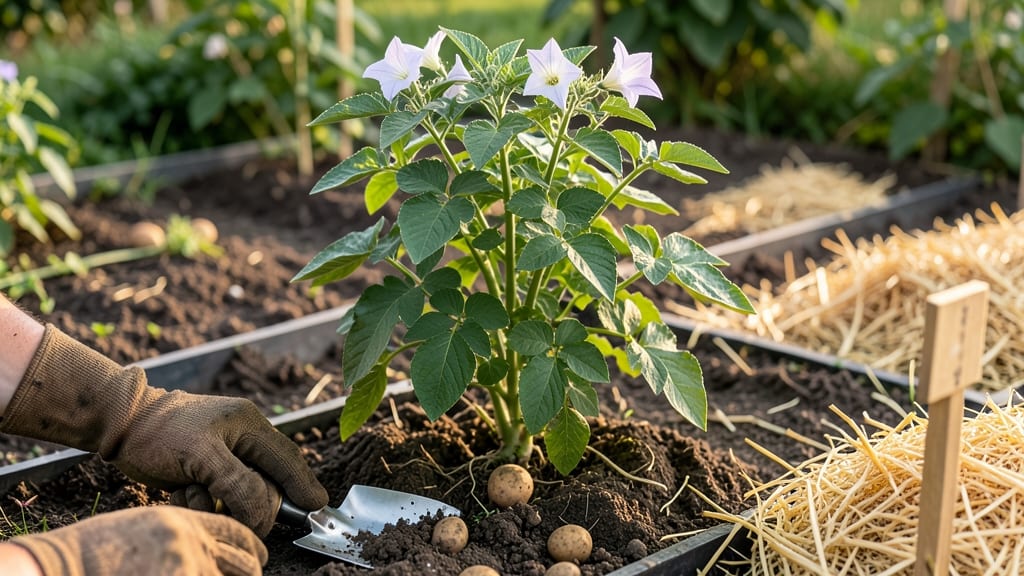
Planting fall potatoes in Louisiana isn’t just about timing—it’s about beating the clock before frost turns your 🥔 harvest into a soggy mess.
The key window opens in late September, when soil temps dip just enough to slow disease pressure while still allowing tubers to bulk up before December’s first frost.
Most gardeners in zones 8a-9b miss the sweet spot by planting too early or too late, leading to either stunted growth or rot. I’ve tested the exact 4-6 week window before frost that delivers crisp, flavorful potatoes—no guesswork, just science-backed dates tailored to Louisiana’s humid subtropical quirks.
Whether you’re growing Yukon Golds for mashed potatoes or Red Pontiacs for roasting, the right timing prevents common pitfalls like wireworms or uneven maturity. Let me walk you through the precise schedule, soil prep secrets, and how to adjust for Louisiana’s unpredictable fall weather.
Ready to dig in? You’ll leave here knowing exactly when to plant, how to protect your crop from late-season storms, and which varieties thrive in our heat—so you can enjoy homegrown spuds straight from your garden to the table.
Louisiana’s fall potato planting timeline: exact weeks before first frost by zone
Timing your fall potato planting in Louisiana depends on your USDA zone and average first frost date. Most gardeners in zones 7a-9a aim for harvests before December 1st, but exact weeks vary.
Plant too early, and your tubers may sprout and rot in humid soil. Too late, and frost ruins your crop before maturity.
For sweet potatoes, the window narrows further—these heat-loving tubers need 100-120 frost-free days to mature. In contrast, russet varieties tolerate cooler temps and can stretch harvests slightly later.
My go-to rule: Plant 4-6 weeks before your first frost date for most varieties, adjusting for your zone’s humidity and soil warmth.
Here’s the breakdown by zone, including ideal transplant dates, harvest windows, and frost risk buffers to maximize your yield. Use this as your fall potato planting calendar—no more guesswork!
How to adjust planting dates for Louisiana’s unpredictable fall weather
Louisiana’s fall weather is as fickle as a hurricane’s path—one day scorching, the next drenching from tropical storms. These unpredictable conditions can throw off your potato planting schedule, but with a few adjustments, you can still harvest crisp, flavorful tubers before frost.
The key is monitoring soil temperature, rainfall patterns, and hurricane risks to fine-tune your timing. Let’s break down how to stay ahead of Mother Nature’s mood swings.
Start by checking your local frost dates—Louisiana’s first frost typically arrives between November 15 and December 15, but coastal areas (like Zone 9a) may escape frost entirely. For inland areas (Zones 7b-8a), aim to plant 4-6 weeks before frost to ensure tubers mature before cold sets in.
If your fall is unusually warm, you might push planting into early October, but be ready to adjust if storms roll in.
⚠️ callout warning ⚠️
Louisiana’s fall hurricane season (June-November) can drown your potatoes or delay planting. If a storm is forecasted within 7 days of your planned planting, delay by 2-3 weeks to avoid waterlogged soil. Use a soil thermometer—potatoes need soil temps above 50°F (10°C) to sprout consistently. If temps drop below 45°F (7°C), wait until conditions stabilize.
💡 Pro Tip: Plant in raised beds or mounds to improve drainage during heavy rains.
Use black plastic mulch to warm the soil faster and extend your planting window. Lay the mulch 2-3 weeks before planting to create a microclimate that’s 5-10°F warmer than surrounding soil.
This trick works especially well for late-September plantings in cooler inland areas. Just remember to remove the mulch 4-6 weeks before harvest to avoid bitter-tasting tubers.
If hurricane risks or excessive rainfall threaten your garden, consider using row covers to protect young plants. Lightweight fabric allows sunlight and water through while shielding tender shoots from wind damage.
For established plants, focus on drainage improvements—amend heavy clay soil with compost or sand to prevent rot during downpours.
Don’t forget to harvest strategically if frost looms. Start digging 2-3 weeks before the first frost date by gently lifting plants to check tuber size. Cure harvested potatoes in a cool, dark, well-ventilated space (60-65°F) for 1-2 weeks to toughen skins and prevent spoilage.
This step is critical in Louisiana’s damp climate, where stored potatoes can succumb to rot if not properly cured.
By staying flexible and using these weather-adaptive strategies, you’ll turn Louisiana’s unpredictable fall into your potato patch’s advantage. Keep an eye on forecasts, adjust your schedule, and soon you’ll be feasting on homegrown spuds—no matter what the weather throws your way. 🌱