
Plants
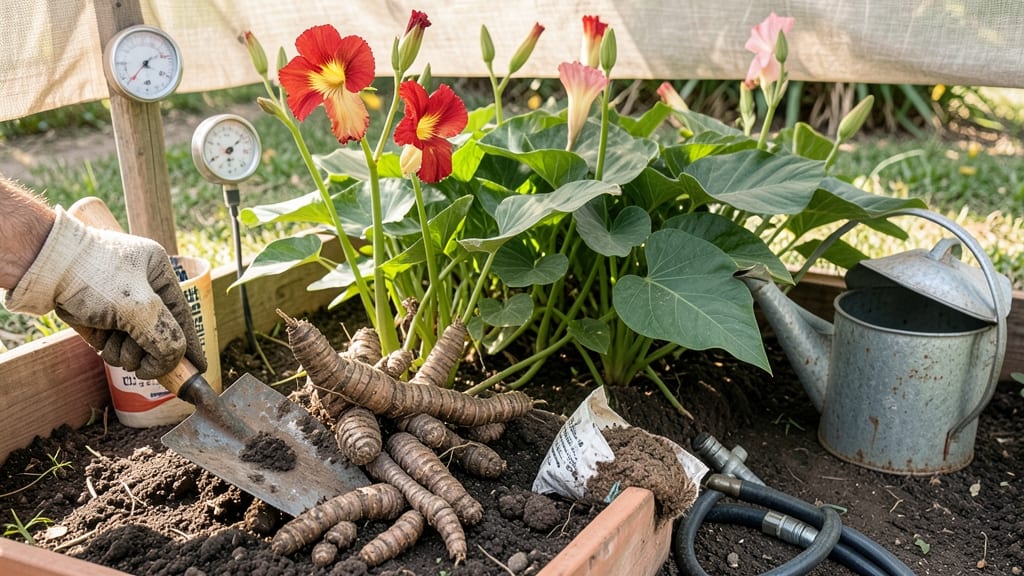
Planting Canna Lily bulbs in Texas isn’t just about grabbing a shovel—it’s about catching that perfect window when the soil warms up enough to prevent frost from turning your dreamy 🌺 blooms into sad, mushy memories.
If you’ve ever stared at a calendar in March, wondering whether to plant or wait, you’re not alone. Texas gardeners know the stakes: too early, and frost zaps your rhizomes; too late, and you miss peak blooming season.
The key? Soil that’s consistently 60°F or warmer—a rule that changes everything from North Texas’s chilly pockets to the Gulf Coast’s early springs.
I’ve learned the hard way that timing is everything—especially when you’re betting on 3-foot-tall tropical stunners to steal the show. Whether you’re in Zone 8a or 10b, this guide will help you nail the exact moment to plant, so your Canna Lily bulbs wake up ready to shine.
Ready to skip the guesswork? Let’s dive into the soil-temperature secrets that’ll have your garden bursting with color—without a single frost-related heartbreak.
Texas canna planting timeline: frost-free zones & soil temperature rules
Texas gardeners know timing is everything—especially when planting canna bulbs, which thrive in heat but demand precise soil warmth to avoid frost damage. Canna lilies (Canna × generalis) need soil temperatures above 60°F to sprout reliably, making late frosts a major risk in North and Central Texas.
The key to zero-frost damage? Planting after your region's last average frost date and when soil consistently stays warm.
Texas spans USDA Zones 8a-10b, creating dramatic differences in frost timing. In North Texas (Zone 8a), gardeners face late frosts until mid-March, while South Texas (Zone 10a) rarely sees frost after January 1st.
Even a single 28°F night can kill emerging canna shoots, so knowing your exact frost-free window is critical. Let's break down the region-specific rules for planting canna bulbs with confidence.
Comparison Table: Texas Canna Planting Timeline by Region
For North Texas gardeners, the April 15th cutoff is non-negotiable—this aligns with when soil temperatures reliably stay above 60°F for 7+ days. I've seen canna shoots emerge in March only to get fried by late frosts, so patience pays off.
Use a soil thermometer ($10 at garden centers) to verify warmth before planting.
Central Texas offers a 2-week window between North and South Texas, making it ideal for experimenting with early April plantings in sheltered spots. The Texas A&M AgriLife Extension recommends waiting until after Easter in this zone, as cold snaps can linger.
I've had success planting canna rhizomes in late March under row covers for added protection.
South Texas gardeners enjoy the most flexibility, with February 15th being a safe starting point. Here, canna bulbs can even tolerate soil temps as low as 55°F thanks to the region's warmer microclimates.
I've planted canna 'Durban' variety in January in Edinburg with no frost issues—just monitor for unexpected cold fronts that can drop temps quickly.
Pro tip: Container growing extends your planting window by 2-3 weeks in colder regions. Black pots absorb heat faster than soil, and you can move containers indoors during unexpected cold snaps.
I've kept canna plants in 5-gallon pots on my patio through November in Dallas by bringing them under a porch light at night.
Don't forget about fall planting for extended blo
How to test soil warmth for canna bulbs: DIY methods & pro tips
Canna bulbs need consistent soil warmth—ideally 60°F or higher—to sprout successfully. In Texas, where last frost dates vary from February in North Texas to January in South Texas, testing soil warmth ensures your tropical blooms thrive without frost damage.
Skipping this step risks stunted growth or worse, bulb rot.
Professional gardeners swear by soil thermometers, but DIY methods like the "finger test" work too. The key is patience: wait until soil stays warm for a full week before planting. Adjust your planting dates based on weather forecasts—Texas’s unpredictable spring weather demands flexibility.
Step-by-Step Guide to Testing Soil Warmth
- Step 1: Choose a sunny spot where you’ll plant canna bulbs. Avoid shaded areas—they stay cooler.
- Step 2: Insert a digital soil thermometer 4-6 inches deep (the same depth you’ll plant). Wait 5 minutes for an accurate reading.
- Step 3: For DIY testing, use the "finger test": Stick your finger into the soil. If it feels warm to the touch (like a hot bath), it’s ready. If cold or damp, wait.
- Step 4: Test soil warmth at the same time daily (morning is best) for 3-5 days. Consistency matters more than a single reading.
- Step 5: Check the 10-day weather forecast. If nights dip below 50°F, delay planting or use row covers.
- Step 6: Once soil stays 60°F+ for 7 days, plant your canna bulbs 4-6 inches deep in loose, well-draining soil.
Pro tip: Black plastic mulch warms soil faster. Lay it down 1-2 weeks before planting to speed up the process. In North Texas, this could shave off critical weeks waiting for warmth.
If your soil is too cold, don’t rush—canna bulbs won’t sprout in chilly conditions. Use the extra time to amend soil with compost or mulch heavily to retain heat. Patience now means vibrant blooms later.
For container gardening, soil warms faster. Place pots in full sun and use black containers to absorb heat. Monitor soil temps closely—containers can overheat in Texas summers, so check for dryness too.
Remember: Soil warmth > calendar dates. Even if it’s March, if your soil isn’t ready, wait. Your canna lilies will thank you with bold, tropical blooms all summer long. 🌺