
Plants
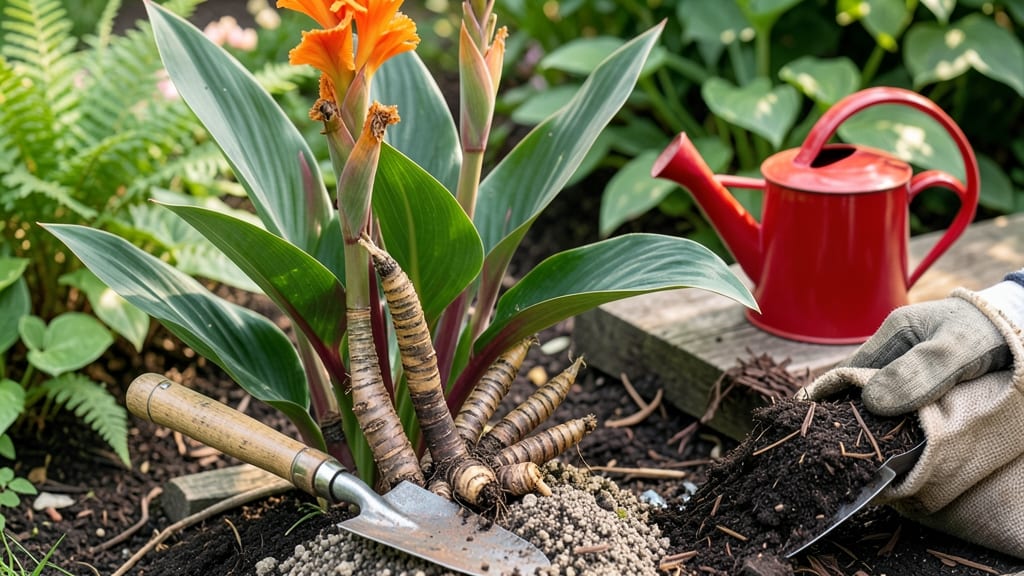
Timing when to plant canna bulbs in Wisconsin can make or break those showstopping summer blooms you’ve been dreaming of. Plant too early, and frost will nip your progress in the bud—literally.
Too late, and you’ll miss out on months of vibrant foliage and dramatic flowers that thrive in Zones 5a-6b.
Most gardeners wait until after the last frost date—typically mid-May—but your exact timing depends on your microclimate. Southern Wisconsin’s warmer pockets might be ready by early May, while northern regions should hold off until late May or early June when soil temperatures hit 50-60°F.
Here’s the game-changer: soil temperature matters more than calendar dates. Use a soil thermometer to confirm it’s warm enough before planting those bulbs 4-6 inches deep. This simple step ensures your Canna Lily 🌺 establishes strong roots and bursts into growth just as summer kicks in.
Once you’ve got the timing right, I’ll show you how to keep those blooms going strong through Wisconsin’s short growing season—no frost damage, no wasted effort. Let’s set you up for a bold, thriving display from June through October.
Wisconsin microclimate zones: when to plant canna bulbs by region
Wisconsin’s diverse geography creates distinct microclimate zones that dramatically impact when you can safely plant canna bulbs. Southern Wisconsin’s longer growing season allows earlier planting, while Northern regions face shorter windows and earlier frosts.
Understanding your zone’s last-frost dates and soil temperature thresholds (ideal: 50-60°F) ensures your cannas thrive from summer through fall.
The key to successful canna planting lies in matching your actions to your region’s climate patterns. In Southern Wisconsin, gardeners often plant as early as mid-May, while Northern Wisconsin gardeners typically wait until late May to early June.
Central Wisconsin falls somewhere in between, with planting windows spanning late May to mid-June. Each region also has unique soil warming patterns that affect bulb establishment.
Here’s the critical information you need to time your canna planting perfectly in Wisconsin:
| Region | USDA Zone | Last Frost Date | Optimal Planting Window | Soil Temp Threshold | Key Consideration |
|---|---|---|---|---|---|
| Southern Wisconsin | Zone 5b-6a | Mid-May (around May 10-15) | Mid-May to early June | 50-60°F (soil warms faster) | Longer growing season; watch for late frosts |
| Central Wisconsin | Zone 4b-5a | Late May (around May 25-30) | Late May to mid-June | 55-60°F (slower soil warming) | Variable frost dates; use row covers if needed |
| Northern Wisconsin | Zone 3b-4a | Early June (around June 1-10) | Late May to early June | 60°F+ (soil stays cold longer) | Shortest season; consider containers for flexibility |
For Southern Wisconsin gardeners, the window opens wide enough to plant canna bulbs as early as mid-May, but always verify your local last-frost date. Cities like Madison and Milwaukee typically see their final frost around May 10-15, giving you a head start.
The key is ensuring soil temperatures reach at least 50°F—use a soil thermometer if unsure. In this region, you can often enjoy 120+ frost-free days, perfect for cannas that thrive in full sun and moist soil.
Central Wisconsin presents a more challenging balance. With Zone 4b-5a conditions, your last frost often arrives late May, but soil warming can lag behind. Aim to plant between May 25 and June 10, prioritizing areas with south-facing exposure where soil warms faster.
If you’re in doubt, wait until soil temperatures consistently hit 55°F—canna bulbs won’t establish well in cooler soils. This region benefits from black plastic mulch to accelerate soil warming.
Northern Wisconsin gardeners face the toughest timing challenge. With Zone 3b-4a conditions, your last frost often lingers until early June, and soil temperatures may not reach 60°F until late May or early June. Planting too early risks frost damage to tender new shoots.
Instead, focus on late May to early June plantings, and consider using container gardening for added flexibility. Containers warm up faster and can be moved to sheltered spots if frost threatens.
Regardless of your Wisconsin region, always plant canna bulbs 4-6 inches deep and 12-18 inches apart in well-draining soil amended with compost. In colder regions, add a 2-3 inch layer of mulch after planting to insulate bulbs and retain moisture.
This simple step can extend your bloom season by 2-3 weeks in marginal zones. Monitor your plants closely for signs of new growth, which typically appears within 2-3 weeks of planting in optimal conditions.
One common mistake Wisconsin gardeners make is planting cannas too early in hopes of a longer bloom season. While cannas are heat-loving plants, they won’t tolerate frost at any growth stage.
If you’re eager to start, consider potting up bulbs indoors in late April and transplanting after your last frost date. This trick gives you a 2-week head start on garden-planted cannas. Just ensure pots have drainage holes and use a lightweight potting mix to prevent rot.
To maximize your canna blooms, pair proper planting timing with regular fertilization and consistent watering. Once established, cannas are relatively low-maintenance, but they reward attentive gardeners with bold foliage and vibrant flowers from July through October.
In Southern Wisconsin, you might even see second flushes of blooms if you deadhead spent flowers regularly. In Northern regions, focus on protecting your plants from early fall frosts by harvesting tubers before the first frost or overwintering them indoors.
Remember, Wisconsin’s microclimates aren’t just about latitude—they’re shaped by local topography, lake effects, and urban heat islands. If you’re near a large body of water, expect slightly cooler soil temperatures that may delay planting by 1-2 weeks. Conversely, urban
Wisconsin microclimate zones: when to plant canna bulbs by region
Wisconsin’s diverse climate means your canna bulb planting window can vary by 500 miles—from Southern Wisconsin’s Zone 6b to Northern Wisconsin’s Zone 5a.
Southern regions like Milwaukee and Madison typically see last frost dates around May 1-15, while Green Bay and Eau Claire may wait until May 15-30. Always wait until soil temperatures hit 50-60°F for optimal root growth.
Northern Wisconsin gardeners face the biggest challenge—shorter growing seasons and earlier fall frosts. In Zone 5a, like Minocqua or Hayward, plant canna bulbs no later than June 15 to ensure 90+ days of growth before frost.
Southern Wisconsin has more flexibility, with July 1 as a safe cutoff for late-season blooms.
| Region | USDA Zone | Last Frost Date | Ideal Planting Window | Soil Temp Threshold |
|---|---|---|---|---|
| Southern WI (Milwaukee, Madison) | 6a-6b | May 1-15 | May 15 - June 15 | 50-60°F |
| Central WI (Wisconsin Dells, Stevens Point) | 5b-6a | May 10-25 | May 25 - June 20 | 50-60°F |
| Northern WI (Green Bay, Eau Claire) | 5a-5b | May 15-30 | June 1 - June 15 | 55-65°F |
For container gardeners, you gain flexibility—move pots indoors before frost or use black plastic mulch to warm soil 5-10°F faster. In Zone 5a, consider cold-hardening bulbs by exposing them to 40°F nights for 2 weeks before planting to boost resilience.
Pro tip: Use Wisconsin State Climatology Office frost maps to track real-time updates. For Southern Wisconsin, aim for June 1 planting to maximize 120-day bloom cycles, while Northern gardeners should prioritize early-maturing varieties like 'Striped' or 'Red Hot'.
Always test your soil drainage—cannas hate soggy roots. Amend heavy clay with compost or sand to prevent root rot, especially in low-lying areas where water pools. A simple percolation test (pouring water on soil and measuring drainage time) saves headaches later.
Remember: Canna bulbs are not winter-hardy in Wisconsin. Dig up tubers before first frost (usually October 1 in Southern WI, September 15 in Northern WI) and store them in dry peat moss at 40-50°F until next spring.