
Plants
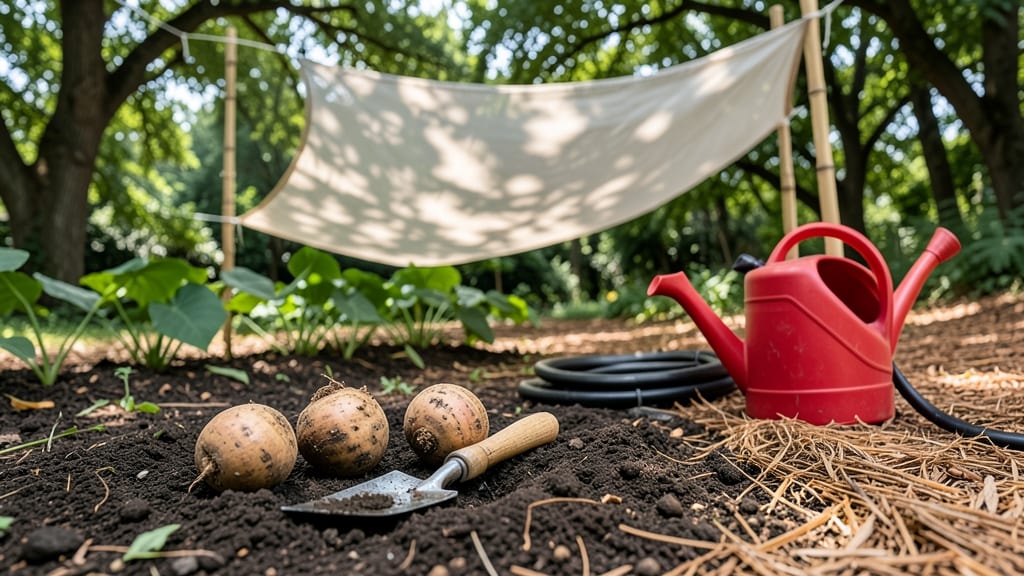
Planting caladium bulbs in Houston at the wrong time means watching your stunning 🌿 foliage wilt before it even gets a chance to shine—so timing is everything in our humid, heat-pricked climate.
Most gardeners assume "spring planting" means dropping bulbs in the ground as soon as the air warms up, but Houston’s 9a zone demands patience.
The key isn’t just avoiding frost (though that’s critical)—it’s waiting for soil temperatures to hit 60°F and nighttime lows to stay above 60°F, usually late March to early April.
Why does this matter? Because caladiums are tropical divas—they hate cold snaps and love consistent warmth. Plant too early, and your bulbs will rot in soggy soil; too late, and you’ll miss the 3-month window for vibrant foliage before summer’s brutal heat sets in.
Here’s the game-changer: I’ll break down the exact planting timeline for Houston, plus pro tips to keep your caladiums thriving through our sticky summers—no guesswork, just show-stopping results.
Houston’s ideal caladium planting window: month-by-month heat Zone 9a guide
Houston’s humid subtropical climate (Zone 9a) creates a unique challenge for growing caladium bulbs. Unlike cooler regions, timing isn’t just about frost dates—it’s about avoiding heat stress and fungal outbreaks that thrive in Houston’s sticky air.
The key? Plant when soil warms to 60°F+ and nighttime temps stay above 60°F consistently. This window ensures your caladiums burst into color without wilting under Houston’s relentless sun.
Most gardeners rush to plant as soon as spring arrives, but caladium bulbs need patience. Rushing too early risks rot from cold soil, while waiting too long means missing peak foliage vibrancy.
My strategy? Start with pre-soaking bulbs in February, then transplant after Houston’s average last frost (March 15). This two-step approach maximizes root establishment before summer’s brutal heat hits.
🌱
| Planting Stage | Recommended Months | Soil Temp (°F) | Key Considerations |
|---|---|---|---|
| Pre-Soaking Bulbs | February–March | 60–65 | Boosts root growth before transplanting |
| Outdoor Planting | April–May (after last frost) | 65–75 | Wait until night temps stay above 60°F |
| Container Planting | March–June | 60+ | Flexible for patios/balconies |
| Post-Planting Care | May–July | 75–90 | Mulch to retain moisture |
Let’s break down the month-by-month timeline for Houston’s Zone 9a. February is your prep month: soak bulbs in warm water for 4–6 hours to jumpstart roots. This is especially critical in Houston’s clay-heavy soil, which can suffocate emerging roots.
I like to add a perlite-compost mix to my soaking water to mimic well-draining conditions.
By March, focus shifts to container planting if you’re using pots. Containers warm faster than ground soil, giving you a head start. Place them in partial shade (like under a 60% shade cloth) to protect tender foliage from Houston’s scorching afternoon sun.
Pro tip: Use black plastic pots—they absorb heat and extend your growing season by 2–3 weeks.
April is prime time for outdoor planting. Houston’s last frost average is March 15, but I wait until mid-April to ensure nighttime temps stay above 60°F. Plant bulbs 2 inches deep in well-amended soil (half native soil, half compost).
Space them 12 inches apart to allow airflow—critical for preventing foliar diseases like anthracnose, which thrives in Houston’s humidity.
Once planted, May–July becomes about heat management. Houston’s summer heat can cause leaf scorch in just hours. My solution? Apply a 2-inch mulch layer of pine bark fines to retain moisture and cool roots.
Water deeply in the morning (before 10 AM) to avoid evening fungal growth. For container-grown caladiums, move them to shadier spots during peak heat (like under a porch awning).
One common mistake Houston gardeners make? Overwatering in hopes of keeping caladiums cool. Too much moisture leads to root rot—a silent killer in our climate. Instead, aim for consistently moist (not soggy) soil.
Stick your finger 1 inch deep; if it’s dry, water. If it’s damp, wait. This balance is key to vibrant foliage without fungal issues.
For extended color, I’ve found that replanting bulbs in late summer (August) gives a second flush of growth before Houston’s first frost (December 5 average). Dig up bulbs in October, store them in dry peat moss at 60°F, then replant in February.
This trick keeps your garden bursting with color year-round.
🌿
Remember, Houston’s microclimates vary wildly. If you
5 Critical factors that determine Houston’s perfect caladium planting time
Houston’s heat index and humidity spikes create a unique challenge for caladium growers. Unlike cooler climates, timing isn’t just about frost dates—it’s about avoiding 90°F+ heat stress that can kill bulbs before they even sprout.
I’ve planted caladiums for years in Houston’s Zone 9a, and the difference between a thriving display and a failed attempt often comes down to these five critical factors.
First, most gardeners focus on air temperature, but soil temperature is what truly matters. Caladium bulbs need soil to stay above 60°F for consistent growth.
In Houston, this typically means waiting until late March to early April, when daytime highs hit 75–80°F but nighttime lows remain above 60°F. Planting too early in cooler soil leads to rot-prone conditions, while waiting too long risks summer’s intense heat.
Heat Index Thresholds
Plant when daily highs stay below 85°F (typically April–early May). Heat stress above 90°F stunts bulb development and causes leaf scorch.
Humidity Management
Houston’s 70%+ humidity accelerates fungal risks like leaf spot. Use raised beds or containers with drainage to prevent soggy conditions.
Soil Moisture Retention
Amend Houston’s clay-heavy soil with compost or perlite to prevent bulbs from drying out during erratic spring rains or heatwaves.
Frost-Free Guarantee
Wait until all frost risk has passed (Houston’s average last frost: March 15). A single cold snap can kill emerging shoots.
Sunlight Exposure
Provide partial shade (4–6 hours sun) to prevent leaf scorch. Houston’s afternoon sun is particularly harsh for caladiums.
Your yard’s microclimate plays a huge role in success. For example, areas near concrete driveways or paved surfaces heat up faster and may need earlier planting. Conversely, shadier spots under oak trees stay cooler longer and can handle later transplants.
I always test soil temperature with a soil thermometer—if it’s below 60°F, wait a week or two.
Another Houston-specific challenge is fungal pressure. The combination of high humidity and warm nights creates perfect conditions for botrytis blight and anthracnose. To combat this, I recommend pre-treating bulbs with a neem oil soak before planting and avoiding overhead watering.
Mulching with pine straw also helps by keeping foliage dry and reducing spore spread.
Finally, don’t overlook the importance of container planting for Houston’s unpredictable weather. Containers warm up faster in spring and can be moved to shadier spots during summer’s peak heat.
I’ve had the most success with 10–12 inch pots filled with a mix of peat moss, perlite, and compost—this gives bulbs the drainage they need while retaining enough moisture for Houston’s dry spells.
By paying attention to these five factors, you’ll give your caladiums the best chance to thrive in Houston’s challenging climate. The payoff? Stunning tropical foliage that outshines any summer display—without the guesswork. 🌿