
Plants
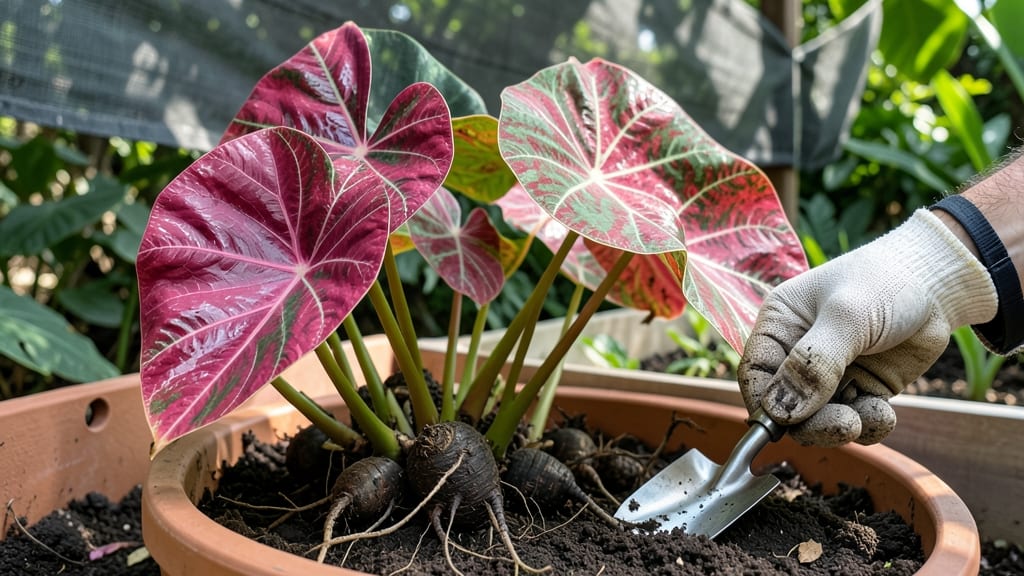
Planting caladium bulbs at the wrong time in Alabama can turn your dream of lush, tropical foliage into a sad, wilted mess—especially when humidity and heat play such a big role.
If you're in USDA Zone 7b-8b, timing matters more than you might think. The key is waiting until after your last frost—typically around mid-March—when soil temperatures hit that sweet spot of 60°F or warmer. This ensures your 🌿 caladium tubers wake up from dormancy without risking frost damage.
Why wait? Because rushing it can lead to stunted growth or even rot in Alabama’s unpredictable spring weather. I’ll walk you through the exact window—late March to early April—for planting these stunning shade-lovers, plus how to prep your soil and care for them once they’re in the ground.
Skip the guesswork and learn how to give your caladiums the perfect start for vibrant, show-stopping foliage all summer long.
Best planting timeline for caladium bulbs in Alabama’s heat zone 8a
Alabama’s Heat Zone 8a climate offers the perfect tropical conditions for caladium bulbs, but getting the timing right is everything. These stunning foliage plants need warm soil and consistent moisture to thrive, making late winter to early spring the ideal window.
Planting too early risks frost damage, while waiting too long can stunt growth before summer’s peak heat arrives.
Northern Alabama gardens (like Huntsville) experience slightly cooler spring temperatures, while southern regions (like Mobile) can plant earlier. The key is waiting for soil temperatures to reach 60°F or higher—a critical trigger for tuber sprouting.
Use a soil thermometer to avoid guesswork, especially in Alabama’s unpredictable spring weather.
Here’s your month-by-month planting guide tailored to Alabama’s microclimates, including frost-free dates and soil temperature benchmarks to ensure vibrant foliage all season long.
| Month | Northern AL (Cooler) | Southern AL (Warmer) | Soil Temp | Key Action |
|---|---|---|---|---|
| February | Prep soil | Prep soil | 50-55°F | Amend beds with compost; protect tubers indoors if needed |
| March | Late March (after frost) | Early March | 60°F+ | Plant tubers 4-6" deep; mulch heavily |
| April | Full growth | Full growth | 65°F+ | Fertilize lightly; monitor for pests |
| May-June | Peak foliage | Peak foliage | 70°F+ | Water deeply 2-3x/week; mulch |
| July-August | Slow growth | Slow growth | 80°F+ | Reduce water; provide afternoon shade |
| September | Prep for dormancy | Prep for dormancy | 70°F+ | Cut back foliage; dig tubers if frost risk |
For northern Alabama, aim to plant by mid-April to avoid late spring frosts that can blacken emerging shoots.
In southern Alabama, you can start as early as early March once soil temperatures stabilize above 60°F. Use a soil thermometer for accuracy—caladium tubers won’t sprout until the ground warms consistently.
Pro tip: If your garden soil stays cool longer, try container planting with black pots to absorb heat faster. Place containers near a south-facing wall or under a cloche to accelerate warming. This trick works especially well for Huntsville gardeners with slower spring soil warming.
After planting, maintain consistent moisture—caladiums hate drying out. Mulch with 2-3 inches of shredded bark to retain humidity and prevent soil temperature swings. In Alabama’s high humidity, this also reduces fungal risks like leaf spot, a common issue for beginners.
Watch for first frost warnings in October. In northern Alabama, dig up tubers by mid-October and store them in dry peat moss at 60°F. Southern gardeners can wait until November 1st before harvesting. Never let tubers freeze—they’ll rot instead of storing for next year’s display.
Timing your caladium planting isn’t just about the calendar—it’s about soil temperature, microclimate, and humidity balance. By following this Alabama-specific schedule, you’ll enjoy lush, tropical foliage from late spring through summer’s end, with minimal fuss.
Remember: Patience pays off. Rushing planting in cool soil leads to stunted growth, while waiting too long means missing the peak summer color these plants are famous for. Mark your calendar for March 15th (last frost date) and adjust based on your local soil’s warming pace.
How to prepare Alabama soil and conditions for caladium success
Alabama’s clay-heavy soils and high humidity can make or break your caladium plants. These tropical beauties need the right conditions to thrive, starting with soil that drains well but retains moisture.
I’ve learned the hard way—skipping soil prep leads to soggy roots and faded foliage. Let’s fix that with science-backed amendments and care tailored to our state’s unique climate.
First, test your soil’s drainage and pH. Caladiums prefer slightly acidic soil (6.0-6.5 pH) and rich organic matter. Alabama’s native clay compacts easily, so we’ll need to lighten it.
I recommend mixing in 3-4 inches of compost or well-rotted manure into the top 12 inches of soil. This improves aeration while holding moisture without waterlogging.
⚠️ CALL OUT WARNING** ⚠️
Alabama’s last frost date varies by region—March 15 in northern areas to April 1 in southern zones. Planting caladium tubers before soil reaches 60°F triggers rot. I’ve seen gardeners rush planting in late February only to watch their tubers turn mushy. Wait for consistent daytime temps above 65°F—typically mid-April—before planting. For containers, you can start 2-3 weeks earlier in protected spots.
🌱 Pro Tip: Use a soil thermometer to confirm 60°F+ soil temps at 4-inch depth before planting.
Next, focus on sunlight placement. Caladiums love bright, indirect light—think morning sun with afternoon shade. In Alabama’s intense summer heat, direct afternoon rays will scorch those stunning leaves.
I plant mine under high-canopy trees or on the east side of my house where they get 3-4 hours of morning light but escape the harsh 11 AM-3 PM sun.
For moisture control, mulch is your best friend. Apply 2-3 inches of organic mulch (like pine straw or shredded leaves) around your caladiums to lock in moisture and regulate soil temperature.
Alabama’s humidity means we don’t need to water as often as drier climates, but we must prevent water pooling. I water deeply every 5-7 days in spring, increasing to every 3-4 days in summer, always in the early morning to reduce fungal risks.
One final trick: If your soil still drains poorly after amending, create raised beds or container gardens. I’ve had amazing success with caladiums in fabric-lined pots filled with a mix of peat moss, perlite, and compost.
This gives you complete control over drainage while keeping roots cool in Alabama’s heat. Just ensure pots have drainage holes—no exceptions!
With these soil and condition tweaks, your caladiums will reward you with bold, vibrant foliage all summer long. Remember: Alabama’s heat and humidity are actually perfect for these tropical plants—we just need to give them the right start. Happy planting! 🌿