
Plants
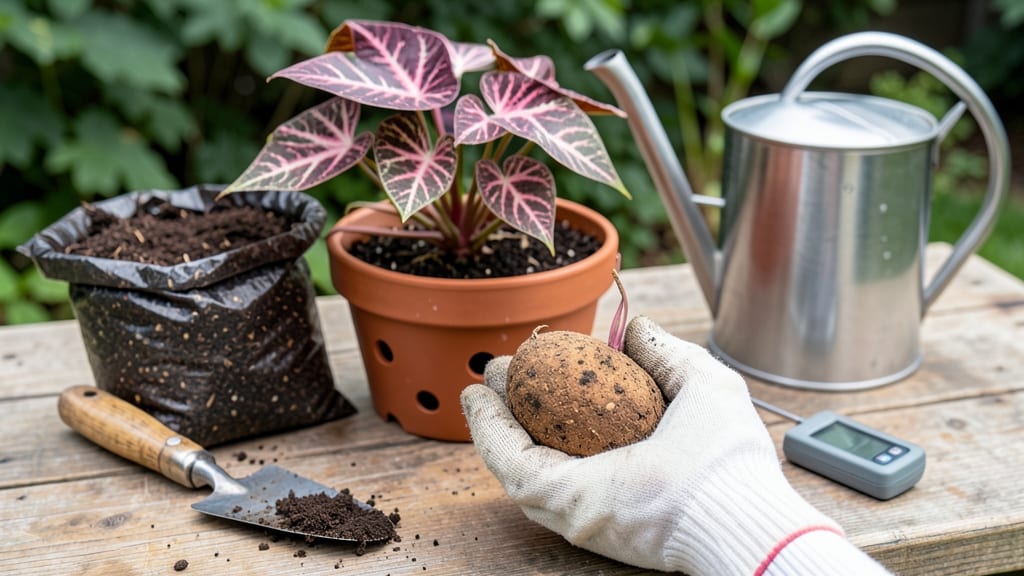
Timing your caladium bulb planting in Zone 7 is the key to unlocking those show-stopping, heart-shaped leaves you’ve been dreaming of. Plant too soon, and frost will nip your progress in the bud—literally. Too late, and your 🌿 caladium might never reach its full vibrant potential.
Most gardeners in Zone 7 wait until the soil warms to at least 65°F, usually after the last frost date (around late April to early May). This ensures your bulbs get the cozy start they need without risking damage from lingering cold snaps.
But here’s the thing: caladiums aren’t just about timing—they’re about strategy. Whether you’re treating them as annuals or tender perennials, the right approach can mean the difference between a few weeks of foliage and months of lush, colorful displays.
Ready to dive in? I’ll walk you through the exact steps—from soil prep to post-planting care—to keep your caladiums thriving all season long. Let’s get those bulbs in the ground the right way!
Optimal planting timeline for caladium bulbs in Zone 7 based on soil temperature
Timing your caladium bulb planting in Zone 7 hinges on one critical factor: soil temperature. These tropical beauties refuse to sprout until the ground warms to a steady 65°F—any earlier, and you risk frost damage or slow, stunted growth.
In Zone 7, that typically lands in late April to early May, but don’t rely on dates alone.
Zone 7’s last frost date usually falls around April 15, but caladiums need more than frost-free air—they demand consistently warm soil. A soil thermometer is your best friend here; test temperatures at 4-inch depth (where bulbs will sit) for 3 consecutive days above 65°F before planting.
If you’re eager to start early, consider container gardening—potted caladiums warm up faster in morning sun and can go in the ground later. This flexibility lets you begin as early as mid-April if nights stay above 50°F consistently.
Just be prepared to protect pots with frost cloth if cold snaps sneak in.
Here’s the golden rule: Wait until after your last frost AND when soil hits 65°F. Rushing it means weak stems and pale foliage, while waiting too long delays those showstopping leaves you planted for.
| Stage | Action | Zone 7 Timeline |
|---|---|---|
| Soil Prep | Amend soil with compost; ensure drainage | March-April |
| Soil Test | Check 4" depth for 65°F+ for 3 days | Late April-Early May |
| Planting | Bulbs 4-6" deep, 6" apart | After May 1 (adjust for frost) |
| Fertilizing | Light feed at planting; full feed in June | May-June |
| Peak Growth | Water consistently; mulch to retain moisture | June-September |
Pro tip: Use mulch immediately after planting to retain soil heat. A 2-inch layer of straw or shredded leaves keeps roots warm and suppresses weeds—critical in Zone 7’s humid summers. I’ve found that mulched beds stay 5-10°F warmer than bare soil, accelerating growth.
For container growers, black pots absorb heat faster than traditional colors. Place them on patio stones or elevated beds to maximize warmth. If your containers sit on grass or soil, they’ll struggle to maintain the 65°F threshold needed for sprouting.
Remember: Caladiums are tender perennials in Zone 7—they’ll die back in winter but can be digged and stored for next year. If you plant too late (after June 1), you’ll miss their full foliage potential before fall’s first frost hits around October 15.
Zone 7 gardeners often ask: “Can I plant caladiums in summer?” The short answer? Yes, but expect slower growth. Summer heat can stress bulbs, leading to leaf scorch. If you must plant late, choose partial shade spots and water deeply twice weekly to help them establish.
Mark your calendar for October 15—that’s when you’ll need to dig up tubers before the first frost. Cure them in a dry, dark place for 2 weeks before storing in pearlite or vermiculite at 60-65°F for next spring’s showstopping display.
Optimal planting timeline for caladium bulbs in Zone 7 based on soil temperature
In Zone 7, caladium bulbs thrive when planted after the soil warms to at least 65°F. This typically aligns with late April to early May, well past the average last frost date of April 15.
Planting too soon risks frost damage to your tender tubers, while waiting too long may delay the vibrant foliage you love.
Caladiums are tender perennials that act as annuals in Zone 7—they won’t survive winter outdoors. Your goal is to plant them early enough for a full-season display but avoid exposing them to cold snaps.
The 65°F soil threshold is critical because cooler temperatures slow root growth and can lead to rot.
🌱 Key Planting Window: Aim for late April to early May in Zone 7. Use a soil thermometer to confirm warmth—plant only when readings consistently hit 65°F+ at a 4-inch depth. This timing ensures your caladiums have 10-12 weeks of growth before fall’s first frost (October 15).
| Stage | Action | Zone 7 Timing |
|---|---|---|
| Soil Prep | Amend soil with compost; ensure drainage | March-April |
| Soil Test | Check soil temp at 4" depth (use thermometer) | Late April |
| Planting | Plant bulbs 4-6" deep in partial shade | Early May (after 65°F soil) |
| Fertilizing | Apply balanced 10-10-10 fertilizer | Late May-June |
| Harvest Tubers | Dig up bulbs after foliage dies back | October-November |
For container-grown caladiums, you can plant slightly earlier (mid-April) since pots warm faster. However, move containers indoors if nighttime temps drop below 50°F. In-ground plantings must stay outdoors until soil temperatures stabilize—never plant before May 1 in most of Zone 7 to avoid frost risk.
Pro tip: Use black plastic mulch to warm soil faster if you’re eager to plant early. Lay it down 2-3 weeks before your target date to accelerate soil temperature rise. Just remove it once bulbs are planted to prevent overheating.
Remember, caladiums are all about foliage drama, not blooms. Planting at the right time ensures your heart-shaped leaves emerge lush and colorful, ready to steal the show in shady garden spots all summer long. 🌿