
Plants
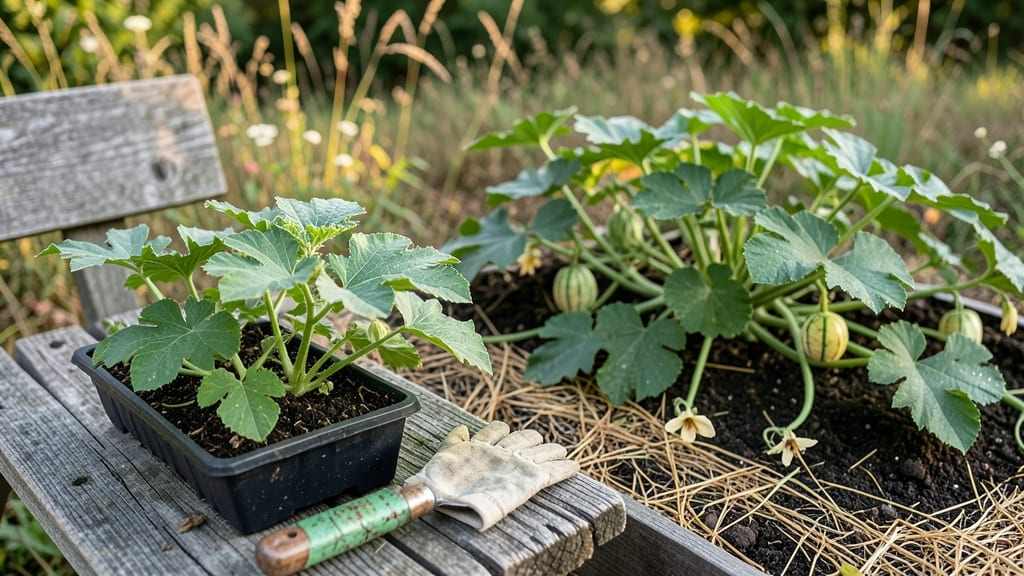
Planting watermelons in Texas isn't just about throwing seeds in the dirt—it's about timing them perfectly to beat the brutal heat and avoid bolting before your vines even get a chance to fruit.
I’ve learned the hard way that spring is your golden window, but not all of Texas agrees on when that means. Up north, you might wait until mid-April after the last frost, while down south, the soil warms up faster—sometimes as early as March.
Get it wrong, and you’ll end up with bitter fruit or vines that give up before summer even kicks in.
What if I told you there’s a 3-step strategy to lock in the best planting window for your region? We’ll break down soil temperature tricks, heat zone maps, and even how to stretch your growing season into fall without sacrificing quality. No more guesswork—just juicy, vine-ripened success.
Whether you’re in the Panhandle or the Rio Grande Valley, these insights will help you avoid common mistakes like premature bolting or poor germination. Let’s get those seeds in the ground at the perfect moment so you can harvest like a pro.
Texas heat zones explained: the perfect planting windows by region
Texas stretches from USDA Zone 6a in the Panhandle to Zone 10a along the Gulf Coast, creating wildly different planting windows for watermelons. In North Texas, cool springs delay planting until mid-April, while South Texas gardeners can start seeds in February—but timing isn't just about frost.
Watermelons thrive when soil hits 70°F+, and planting too early means slow germination or rotting seeds. Let's break down the ideal windows by region to maximize your harvest.
For Central Texas (Zones 7b-8b), the sweet spot is late March to early April for direct sowing, but transplanting 2-3 week old seedlings in mid-March gives vines a head start.
The key is avoiding late spring frosts (common in Austin/San Antonio) while ensuring 80+ days of warm weather before the first frost. In East Texas (Zones 7a-8a), humidity becomes the enemy—plant in April and use raised beds to prevent fungal diseases.
Now, let's compare the perfect planting windows across Texas regions, including last frost dates and heat tolerance thresholds for watermelon success.
In North Texas, the Panhandle and Amarillo (Zone 6a) face the harshest conditions—plant after May 1 to avoid late spring frosts that can kill young vines. I've had success using row covers for the first 2 weeks to protect seedlings from unpredictable cold snaps.
The Texas A&M AgriLife Extension recommends waiting until soil temperatures consistently stay above 75°F before sowing seeds directly.
For South Texas (Zones 8a-10a), the challenge shifts to heat stress. Planting in February gives watermelons time to mature before summer's 100°F+ temperatures trigger bolting. I've found that shade cloth (30-50%) during peak afternoon sun prevents vines from shutting down prematurely.
Varieties like 'Sugar Baby' and 'Crimson Sweet' handle heat better than 'Charleston Gray', which bolts quickly in Zone 10a.
Central Texas gardeners have the best of both worlds—mild winters and long growing seasons. The Hill Country (Zone 8a) can plant as early as mid-March, while San Antonio (Zone 8b) benefits from two planting windows: spring and fall.
For fall plantings, start seeds in August to harvest before first frost in November. Just beware of cucumber beetles, which thrive in Central Texas' warm, humid summers.
Pro tip: Use a soil thermometer to confirm readiness—watermelon seeds won't germinate below 70°F. I keep mine buried 2 inches deep near seed beds and check daily.
In West Texas (Zones 7b-8a), where water is scarce, drip irrigation and mulch are non-negotiable. Without consistent moisture, vines bolt (flower prematurely) or produce small, seedy fruits.
Remember, Texas' heat zones aren't just about frost dates—they're about heat tolerance thresholds. Watermelons grown in Zone 10a (like Houston) need shade during July-August
Signs your watermelon planting timing is wrong (and how to fix it)
Your watermelon plants may look healthy, but if they're bolting prematurely or struggling to germinate, your planting timing is likely off. Texas's variable climate means even a few degrees too cold or too hot can derail your harvest.
I’ve seen gardeners in North Texas lose entire crops to late frosts, while South Texas growers battle heat stress by mid-June.
Common red flags include thin, leggy seedlings, yellowing leaves before flowering, or vines producing small, bitter fruit. These signs often point to temperature mismatches between your planting window and the plant’s needs. For example, watermelons need soil temperatures above 70°F to thrive—any cooler, and germination stalls.
⚠️ CALLOUT WARNING
In North Texas (USDA Zones 7-8), planting too early—before the last frost date (March 15)—can leave seedlings vulnerable to cold snaps. Use black plastic mulch to warm soil faster, or opt for transplants after April 15 when nights stay above 50°F.
I’ve had success with ‘Sugar Baby’ varieties, which mature faster in cooler zones.
For Central and South Texas (Zones 8-10), the opposite problem occurs: heat stress causes vines to bolt before fruiting. If your plants flower but fail to set fruit, they’re likely reacting to temperatures above 95°F.
Provide 30% shade cloth during peak afternoons or use drip irrigation to keep roots cool. Staggered plantings every 2 weeks can spread out your harvest and avoid peak heat.
Another fix is nighttime irrigation, which lowers soil and air temperatures by 5-10°F. I’ve seen this technique extend the growing season by 2-3 weeks in East Texas.
Pair it with mulch to retain moisture and prevent soil crusting, which stunts root growth. For container growers, use 5-gallon pots with heat-resistant fabric to shield roots.
If your watermelon seeds aren’t germinating within 7-10 days, the soil is likely too cold. Pre-warm seeds by soaking them in 100°F water for 24 hours before planting, or use a seedling heat mat until sprouts appear.
In West Texas, where soil heats up quickly, plant seeds 1 inch deep under clear plastic domes to trap warmth.