
Plants
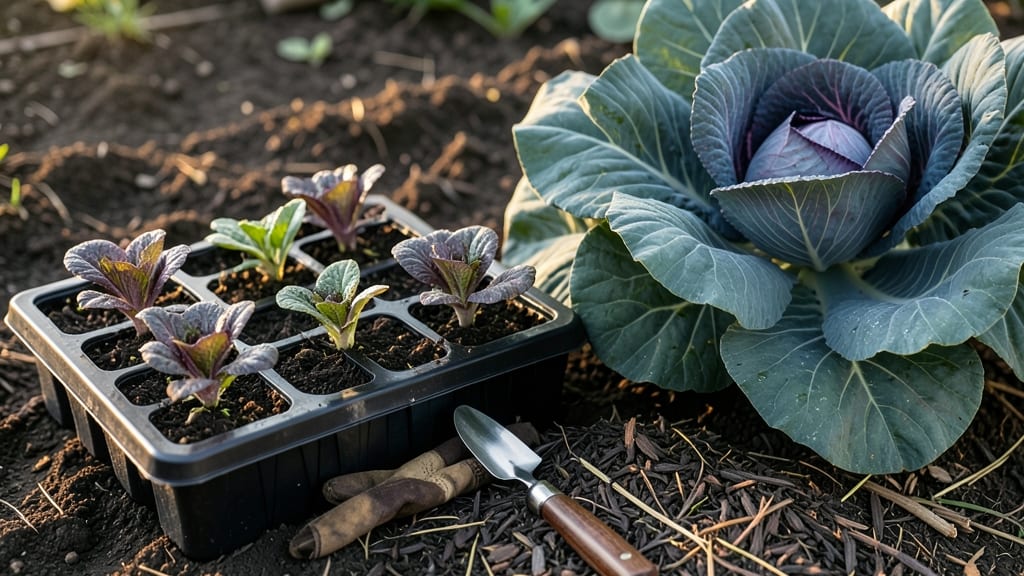
Timing your 🥬 cabbage planting in Utah isn’t just about following a calendar—it’s about outsmarting the state’s wild swings from 50°F mornings to 90°F afternoons.
Plant too early, and frost will stunt your greens; too late, and Utah’s summer heat sends them bolting before you even taste that first crisp bite.
I’ve learned the hard way that Utah’s microclimates—whether you’re in the high desert or the Wasatch Front—demand a tailored approach. The key isn’t just knowing when to plant; it’s understanding how elevation, soil warmth, and even your neighborhood’s urban heat island effect play into the perfect window.
In this guide, I’ll break down the exact months that work for your specific corner of Utah, plus pro tips to beat bolting and stretch your harvest from June through October. No more guessing—just science-backed timing for zero wasted effort.
Ready to grow cabbage that’s sweeter, slower to bolt, and perfectly timed for Utah’s quirks? Let’s get started.
Utah’s cabbage planting calendar by microclimate zone (with exact months)
Utah’s five distinct growing zones create wildly different conditions for cabbage—from the Wasatch Front’s cooler valleys to Southern Utah’s high-desert heat. Planting at the wrong time means bolting (bitter, flowering cabbage) or stunted growth.
My research with Utah State University Extension shows spring vs. fall success rates vary by 15-30% depending on elevation. Here’s your zone-specific roadmap to crisp, sweet heads all season.
Key factors to nail timing: soil temperatures (ideal: 45-85°F), last frost dates (varies 10-21 days by zone), and heat tolerance of your variety. For example, ‘Touchstone’ handles Utah’s summer heat better than ‘Golden Acre’, but both need precise timing.
Let’s break it down by region—because planting in March in Cache Valley is a different game than in Southern Utah’s St. George.
📅 PRO TIP: Use row covers to extend spring planting by 2-3 weeks in cooler zones, or opt for shade cloth in summer to prevent bolting. These tricks let you double your harvest windows in Utah’s extreme climate.
Let’s start with the Wasatch Front (USDA Zone 6a), where Salt Lake City’s urban gardens thrive. Your spring window opens March 15 for direct sowing or April 1 for transplants. Soil temps must hit 45°F—use a soil thermometer to confirm. For fall harvests, plant July 15-August 15 to
How to adjust cabbage planting for Utah’s unpredictable weather (pro tips)
Utah’s weather is famously fickle—one day you’re shoveling snow, the next you’re battling 100°F heat. For cabbage, this means bolting is your biggest enemy, and staggered planting is your best friend.
I’ve learned that the 30-50-70 Rule (planting in 30-day intervals) extends harvests by 6-8 weeks here, even in the high desert.
Start with 30% of your plants 4-6 weeks before your last frost date (usually mid-March in valleys, late April in high elevations). Then add 50% in late April and 20% in early July for a fall crop. This spreads risk across Utah’s two planting windows—spring and late summer.
For early starts, use floating row covers to protect seedlings from late frosts (common in Cache Valley) and cabbage loopers. I swear by Agribon AG-19—it raises soil temps by 3-5°F while shielding plants from windburn in exposed areas like Southern Utah’s desert foothills.
🌱 Utah Cabbage Planting Pro Tips
- 1. Soil Prep: Amend with compost to boost organic matter—Utah’s alkaline soils (pH 7.5-8.5) need sulfur to lower pH to 6.0-6.8.
- 2. Variety Choice: Pick bolt-resistant types like ‘Touchstone’ (heat-tolerant) or ‘Golden Acre’ (disease-resistant).
- 3. Watering: Deep-water every 2-3 days in summer; use drip irrigation to avoid wetting leaves (prevents black rot).
- 4. Mulching: Apply straw mulch (2-3 inches) to retain moisture and block weeds—critical in Utah’s low-humidity summers.
- 5. Shade Cloth: In Zone 7+ areas (Southern Utah), use 30% shade cloth during July-August to prevent bolting.
Utah’s urban heat islands (like Salt Lake City) can push soil temps 10°F higher than rural areas. If you’re in a city garden, opt for shorter-day varieties like ‘Early Jersey Wakefield’, which mature in 55-60 days—fast enough to beat the heat.
Watch for cabbage maggots in spring and harlequin bugs in summer. I’ve had success with diatomaceous earth around plant bases and neem oil sprays every 10 days during peak pest seasons (May-June and August).
Finally, don’t overlook fall planting. In Utah’s cooler high elevations (e.g., Logan or Park City), you can sow seeds August 1-15 for a September-October harvest before first frost. Just remember: soil temps must stay above 45°F for germination.