
Plants
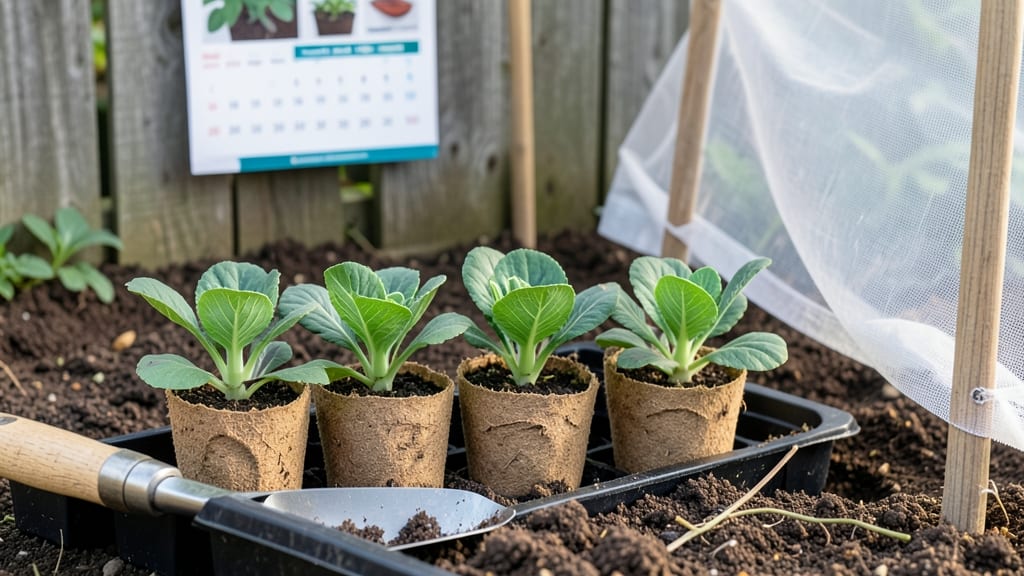
Planting cabbage in Zone 6b at the wrong time means watching your hard work turn bitter or bolt into seed stalks before harvest. The key to sweet, crisp 🥬 heads lies in precise timing—start too early, and frost will ruin your crop; too late, and heat triggers disappointment.
I’ve grown cabbage here for years, and these exact planting windows will help you avoid both mistakes.
For spring crops, begin seeds indoors 8-10 weeks before your last frost (around late February to early March), then transplant outdoors by mid-April. Fall plantings? Start seeds indoors in late July for outdoor transplanting by early August.
These schedules align with Zone 6b’s 165 frost-free days, ensuring your cabbage matures before cold sets in.
Why does timing matter so much? Cabbage thrives in cool weather—ideal temperatures are between 60-70°F. Plant outside that range, and you risk bolting (flowering prematurely) or stunted growth. I’ll show you how to adjust for your microclimate, whether you’re dealing with early frosts or unexpected heatwaves.
Ready to grow cabbage that’s tender, flavorful, and free from bolting? Let’s break down the exact steps—from seed starting to transplanting—to guarantee a successful harvest in your Zone 6b garden.
Zone 6b cabbage planting calendar: exact months for spring and fall success
In Zone 6b, cabbage thrives when planted at precise times to avoid frost damage or heat-induced bolting. The key is understanding your last frost date (April 15) and first frost date (October 15), which define two perfect planting windows: early spring and late summer.
For head varieties like 'Golden Acre' or 'Red Express', timing directly impacts sweetness and yield.
Spring cabbage needs 60-75 days to mature, so start seeds 4-6 weeks before your last frost (around March 1-15). Fall crops require 75-100 days to reach harvest before frost, so plant 10-12 weeks before October 15 (around July 1-15).
Miss these windows, and you’ll either lose plants to cold or watch them bolt into bitter stalks.
| Planting Window | Action | Ideal Varieties | Temperature Threshold | Frost Risk |
|---|---|---|---|---|
| Early Spring | Start seeds indoors (Feb 15-March 1) | 'Golden Acre', 'Early Jersey Wakefield' | 45-55°F soil temp | High (before April 15) |
| Early Spring | Transplant seedlings (March 15-April 1) | 'Red Express', 'Savoy King' | 50-60°F air temp | Moderate (after April 15) |
| Late Summer | Direct sow seeds (July 1-15) | 'Tendercrisp', 'Early Drumhead' | 60-70°F soil temp | Low (before Sept 15) |
| Late Summer | Transplant seedlings (July 15-August 1) | 'Red Express', 'Golden Ball' | 65-75°F air temp | Moderate (after Sept 15) |
For spring cabbage, I recommend starting seeds indoors by February 15 to give them a head start. Transplant hardened-off seedlings 2-3 weeks before your last frost (around March 15-April 1), spacing them 18-24 inches apart in full sun.
This timing ensures they mature before summer heat triggers bolting.
Fall cabbage is trickier—plant too late, and your crop won’t finish before frost. Aim to transplant 75-100 days before October 15, which lands you in the July 1-August 1 window.
Use shade cloth if summer temps exceed 80°F to prevent bolting. For direct sowing, scatter seeds July 1-15 in well-drained soil with organic matter.
In Zone 6b, 'Golden Acre' and 'Red Express' are my top picks for head cabbage—they tolerate heat better than other varieties. For leaf cabbage, try 'Tendercrisp', which bolts less easily in warm weather. Always choose slow-bolting varieties for summer planting to maximize your harvest window.
Watch soil temperatures closely—cabbage seeds need 45-55°F to germinate. Use a soil thermometer to confirm readiness before planting. If your soil is too cold, wait 1-2 weeks or use black plastic mulch to warm it faster. Cold soil slows germination and invites rot.
After transplanting, mulch with straw or shredded leaves to keep soil moist and cool. This is critical in Zone 6b summers, where sudden heat spikes can cause bolting. Water deeply once a week (1-1.5 inches) and avoid overhead watering to prevent fungal diseases like downy mildew,
How to adjust planting dates for zero-bolt cabbage in Zone 6b
Your Zone 6b garden’s microclimate can shift planting windows by 2-3 weeks. If your yard sits in a low-lying area, cold air pools and delays spring planting—start seeds indoors 10-12 weeks before your last frost (around early March).
Conversely, south-facing slopes warm faster; you can transplant outdoors 2 weeks earlier than average.
Soil temperature is the real game-changer. Cabbage seeds need 45-50°F soil to germinate. Use a soil thermometer to confirm warmth before direct sowing—if it’s cooler, wait or use black plastic mulch to warm the soil faster. I’ve seen seedlings rot in 50°F soil that felt "warm enough" to the touch.
Heat-tolerant varieties like 'Tendercrisp' handle 75°F days better than traditional types, but even they’ll bolt if daytime temps hit 80°F+. For late summer plantings, use 30% shade cloth to drop temps by 10-15°F during peak afternoon heat. This buys you 3-4 extra weeks of safe growth before fall frost.
Row covers are my secret weapon for extending seasons. In spring, they shield seedlings from 28°F frosts while letting sunlight through. In summer, lightweight floating row covers reduce temps enough to prevent bolting—just remove them when heads form to avoid loose, misshapen cabbages.
I’ve kept plants growing 3 weeks longer in late summer this way.
For fall crops, time your last planting so heads mature 10-14 days before frost. In Zone 6b, that means starting seeds indoors by late July for transplanting in early August.
Use cold-hardy varieties like 'Red Express', which tolerates 25°F without bolting. Mulch with straw to insulate roots and delay frost damage.
Bolting is almost always a temperature or stress response. If your cabbage starts flowering early, check for drought stress (water deeply) or overcrowding (thin plants). For next year, adjust your schedule: plant 1-2 weeks earlier in spring or 2 weeks later in fall to avoid heat spikes.
With these tweaks, you’ll harvest sweet, crisp cabbage instead of bitter bolters.