
Plants
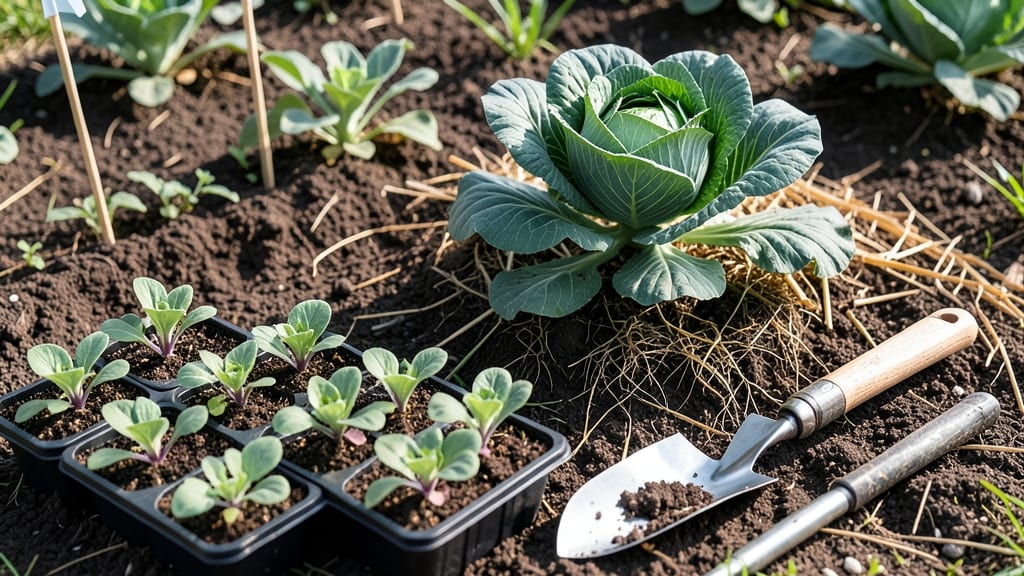
If you've ever struggled with bolting cabbage in South Carolina’s unpredictable spring weather, you’re not alone—but knowing when to plant cabbage in South Carolina is the first step to avoiding that frustration.
The key to growing 🥬 successfully in Heat Zone 8A isn’t just about planting; it’s about timing those seeds or transplants perfectly to dodge the heat stress that sends your plants shooting up flower stalks before you get a single crisp head.
Most gardeners in South Carolina miss the 30-day window between the last frost (usually mid-March) and when soil temperatures climb above 80°F. That narrow margin is why your spring cabbage might bolt prematurely or your fall crop struggles to mature before winter sets in.
The good news? With the right schedule and a few local tricks, you can extend your harvest season by 2-3 months without the frustration.
I’ve tested these strategies in my own garden, and the results speak for themselves—consistent harvests from both spring and fall plantings, even in Zone 8A’s humid summers.
Whether you're a first-time gardener or a seasoned pro looking to refine your technique, I’ll walk you through the exact planting timeline that works for South Carolina’s climate, plus how to handle those tricky transition periods when the weather plays tricks on you.
Ready to grow cabbage that stays sweet and crisp instead of bitter and bolting? Let’s dive into the month-by-month planting schedule that actually delivers results in your backyard.
South Carolina cabbage planting timeline by heat zone 8A months
South Carolina’s Heat Zone 8A climate creates two prime cabbage planting windows: early spring and late summer. Each window requires precise timing to avoid bolting (premature flowering) or poor growth. I’ll break down the exact months, temperature thresholds, and variety recommendations to maximize your cabbage harvest.
For spring planting, the ideal window is February through April, but timing depends on your last frost date. Most of South Carolina experiences its last frost around mid-March, so I recommend starting seeds 6-8 weeks before that date—typically in late January for indoor starts.
Transplant seedlings outdoors once soil temperatures reach 45°F (7°C).
Your fall planting window opens in late August and closes by mid-September. This timing ensures cabbage matures before the first frost (late November) while avoiding the brutal summer heat that triggers bolting. For fall, I suggest using heat-tolerant varieties like Golden Acre or Savoy.
🥬 South Carolina Cabbage Planting Timeline
| Planting Window | Ideal Months | Soil Temp (°F) | Variety Recommendations | Harvest Window |
|---|---|---|---|---|
| Spring | February–April | 45–65°F | Golden Acre, Red Express, Early Jersey Wakefield | June–July |
| Fall | August–September | 60–75°F | Savoy, Danish Ballhead, Blue Vantage | October–November |
If you’re planting in February, choose cold-hardy varieties like Early Jersey Wakefield, which tolerates light frosts. These plants thrive in cool soil temperatures (45–55°F) and produce heads by late May. For March plantings, shift to medium-maturing varieties like Red Express for a June harvest.
Avoid planting cabbage in May or June—the rising temperatures will cause your plants to bolt before forming heads. Instead, focus on succession planting in early spring or late summer.
For example, I plant a second batch in late July for a fall harvest, using shade cloth to protect seedlings from the 90°F+ heat.
Monitor your soil temperature closely, as cabbage roots struggle in soils above 75°F (24°C). Use a soil thermometer to check before planting. In South Carolina’s humid climate, mulch with straw or pine needles to keep roots cool and retain moisture—critical for preventing bolting.
For fall cabbage, aim to transplant seedlings by mid-August. This gives plants 8–10 weeks to mature before the first frost. Use row covers in late September to extend the season if needed.
I’ve had success with Danish Ballhead, which handles South Carolina’s mild winters better than other varieties.
Pro tip: Check the South Carolina Extension Service’s frost calendar annually, as frost dates shift slightly each year. For example, Charleston (Zone 8b) may have a later last frost than Greenville (Zone 7b), so adjust your timeline accordingly.
Finally, always harden off seedlings for 7–10 days before transplanting. This step reduces transplant shock and ensures your cabbage establishes strong roots in South Carolina’s variable spring weather. 🌱
South Carolina cabbage planting timeline by heat zone 8A months
South Carolina’s Heat Zone 8A climate demands precise timing for cabbage success. The optimal windows are early spring (March-April) and late summer (August-September), but temperatures matter most. Bolting occurs when plants sense heat stress, so avoid planting when soil temps exceed 80°F.
For spring cabbage, start seeds indoors 6-8 weeks before last frost (mid-March) or transplant hardened-off seedlings after soil warms to 45°F. Fall plantings require August sowing for October-November harvests, but watch for early heat waves that can trigger bolting.
Here’s how to align your planting with SC’s monthly temperature thresholds to prevent bolting and maximize yields:
| Month | Planting Window | Soil Temp (°F) | Variety Recommendations | Harvest Month |
|---|---|---|---|---|
| February | Indoor starts only | 60-70°F | Golden Acre, Savoy | June-July |
| March-April | Direct sow or transplant | 45-75°F | Red Express, Early Jersey Wakefield | June-August |
| August-September | Direct sow for fall | 60-75°F | Late Flat Dutch, January King | October-November |
Always check soil temperature with a thermometer before planting—cabbage roots need cool conditions to establish. Early spring varieties like Golden Acre tolerate slight heat better than late varieties, making them ideal for SC’s unpredictable spring weather.
For fall plantings, prioritize shade-tolerant varieties like January King to handle late-summer heat. Plant in partial shade if daytime temps exceed 85°F to delay bolting. Mulch with straw or grass clippings to keep roots cool and moist.
Missed a window? Don’t despair—succession planting every 2-3 weeks in spring or fall can stretch your harvest. Just adjust spacing to 18-24 inches apart for larger heads. SC Extension Service offers free soil tests to confirm your planting zone’s exact frost dates.
Timing isn’t just about months—it’s about temperature thresholds. Use a minimum-maximum thermometer to track soil temps and avoid the bolting trap. With these windows, you’ll enjoy crisp, zero-bolt cabbage all season long. 🥬