
Plants
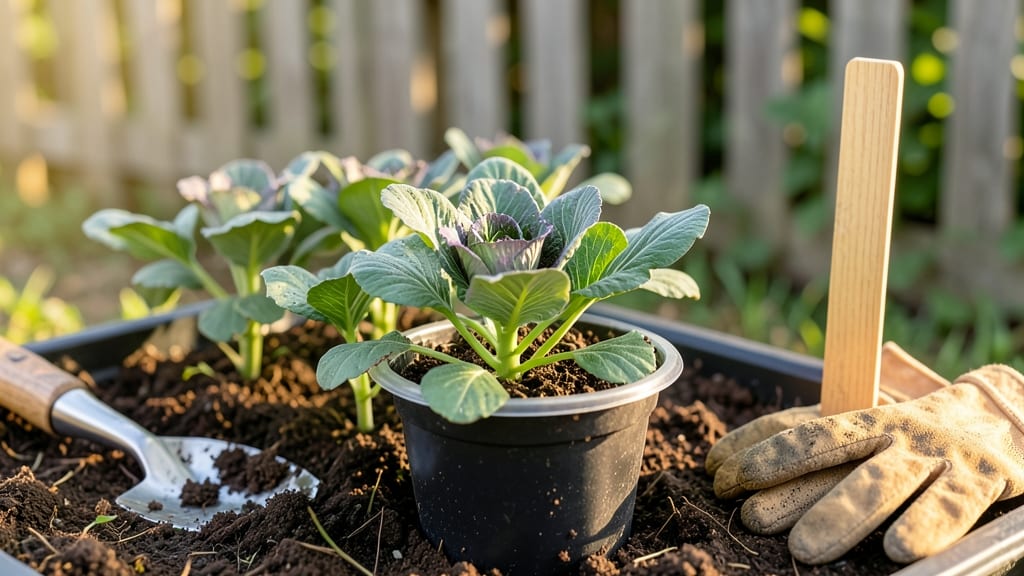
Timing your cabbage planting in Zone 5 isn’t just about following a calendar—it’s about outsmarting the climate to grow heads so sweet and crisp they’ll make your neighbors jealous. Plant too early, and you risk frost damage or bitter flavors; too late, and your harvest might never materialize.
The key lies in understanding your microclimate—whether you’re tucked in a cold pocket or baking in an urban heat island.
Most gardeners in Zone 5 swear by two windows: early spring when soil warms to 45°F (March–April) or late summer for a fall harvest (July–August). But here’s the twist: your exact dates depend on factors like frost risk, soil temperature, and even whether you’re starting seeds indoors or transplanting.
I’ll break down the science behind these windows and how to tweak them for your specific corner of Zone 5.
You might think cabbage is a one-size-fits-all crop, but nothing could be further from the truth. Early varieties need a head start indoors, while late-season types can handle cooler temps.
Plus, I’ll show you how to spot the signs when you’ve planted at the wrong time—and how to course-correct before it’s too late. Let’s get those 🥬 plants in the ground at the perfect moment!
Ready to ditch the guesswork? By the end of this guide, you’ll know exactly when to plant cabbage in your Zone 5 garden, whether you’re a first-timer or a seasoned pro looking to maximize your yield. No more wasted seeds or disappointing harvests—just lush, flavorful heads ready for the table.
Optimal planting windows for cabbage in Zone 5 (with microclimate tweaks)
Cabbage thrives in Zone 5’s cool-season climate, but timing is everything. Plant too early, and frost will damage tender seedlings; too late, and summer heat triggers bitter bolting. The sweet spot?
Three distinct windows: early spring, late summer, and fall. Each requires adjustments based on your garden’s microclimate—whether you’re battling cold pockets, urban heat islands, or windy exposures.
For early spring plantings, aim for March to early April when soil temps reach 45°F. This gives cabbage 60–75 days to mature before summer heat arrives. Late summer plantings (July–August) target a fall harvest before the first frost.
Meanwhile, fall plantings in late August–September extend your harvest into October—just push your luck too far, and you’ll risk frost damage.
Your garden’s microclimate can shift planting dates by 2–4 weeks. For example, cold pockets (like low-lying areas) may delay spring planting by 1–2 weeks, while urban heat islands could push back summer plantings to avoid heat stress.
Windy spots? Use windbreaks or opt for compact varieties like ‘Golden Acre’ to prevent stunted growth.
| Planting Window | Ideal Timeframe | Soil Temp | Microclimate Adjustments | Harvest Window |
|---|---|---|---|---|
| Early Spring | March 1–April 15 | 45–55°F | Delay 1–2 weeks in cold pockets; use row covers for frost protection. | June–July |
| Late Summer | July 15–August 10 | 50–60°F | Push back 1–2 weeks in urban heat islands; use shade cloth for seedlings. | September–October |
| Fall | August 20–September 15 | 50–60°F | Advance 1 week in windy areas; use cold frames for late harvests. | October–November |
If you’re starting seeds indoors, begin 6–8 weeks before your target planting date. For early spring, that means mid-January to February.
Use grow lights to prevent leggy seedlings, and harden them off for 1 week before transplanting. Direct-sowing is also an option for late summer/fall plantings—just sow seeds ½ inch deep and keep soil moist until germination (5–10 days).
For cold pockets, like north-facing beds or valley gardens, delay planting until after the last frost (typically May 15 in Zone 5). Use black plastic mulch to warm soil faster and floating row covers to extend the season.
In urban heat islands, where pavement radiates heat, opt for shade-tolerant varieties like ‘Wisconsin Winter’ and plant in afternoon shade.
Windy areas demand windbreaks or compact varieties. Try ‘Golden Acre’ or ‘Red Express’—both tolerate exposure better than standard types.
If winds are fierce, create a low barrier with straw bales or plant tall sunflowers as a natural windbreak. Mulch heavily to protect roots from drying out, and water deeply in the morning to reduce evaporation.
Pro tip: Test your soil before planting—cabbage prefers pH 6.5–7.0. Amend with compost or lime if needed, and avoid fresh manure, which can cause bolting. For container growing, use 5-gallon pots with drainage holes and a balanced fertilizer (10-10-10) every 4–6 weeks.
Remember, late plantings risk heat stress, while early plantings face frost. Use frost blankets for extra protection in spring, and harvest before heads split to avoid bitterness. With these tweaks, you’ll enjoy crisp, sweet cabbage heads all season long!
🌱
How to adjust planting dates for microclimates in Zone 5 Gardens
Zone 5’s variable microclimates can shift your cabbage planting by weeks—whether you’re in a windy hilltop or a urban heat island. Soil temperature, frost pockets, and even nearby trees can create localized growing conditions that demand adjustments to standard schedules.
For example, a north-facing garden stays cooler longer, while a south-facing bed warms up faster, sometimes by 2–3 weeks.
Start by testing your soil temperature with a soil thermometer—cabbage roots thrive when soil reaches 45°F (7°C). If your yard has cold pockets (like low-lying areas), wait until mid-April or later, even if the general Zone 5 last frost date is mid-May.
Conversely, urban heat islands may allow planting as early as late February for heat-tolerant varieties like ‘Cavalo’ or ‘Golden Acre’.
Another key factor is wind exposure. Cabbage seedlings are delicate and can dry out or get windburned in exposed areas. If your garden is windy, delay planting until after May 1 or use windbreaks (like cornstalks or burlap screens) to protect young plants.
For shaded microclimates under trees, choose partial-shade varieties like ‘January King’ and plant 2–3 weeks later than full-sun areas.
🌡️ Microclimate Adjustments for Cabbage Planting
- 1. Cold Pockets (Low Areas, North Faces): Delay planting by 2–3 weeks (aim for late April) to avoid soil frost.
- 2. Urban Heat Islands (Pavement, Concrete): Plant 2–3 weeks early (as early as late February) for heat-tolerant varieties.
- 3. Windy Gardens (Exposed Areas): Wait until after May 1 or use windbreaks to protect seedlings.
- 4. Shaded Microclimates (Under Trees): Choose partial-shade varieties and plant 2–3 weeks later than full-sun areas.
- 5. High-Altitude Gardens (1,000+ ft): Adjust planting dates 1–2 weeks later due to cooler temperatures.
For late-summer plantings (July–August), focus on fall harvests before the first frost (mid-October in Zone 5). If your area has early frosts, opt for fast-maturing varieties like ‘Early Jersey Wakefield’ (58 days) or ‘Golden Ball’ (60 days).
Conversely, if you have mild microclimates (like near large bodies of water), you might extend your fall growing season by 3–4 weeks.
Pro tip: Use a garden journal to track local frost dates and soil warming trends over 2–3 years. Note which varieties thrive in your microclimate and adjust future planting dates accordingly.
For example, if ‘Red Express’ bolts in your hot microclimate, switch to ‘Savoy King’, which handles heat better.
Finally, don’t overlook container gardening for tricky microclimates. Pots warm up faster and can be moved to optimal sun exposure. Just ensure containers have drainage holes and use lightweight potting mix to prevent overheating.
With these adjustments, you’ll maximize your cabbage yield—even in Zone 5’s most challenging spots! 🌱