
Plants
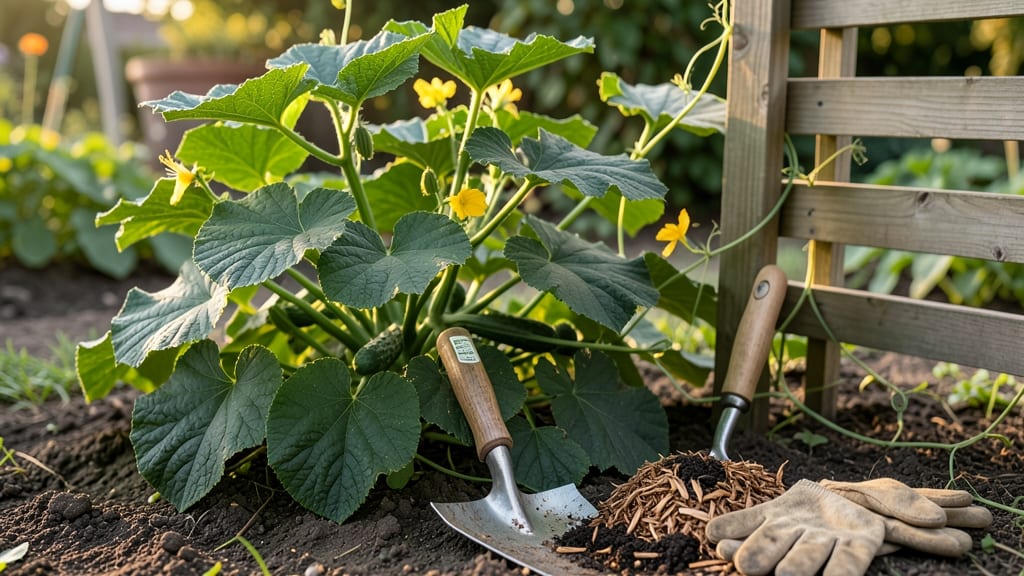
Planting cucumbers in Zone 6 at the wrong time can mean the difference between a bountiful harvest of crisp 🥒 and struggling vines that barely produce. The key isn't just waiting for spring—it's understanding your local microclimate to time those seeds just right.
Most gardeners in Zone 6a-6b wait until after the last frost, typically mid-to-late spring, but that's only half the battle. Soil temperatures need to hit at least 60°F before cucumbers will germinate properly, and a late frost can wipe out tender seedlings overnight.
I've learned that even a week too early can leave your plants stunted and stressed.
Whether you're direct sowing seeds or transplanting starts, the right timing also depends on your variety. Heat-loving types like 'Straight Eight' need warm soil, while cold-tolerant 'Northern Pickling' cucumbers can handle slightly cooler conditions.
I'll show you how to adjust your planting schedule based on your specific microclimate—whether you're in a sheltered urban garden or an exposed rural plot.
Ready to grow cucumbers that thrive from seed to harvest? Let's dive into the exact planting windows, soil prep tips, and microclimate strategies that will give you the strongest vines and most productive plants in Zone 6.
Optimal planting dates for cucumbers in Zone 6: soil temperature vs. frost risk
Planting cucumbers in Zone 6 requires balancing soil warmth and frost-free windows. Cucumbers are heat-loving and won’t germinate well in cold soil, so timing is everything.
The average last frost date in Zone 6 falls between mid-April and early May, but don’t rush—soil temperatures must reach at least 55-60°F for consistent germination.
Direct sowing is the most common method for cucumbers, but if you’re using transplants, wait until nighttime temperatures stay above 50°F. Early varieties like 'Northern Pickling' can handle slightly cooler conditions, while heat-lovers like 'Straight Eight' need warmer soil to thrive.
Always check your local frost dates—even a light frost can devastate young seedlings.
Here’s the golden rule: Wait until after the last frost and when soil is warm enough (test with a soil thermometer). Planting too early risks rotten seeds or stunted growth, while waiting too long may shorten your harvest window.
In Zone 6, this typically means late May to early June for most varieties.
For a longer harvest, consider succession planting every 2 weeks after your initial date. This ensures a steady supply of fresh cucumbers throughout the summer. Just remember: cucumbers are annuals, so they’ll need to be replanted each year.
If you’re in a cooler microclimate within Zone 6, you might need to push planting back to mid-June. Conversely, warmer microclimates (like near black plastic mulch or in raised beds) can allow earlier planting.
Always monitor your garden’s specific conditions—what works in one spot may fail just a few feet away.
| Method | Ideal Planting Window | Soil Temp Requirement | Notes |
|---|---|---|---|
| Direct Sowing | Late May to early June | 55-60°F (13-16°C) | Best for warm soil; use black plastic mulch to warm soil faster. |
| Transplanting | Early June (after last frost) | 50°F+ (10°C+) | Hardier than direct sowing; avoid transplant shock with proper acclimation. |
| Succession Planting | Every 2 weeks until July | 55°F+ (13°C+) | Extends harvest; ideal for bush varieties. |
| Container Gardening | Late May to June | 60°F+ (16°C+) | Use large pots (5+ gallons); water more frequently. |
Choose cold-hardy varieties like 'Northern Pickling' or 'Burpee Bush Champion' if you’re planting early. These can tolerate slightly cooler soil and are less prone to damping off. For longer harvests, opt for heat-tolerant varieties like 'Straight Eight' or 'Marketmore 76', which thrive in Zone 6’s summer heat.
Pro tip: Use a soil thermometer to confirm warmth before planting. Bury it 1 inch deep and wait until readings are consistent at 60°F or above. If your soil is still cold, try black plastic mulch or a cold frame to speed up warming.
Patience here pays off with stronger vines and bigger yields.
Remember, cucumbers are fast growers—they’ll bolt if stressed by cold or drought. By planting at the right time, you’ll give them the best start for a productive summer harvest.
Keep an eye on your local weather forecasts, and don’t hesitate to adjust your planting date if an unexpected cold snap is forecasted.
For container gardeners, timing is even more critical since pots heat up and cool down faster than in-ground soil. Start potted cucumbers 1-2 weeks later than in-ground plants to avoid temperature swings. Use well-draining potting mix and larger containers (at least 5 gallons) to mimic ground conditions.
Finally, mark your calendar for first frost dates (typically mid-October in Zone 6) to plan your harvest window. With the right timing, you can enjoy fresh cucumbers from late June until September, giving you a 3-month harvest in just one growing season.
Microclimate strategies to extend cucumber growing season in Zone 6
Zone 6’s unpredictable spring frosts and short growing season (about 165 frost-free days) can limit cucumber success—but smart microclimate tweaks change the game. Even a 5°F warmer microclimate near your patio or fence can shave weeks off your planting timeline.
For example, urban gardeners with concrete heat absorption can plant 2-3 weeks earlier than rural areas. Meanwhile, shaded spots under trees may need row covers to compensate. The key? Observe your garden’s sun exposure patterns for at least a week before planting.
My go-to strategy for Zone 6 is combining row covers with black plastic mulch. The mulch raises soil temps while the covers protect young plants from late spring frosts (common until mid-May).
I’ve extended my harvest by 3-4 weeks using this combo—critical for varieties like 'Straight Eight' that need 70 days to mature.
For shaded microclimates, pair bush cucumber varieties (like 'Bush Champion') with reflective mulch. These plants tolerate partial shade better than vining types, and the mulch bounces extra light onto leaves. Just avoid planting near large trees—their roots compete for water and nutrients.
Wind is another silent killer in Zone 6. If your garden sits in a windy microclimate, use windbreaks (like cornstalks or burlap screens) to prevent transplant shock.
I once lost 40% of my seedlings in a gusty May weekend—since then, I’ve added low shrubs as natural barriers near my raised beds.
Finally, companion planting with radishes or beans can buy you extra time. Radishes mature quickly, marking where cucumbers can follow later in the season. Meanwhile, beans fix nitrogen in the soil, giving your cucumbers a nutrient boost when they’re most vulnerable to early-season stress.