
Plants
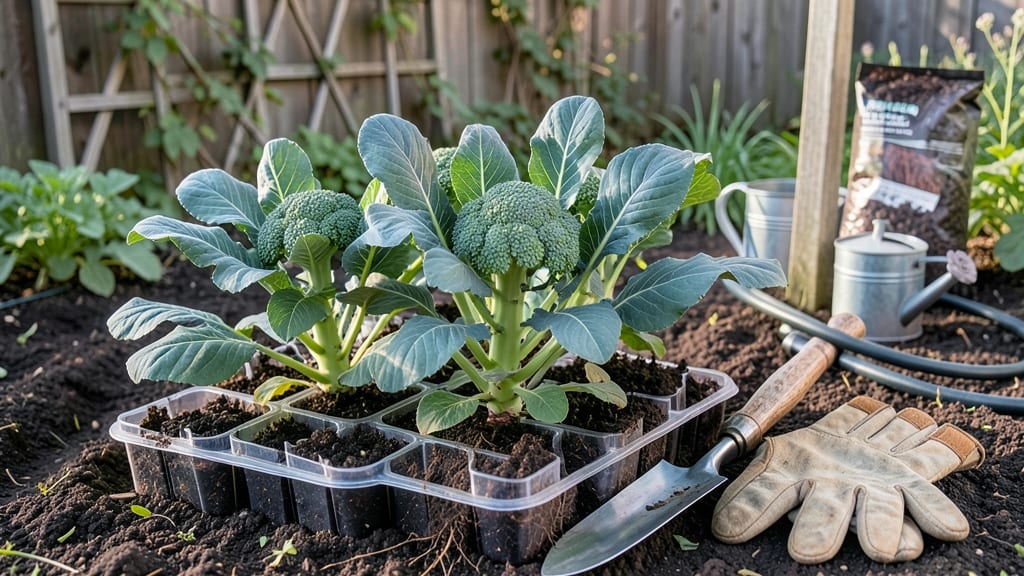
Planting fall broccoli in Zone 6 at the right time is the difference between plump, flavorful heads and bitter, stunted plants. If you wait too late, frost will ruin your harvest before those 🥦 crowns even form, while planting too early means your broccoli will bolt in the summer heat.
Here’s the secret: timing isn’t just about dates—it’s about reading your microclimate. In Zone 6 (General), aim for late summer to early fall, specifically 4-6 weeks before your first frost, usually around late July to mid-August.
But if your garden sits in a cooler pocket or gets more shade, you might need to adjust.
Why does this matter? Broccoli needs 60-90 days to mature, and in Zone 6, that window narrows fast. Get it wrong, and you’ll either end up with tiny heads or none at all.
The good news? With the right adjustments—like choosing heat-tolerant varieties and protecting young plants from early frosts—you can grow broccoli that’s bigger, sweeter, and ready to harvest just as winter sets in.
Let’s break down exactly how to time your planting for the best results, including soil prep, spacing, and those all-important microclimate tweaks that make the difference between a mediocre harvest and a garden full of perfect 🥦 crowns.
Optimal fall planting windows for broccoli in Zone 6 (with microclimate adjustments)
Timing is everything when planting fall broccoli in Zone 6. Aim for a 60–90-day maturity window before your first frost—typically mid-October—to ensure full-sized heads. For Zone 6, this means starting seeds indoors by late June or transplanting mid-July to early August.
However, your exact schedule depends on local microclimates, like urban heat islands or windy hilltops, which can shift frost dates by 1–2 weeks.
Broccoli thrives in cool but not freezing temperatures (50–75°F). Plant too early in hot July heat, and your seedlings may bolt. Wait too long, and early frosts (below 28°F) will blacken leaves before harvest.
The sweet spot? Transplant 4–6 weeks before frost, when soil temps drop below 80°F but stay above 50°F.
Here’s how to adjust your planting window based on your microclimate:
For heat-tolerant varieties, choose Calabrese or Waltham 29, which handle short heat spikes better than standard types. Start seeds indoors 4–6 weeks before transplanting to give them a head start. Harden off seedlings by placing them outdoors for 2–3 hours daily the week before transplanting to avoid shock.
Spacing is critical for head size. Plant seedlings 18–24 inches apart in rows 24–30 inches apart to prevent competition. In containers, use 5-gallon pots with 1 plant per container and ensure pots have drainage holes.
Amend soil with compost (2–3 inches mixed in) to boost fertility, as broccoli is a heavy feeder.
After transplanting, water deeply 2–3 times per week to encourage root growth. Avoid wetting leaves to prevent disease. In dry spells, mulch with straw or wood chips to retain moisture. Monitor for cabbage worms and aphids—handpick pests or use neem oil for organic control.
By late August, your broccoli should be 6–8 inches tall with 4–6 true leaves. This is the ideal time to apply a balanced fertilizer (5-10-10) to promote head formation. If your area experiences unseasonably warm fall weather, use shade cloth to prevent bolting until temps drop below 75°F.
With the right timing and microclimate tweaks, you’ll harvest compact, flavorful heads by October or November. Just remember: earlier planting = smaller heads; later planting = frost risk. Strike that balance, and you’ll enjoy homegrown broccoli straight from your Zone 6 garden! 🥦
Optimal fall planting windows for broccoli in Zone 6 (with microclimate adjustments)
Zone 6’s fall broccoli thrives when planted between July 15 and August 15, but exact timing depends on your microclimate. Early August starts work best in cooler microclimates (shaded areas, north-facing beds), while July suits hotter spots (south-facing, full sun). Aim for 60–90 days to harvest before frost.
Your last frost date (mid-October in Zone 6) sets the deadline. Count backward: 90 days before frost = August 15; 60 days = September 20. For larger heads, plant closer to the 60-day mark—broccoli grows slower in cooler fall temps, preventing bolting.
Soil temperature matters too. Broccoli seeds need 40°F+ to germinate. Test your soil: if it’s below 50°F, wait 1–2 weeks or start transplants instead of direct sowing. Heat-tolerant varieties like ‘Waltham 29’ or ‘De Cicco’ handle July heat better than standard types.
🌱 Broccoli Planting Timeline for Zone 6
| Stage | Action | Notes |
|---|---|---|
| Direct Sowing | July 15–August 15 | Soil temp ≥40°F; 1/4" deep |
| Transplanting | July 1–September 1 | Hardened seedlings; 18" spacing |
| Fertilize | 2–3 weeks after planting | 5-10-10 balanced fertilizer |
| Harvest | October–November | Before heads flower |
Adjust for your local microclimate: if your garden stays warmer than average (e.g., near pavement or black soil), plant earlier (July). Conversely, shaded or windy areas need later starts (August). Windbreaks (like fences or tall plants) protect young seedlings from drying out.
Spacing is critical for head size. Plant 18–24 inches apart in rows 30 inches apart to prevent competition. Overcrowding leads to small, bitter heads. For container growing, use 5-gallon pots with one plant per pot—just ensure pots get full sun.
After planting, mulch with 2–3 inches of straw to retain moisture and regulate soil temps. This is especially key in Zone 6’s fluctuating fall weather, where nights can drop to 32°F while days stay warm. Mulch acts as insulation, giving your broccoli a fighting chance against early frost.
Finally, monitor for bolting (premature flowering). If days get too short (10 hours of light) or temps spike, broccoli may bolt. Use shade cloth (30%) during heatwaves to keep plants cool and delay bolting until after head formation.