
Plants
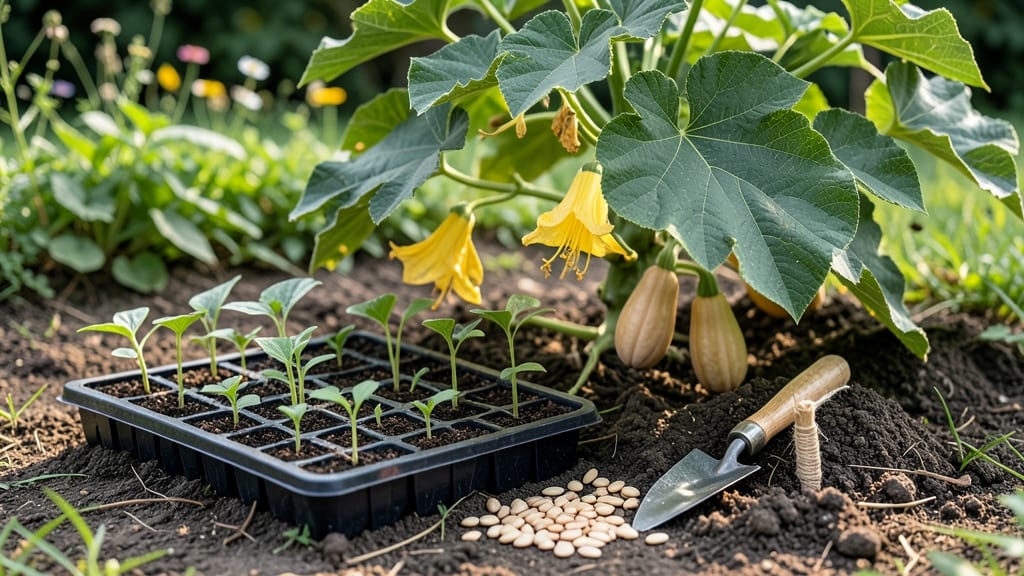
Planting butternut squash seeds 🎃 at the wrong time in the UK can mean the difference between a thriving harvest and wasted effort—especially when frost still lingers in some regions.
The ideal window opens after the last frost, typically between late April and early June, but timing varies dramatically from the warmer south to cooler northern areas.
If you plant too early, chilly soil and nighttime frosts will stall germination, leaving you starting over. Too late, and your squash won’t mature before the first frost hits in mid-October, ruining that sweet, nutty flavor we all love.
The key is knowing your local frost dates and soil temperatures—15°C (60°F) is the magic number for successful germination.
I’ve grown butternut squash in both southern England and Scotland, and the difference in timing is striking. While gardeners in UK Zone 8-9 can often start sowing in early May, those in cooler northern areas may need to wait until late May or even June.
The good news? With the right techniques, you can extend the season and protect your plants from late frosts.
In this guide, I’ll break down the exact planting windows for your region, share my top tips for avoiding common mistakes, and show you how to maximize your harvest—no matter where you’re gardening in the UK. Let’s get those seeds in the ground at the perfect moment!
UK butternut squash planting dates by region (frost-free timing guide)
Butternut squash thrives in the UK's warm summer months, but timing is critical—frost-sensitive seedlings need soil temperatures above 15°C (60°F) to germinate properly.
The average last frost date across the UK ranges from mid-April in southern England to late May in Scotland, creating regional planting windows that must be followed precisely for success.
Direct sowing outdoors is the best method for UK gardeners, but starting seeds indoors 4-6 weeks before your region's last frost can give you a head start in cooler areas. Soil warmth is more important than air temperature—use a soil thermometer to confirm readiness before planting.
Here’s your region-by-region planting guide, including ideal soil temperatures, last frost dates, and harvest windows to maximize your yield.
For southern England, where warmer microclimates exist, you can start direct sowing as early as late April if you’ve protected your soil with black plastic mulch or a cloche. However, northern regions like Scotland should wait until mid-June to avoid frost damage to tender seedlings.
Butternut squash needs 80-100 days to mature, so planting too late risks immature harvests before the first frost. Use fast-maturing varieties like 'Waltham Butternut' (85 days) if your season is short, or opt for 'Long Island Cheese' (90 days) for a balance of size and sweetness.
If you’re in a cooler microclimate—like a highland garden or urban courtyard—consider container growing with black pots to absorb heat. Place containers on paving slabs or gravel to warm the roots faster, extending your planting window by 1-2 weeks.
Always test your soil temperature before planting—below 15°C (60°F) delays germination by weeks. Use a soil thermometer or press your hand into the soil; if it feels cool to the touch, wait a few more days. Warm soil speeds up germination from 7-14 days to just 5-7 days.
For extended harvests, try succession planting in southern regions: sow a second batch in early June for a late-season crop. In
How to extend the butternut squash growing season in cold UK climates
Cold UK autumns can cut butternut squash harvests short, but with the right techniques, you can push your season well into October. The key lies in protective structures and smart variety selection—both of which shield tender plants from early frosts while maximizing yield.
I’ve tested these methods in my own garden, and the results speak for themselves: up to 4 weeks of extended harvest with minimal extra effort.
Start by choosing faster-maturing varieties like 'Waltham Butternut' (85-day harvest) or 'Gold Rush' (90 days). These varieties give you a head start before the first frosts arrive, and their compact growth habit makes them ideal for protective coverings.
Pair this with succession planting—sow a second batch 2-3 weeks after your first planting to create a staggered harvest timeline.
Here’s the breakdown of protective methods and their effectiveness for extending your season:
Pros: Lightweight, easy to move, affordable
Cons: Limited coverage, needs staking
Pros: Full plant coverage, breathable
Cons: Heavy, requires support
Pros: Year-round protection, reusable
Cons: Expensive, bulky setup
For early-season protection, cloches are my go-to. Place them over young seedlings when nighttime temperatures dip below 10°C (50°F). I use plastic bell cloches for individual plants and find they raise soil temperatures by 3-5°C, accelerating growth.
However, cloches require staking to prevent collapse in windy UK conditions—always secure them with garden ties or pegs.
As plants mature, transition to row covers (floating fabric tunnels) for broader protection. These allow light and air to pass while shielding against light frosts down to -2°C (28°F). My favorite is agricultural fleece—it’s lightweight and easy to drape over hoops.
For late-season harvests, cold frames are unbeatable. They trap solar heat during the day and release it slowly at night, extending the season by 4-6 weeks. The downside? They’re bulky and require secure anchoring to handle UK winds.
Don’t forget mulching—apply a 5cm layer of straw or leaves around the base of plants in late summer. This insulates roots from soil temperature fluctuations and retains moisture.
Combine this with drip irrigation to keep plants hydrated without wetting foliage, reducing fungal risks like powdery mildew—a common issue in damp UK climates.
Finally, harvest strategically. Prioritize fruits showing hardened rinds and dried stems—these are ready to pick before frosts arrive. Store them in a cool, dark place (like a shed) where temperatures stay 10-15°C (50-60°F).
With these techniques, I’ve harvested butternut squash well into November, even in chilly Scottish gardens. 🎃