
Plants
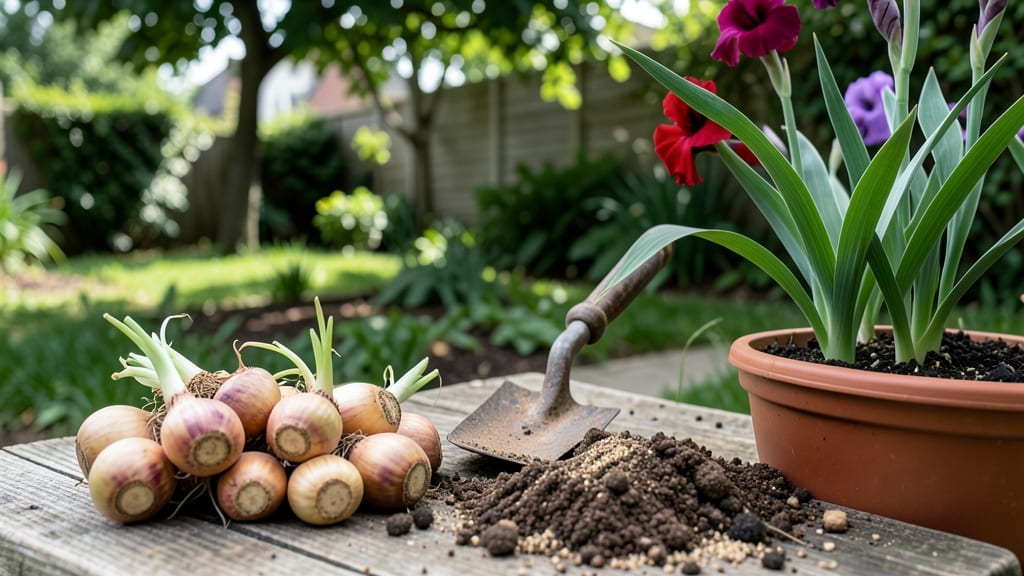
Planting your gladiolus bulbs at the right time in the UK could mean the difference between a showstopping summer display of 🌸 and a missed opportunity.
These stunning flowers need precise timing to thrive—too early, and frost will damage tender shoots; too late, and you might miss their peak bloom season entirely.
Most UK gardeners aim to plant gladiolus bulbs between late April and early June, once the soil has warmed to at least 10°C (50°F) and the risk of frost has passed.
But regional differences matter—warmer southern areas can start earlier, while cooler northern zones may need to wait until early May.
I’ll walk you through exactly how to time your planting, from checking soil temperature to adjusting for your specific UK location. With the right approach, you’ll maximize those vibrant blooms from July to September—without the guesswork.
Ready to transform your garden? Let’s dive into the ideal planting window and the simple steps to ensure your gladiolus thrive all season long.
UK gladiolus planting calendar: exact weeks before last frost dates
Timing your gladiolus bulbs for the UK’s unpredictable climate requires precision. Plant too early, and frost will damage tender shoots; too late, and you’ll miss the summer bloom window. The key is knowing your region’s last frost dates and waiting until soil warms to at least 10°C (50°F).
In most of the UK, this means aiming for late April to early June, but exact timing varies by region.
Southern England (e.g., London, Brighton) typically sees its last frost by mid-April, giving gardeners a head start. Meanwhile, Scotland and northern England (e.g., Edinburgh, Manchester) often wait until late May to plant, as frosts linger longer.
Wales falls somewhere in between, with early to mid-May being the safest window. Use these regional guidelines to align your planting with ideal bloom timing—gladiolus need 120–150 days from planting to flowering.
Here’s your UK gladiolus planting calendar, broken down by region and soil temperature thresholds. This table helps you calculate exact weeks before your local last frost to avoid common mistakes like frost damage or stunted growth.
| Region | Avg. Last Frost | Soil Temp Threshold | Planting Window | Bloom Time |
|---|---|---|---|---|
| Southern England | Mid-April | 10°C+ (after mid-April) | Late April–early May | July–August |
| Central England | Early May | 10°C+ (after early May) | Late May–early June | July–September |
| Scotland/Northern England | Late May | 10°C+ (after late May) | Early–mid June | August–early September |
| Wales | Early–mid May | 10°C+ (after early May) | Late May–early June | July–August |
For a more precise timeline, use the Met Office’s frost forecast or a local weather calculator to adjust your planting. For example, if your area experiences a late frost in early May, delay planting until mid-May to ensure soil warmth.
Pro tip: Plant early varieties first (e.g., ‘Green Star’) for blooms in July, then add later varieties (e.g., ‘Black Star’) for August–September color.
Another trick is to use frost cloth if you’re eager to plant earlier. Cover young shoots with fleece fabric on cold nights until the risk of frost passes.
This extends your planting window by 2–3 weeks in cooler regions like Scotland. Just remove the cloth during the day to avoid overheating the soil.
If you’re unsure about your local last frost date, check the Royal Horticultural Society’s (RHS) frost risk map. It’s a free tool that overlays historical frost data with your postcode.
For instance, Edinburgh’s last frost often occurs in late May, while Brighton’s is as early as mid-April. These differences can mean the difference between vibrant blooms and wilted stems.
Staggered planting is another strategy to maximize your gladiolus display. Plant 1/3 of your bulbs in the first week of your window, another 1/3 two weeks later, and the final batch 3 weeks after that.
This ensures continuous blooms from July through September, even if your growing season is short. Just be sure to space bulbs 4–6 inches apart to prevent crowding and disease.
Watch for soil readiness beyond frost dates. Stick your finger 2 inches deep into the soil—if it feels warm to the touch (like a lukewarm bath), it’s time to plant. Cold soil slows root growth and increases the risk of rot.
In clay-heavy soils, mix in compost or sand to improve drainage, as gladiolus hate soggy roots. A quick soil test kit (£5–£10) can confirm if your soil is ready.
Finally, mark your calendar for late October, when the first frosts typically arrive in the UK. This is when you’ll dig up gladiolus corms (unless you’re in a mild microclimate like Cornwall).
Storing them in a cool, dry place (e.g., a mesh bag in the fridge) ensures they’re ready for next year’s spring planting. With the right timing, your gladiolus will reward you with bold, show-stopping blooms all summer long.
Soil temperature & depth requirements for UK gladiolus success
Getting your gladiolus bulbs into the right soil temperature and planting depth is non-negotiable for UK gardeners. These showstopper flowers demand warmth and proper spacing to thrive—especially in our unpredictable climate.
I’ve learned the hard way that rushing planting can lead to stunted growth or even bulb rot, so let’s get the details right.
First, aim for a minimum soil temperature of 10-12°C (50-54°F). This threshold ensures your bulbs won’t suffer from cold shock while still being warm enough to sprout.
In the UK, this typically aligns with late April to early May, but always check your local forecast—especially in cooler regions like Scotland or northern England.
⚠️ WARNING: Planting Too Early or Too Deep ⚠️
⚠️ Critical Mistake Alert
Planting gladiolus bulbs in cold soil (<10°C) risks rot and poor root development. Conversely, planting too deep (>3 inches) can suffocate the bulb, while shallow planting (<2 inches) leaves it vulnerable to frost heave. Use a soil thermometer (£5-£10) to verify temperature before planting—this small investment saves hours of frustration later.
🌡️ Pro Tip: Test soil at 2-inch depth in morning shade for accuracy.
For planting depth, dig holes 2-3 inches deep, placing the bulb with its pointy end up. This depth balances protection from frost while allowing roots to spread comfortably.
In clay soil, which drains poorly, add a handful of sand or grit to the hole to prevent waterlogging—a common issue in regions like Yorkshire or Cornwall.
Sandy soils, on the other hand, dry out quickly, so mix in compost or well-rotted manure to retain moisture. I’ve found that amending the soil before planting makes a world of difference, especially in windy UK gardens where moisture evaporates fast.
A quick soil test (available from garden centers) can reveal if your soil needs these adjustments.
After planting, water thoroughly to settle the soil around the bulb, but avoid waterlogging. Gladiolus bulbs hate soggy conditions, which can lead to fungal diseases like botrytis. Mulch with straw or bark chips to regulate soil temperature and suppress weeds—this is a game-changer for maintaining consistent moisture without overwatering.
Finally, monitor your soil’s moisture and temperature for the first few weeks. If a late frost threatens, cover young shoots with frost fleece until temperatures stabilize. With these soil conditions mastered, your gladiolus will reward you with bold, long-lasting blooms from midsummer through autumn. 🌸