
Companion Plants
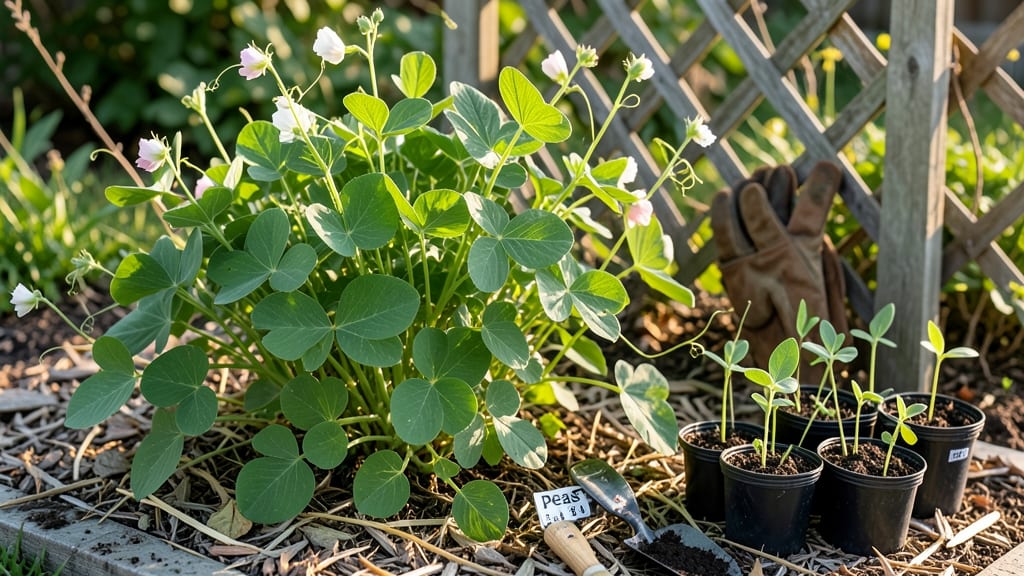
Planting peas at the wrong time in the UK can mean the difference between a bumper harvest and a sad, frost-nipped failure.
The key to fast, sweet peas is knowing exactly when to sow them—whether you're in chilly Scotland or milder southern England—and avoiding those late frosts that strike without warning.
I’ve grown peas for years in the UK, and the fastest way to success is timing your sowing right: early spring (February–April) for a May–July harvest or late summer (August–September) for a late fall feast.
But here’s the catch—some regions can plant weeks earlier than others, and choosing the wrong variety could leave you with bitter, tough pods.
What you’ll discover in this guide is how to match your peas to your location, from frost-tender ‘Meteor’ for early sowings to hardy ‘Douce Provence’ that thrives in cooler months.
Plus, I’ll share my pro tips for soil prep and aftercare that keep your peas growing stronger and faster than ever.
Ready to turn your garden into a pea powerhouse? Let’s get those seeds in the ground at the perfect moment—no guesswork, just guaranteed results.
UK pea planting calendar by region: exact months for best yields
Peas thrive in the UK’s cooler climate, but timing your planting is critical to avoid frost damage and maximize yields. The ideal planting window varies by region—from February in southern England to April in Scotland. Late summer sowings (August-September) also work for autumn harvests, but only in milder areas.
Frost is peas’ biggest enemy—wait until soil temperatures reach 45°F (7°C) before sowing. In England and Wales, this usually aligns with late February to early March, while Scotland and Northern Ireland gardeners should aim for March to April. Use cloche protection if planting early.
Here’s a region-by-region breakdown of the best months to plant peas in the UK, including frost-sensitive varieties and hardy options:
For spring peas, aim to sow 6-8 weeks before your last expected frost date (typically mid-April in most UK regions). This ensures peas mature before summer heat sets in. Late summer sowings (August-September) work best in southern and central England for autumn harvests.
In Scotland and Northern Ireland, where summers are shorter, stick to one main planting in April and choose fast-growing varieties like ‘Sugar Snap’ or ‘Ambassador’. These varieties mature in just 50-60 days, making them ideal for cooler climates.
Always check your local frost dates—the Met Office provides regional forecasts. In urban areas, microclimates can delay frost, so monitor soil temperatures closely. A simple soil thermometer (£10-£15) is worth the investment for precise timing.
Pro tip: Sow peas in succession every 2-3 weeks during the main planting window to extend your harvest. This works especially well for sugar snap peas, which can be harvested continuously for 4-6 weeks.
🌱
How to choose pea varieties based on UK planting time
Selecting the right pea variety for your UK garden is just as important as timing your planting. Different types thrive in specific seasons and regions, so I always match my peas to both climate and harvest goals.
Early varieties like ‘Meteor’ are perfect for February sowings in milder areas, while hardier types like ‘Douce Provence’ handle Scotland’s cooler springs better.
For a spring harvest (May–July), I recommend fast-maturing varieties such as ‘Little Marvel’ (55 days) or ‘Sugar Snap’ (60 days). These are ideal for early sowings in February–March, especially in southern England where frosts are less severe.
In contrast, late-season varieties like ‘Telephone’ (70 days) shine when planted in August for a fall harvest.
Here’s how I decide: Regional climate dictates the variety. In Scotland or Northern Ireland, where springs are colder, I opt for hardy, slow-bolting types like ‘Feltham First’ (65 days).
In Wales or England’s Midlands, I can push earlier sowings with ‘Alderman’ (60 days), a sweet, tender option that resists frost damage.
Don’t overlook disease resistance—especially in damp UK summers. Varieties like ‘Douce Provence’ resist powdery mildew, while ‘Cascadia’ (65 days) handles downy mildew better. I always check seed packets for UK-specific notes on disease tolerance before buying.
For container growing or small gardens, dwarf varieties like ‘Tom Thumb’ (60 days) are my go-to. They don’t need trellises and produce sweet pods in tight spaces. Meanwhile, standard varieties like ‘Hurst Green Shaft’ (70 days) need support but yield heavier harvests for larger gardens.
Pro tip: If you’re sowing late summer (August–September), choose varieties with longer maturity times (70+ days) to beat the first frosts. ‘Telephone’ or ‘Kelvedon Wonder’ (75 days) are my top picks—they’ll give you peas until October!
| Variety | Best Planting Time | Harvest Time | Notes |
|---|---|---|---|
| Meteor | Feb–Mar (early) | May–June | Fast, sweet, frost-tender |
| Douce Provence | Mar–Apr (maincrop) | June–July | Disease-resistant, hardy |
| Telephone | Aug–Sep (late) | Oct–Nov | Late-season, tall |
| Tom Thumb | Mar–Apr (dwarf) | June–July | No trellis needed |
| Feltham First | Feb–Mar (cold areas) | May–June | Hardy, slow-bolting |
Variety choice also depends on your harvest preferences. Shelling peas like ‘Douce Provence’ are great for freezing, while snap peas like ‘Sugar Snap’ are perfect for fresh eating. I always plant a mix—30% shelling, 40% snap, and 30% mangetout—to enjoy peas in every form.
Remember: Seed packets are your best friend. They list UK-specific advice on planting times, frost tolerance, and even regional suitability. I never skip reading them—it’s saved me from wasted seeds and disappointing harvests!