
Plants
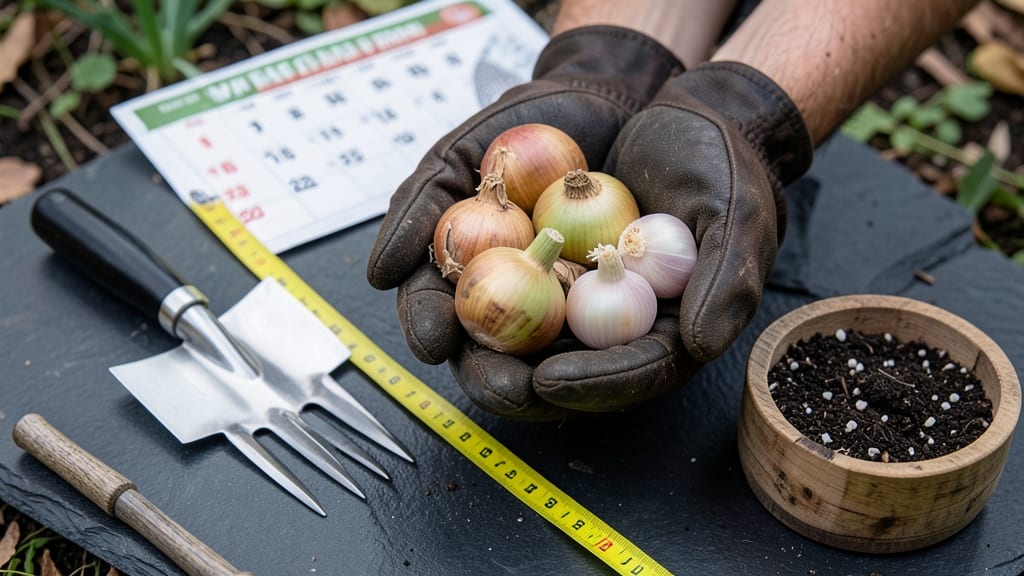
Timing your Spring Flowering Bulbs 🌷 planting in Iowa isn't just about the calendar—it's about outsmarting the state's unpredictable frost dates and soil conditions. Plant too early, and your bulbs might rot before winter; too late, and they won't establish strong roots before the first freeze.
The key lies in understanding Iowa's USDA Zones 5a-5b and when the ground reaches the perfect temperature for root growth.
Most gardeners in Iowa swear by fall planting—between September and October—when soil temperatures hover around 50-60°F. This gives bulbs time to root before the ground freezes, setting them up for a spectacular spring display.
But if you missed that window, don't worry: spring planting (March-April) still works if you time it right, just 4-6 weeks before your last frost date.
Here's the game-changer: Iowa's microclimates mean your neighbor's perfect timing might not work for you. Urban areas like Des Moines can stay warmer longer, while northern Iowa faces earlier freezes.
We'll break down exactly how to adjust your planting schedule based on your specific location, soil type, and even whether you're using raised beds or in-ground planting.
Ready to transform your yard into a 🌷-filled paradise? Let's dive into the exact steps to plant bulbs at the ideal moment for your corner of Iowa—so you can enjoy blooms that outshine the competition.
You'll learn which varieties thrive best in your zone, how to prep your soil, and the common mistakes that even experienced gardeners make.
Iowa’s optimal bulb planting months by USDA Hardiness Zone (with soil temperature rules)
Iowa’s USDA Hardiness Zones 4a–5b create a unique challenge for bulb planting, where soil temperature and frost dates dictate success. Unlike warmer climates, Iowa’s bulbs need precise timing to establish roots before winter or avoid premature sprouting in spring.
The golden rule? Plant when soil temps are between 50–60°F for spring bulbs and 40–50°F for fall varieties.
Most gardeners in Southern Iowa (Zones 5a–5b) aim for mid-September to early October, while Northern Iowa (Zones 4a–4b) should plant by late August to mid-September. These windows ensure bulbs root before the ground freezes, typically around mid-October in the north and late October in the south.
For spring planting, March–April works best if you missed fall—just time it 4–6 weeks before your last frost date. In Iowa, this usually means mid-March in southern areas and late March–early April in the north.
The key is avoiding early planting, which can cause rot in cold, wet soil.
Here’s the soil temperature cheat sheet for Iowa bulbs:
| Bulb Type | Ideal Planting Month | Soil Temp Range | Zone-Specific Notes |
|---|---|---|---|
| Tulips, Daffodils, Hyacinths | September–October (fall) | 50–60°F | Southern Iowa: Sept 15–Oct 15; Northern Iowa: Aug 25–Sept 15 |
| Crocuses, Snowdrops | September–October (fall) | 40–50°F | Hardier; plant earlier in colder zones (Zone 4a) |
| Alliums, Fritillaries | March–April (spring) | 45–55°F | Wait until soil is workable; avoid soggy conditions |
| Summer Bulbs (Dahlia, Gladiolus) | May–June (after last frost) | 60–70°F | Southern Iowa: May 1; Northern Iowa: May 15 |
Pro tip: Use a soil thermometer to check temps before planting—this avoids the guesswork. In Zone 4a (northern Iowa), aim for earlier planting (late August) to beat the freeze, while Zone 5b (southern Iowa) can wait until early October.
Always plant bulbs 3x deeper than their height for winter protection.
Iowa’s frost dates are your best friend. Check your local Almanac’s frost calendar and count backward: 6–8 weeks before first frost for fall planting or 4–6 weeks before last frost in spring. For example, if your first frost hits October 10, plant by mid-August.
Don’t overlook soil drainage—Iowa’s heavy clay soils need amendments like compost or sand to prevent bulb rot. Test your soil’s moisture retention; bulbs hate soggy conditions. If your yard floods in spring, consider raised beds for better control.
For deer-prone areas, plant daffodils (deer-resistant) or use repellents. Deer love tulips and hyacinths, so protect them with chicken wire cages or plant near deer-resistant perennials like lavender or Russian sage.
Timing isn’t just about months—it’s about soil conditions. Wait until the ground is cool but workable (not muddy) and avoid planting if rain is forecasted. A little patience now means vibrant blooms next spring that’ll make your neighbors jealous.
How Iowa microclimates (urban vs. rural, north vs. south) affect bulb success
Iowa’s urban heat islands like Des Moines can delay frost by 1-2 weeks compared to rural areas, while northern counties face earlier freezes. These microclimates mean your tulip planting timing should shift based on whether you're in Zone 5a (northern Iowa) or Zone 5b (southern Iowa).
For example, in Dubuque, aim for September 15-October 1, but in Ottumwa, you might extend until October 15.
Urban gardeners often struggle with warmer soil temperatures from pavement and buildings, which can trick bulbs into sprouting too early. Test your soil with a soil thermometer—ideal planting temps are 50-60°F.
If your soil hits 60°F by September 10, plant daffodils immediately; if it’s still cool, wait until mid-September.
Raised beds solve many microclimate challenges by warming up faster in spring and draining better in clay-heavy soils. In northern Iowa, raised beds can give you 2-3 extra weeks of planting time before winter sets in. Fill them with a mix of compost and sand to improve drainage—critical for bulbs like hyacinths that rot in soggy soil.
| Microclimate Type | Best Planting Window | Soil Prep Adjustments | Key Success Tip |
|---|---|---|---|
| Urban (Des Moines, Cedar Rapids) | September 20 - October 10 | Add organic mulch to cool roots | Use reflective mulch to prevent overheating |
| Southern Iowa (Ames, Iowa City) | September 15 - October 15 | Test for clay soil—amend with compost | Plant early-blooming varieties like crocuses |
| Northern Iowa (Waterloo, Mason City) | September 1 - September 25 | Use raised beds for faster warming | Choose hardy varieties like tulipa tarda |
| Rural Windy Areas (Siouxland) | September 10 - October 5 | Install windbreaks with evergreens | Plant in sheltered borders near fences |
Wind is another microclimate factor that northern and western Iowa gardeners must address. A 4 mph breeze can dry out bulbs before they establish roots. Create windbreaks using evergreen shrubs like thuja or juniper on the north and west sides of your garden.
For small plots, even a bamboo windscreen can make a difference—just ensure it’s 3-4 feet tall.
Southern Iowa’s earlier springs mean you can plant spring-flowering bulbs like hyacinths as early as February in protected microclimates (e.g., near south-facing walls). However, avoid planting before ground temps hit 40°F, or your bulbs may rot.
In northern Iowa, wait until March 15 to minimize frost risk—even if your neighbors start earlier.
Pro tip: Use mulch thickness to fine-tune your microclimate. In urban areas, apply 2-3 inches of straw mulch to insulate bulbs from heat spikes. In rural areas, a thin layer (1 inch) of pine needles helps retain moisture without smothering new shoots.
Adjust based on your local frost patterns—check the Iowa State Climate Summary for your county’s historical data.