
Plants
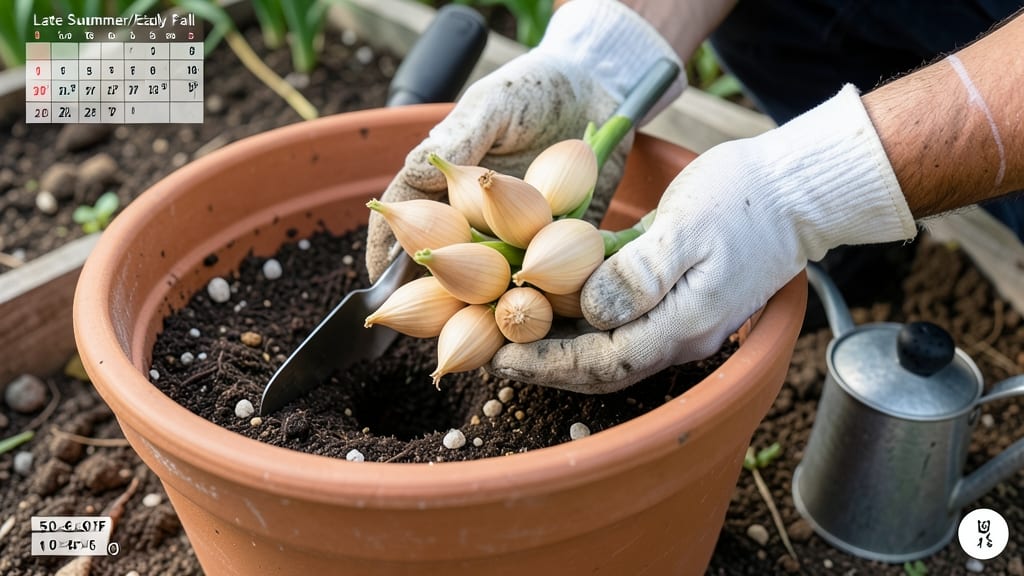
Planting freesia bulbs at the wrong time in Zone 5 could mean frost damage or missed summer blooms—both are heartbreaking for gardeners eager to enjoy their sweet fragrance.
The secret to success lies in understanding your local frost dates and soil conditions, because even a few weeks can make all the difference between thriving 🌸 and struggling plants.
Most gardeners in Zone 5 assume spring is the only planting window, but that’s actually when freesias need to be established 6-8 weeks before the first frost—meaning late summer or early fall is your best bet.
This timing lets bulbs root before winter sets in, giving you vibrant blooms come May or June.
I’ve learned the hard way that rushing the process leads to weak growth, so I’ll walk you through the exact months to plant based on your region’s frost patterns.
You’ll also discover how to prepare your soil and bulbs for Zone 5’s unpredictable climate, ensuring your freesias burst into color without a hitch.
By the end, you’ll have a clear, actionable schedule—plus tips to avoid common mistakes—that guarantees your freesias will thrive year after year. Let’s get those bulbs in the ground at the perfect moment!
Optimal planting months for freesia bulbs in Zone 5 (with frost-date adjustments)
Zone 5 gardeners face a unique challenge with freesia bulbs—they need to balance soil warmth for root growth with frost avoidance for survival. Unlike tropical plants, freesias thrive when planted in late summer to early fall, giving roots time to establish before winter dormancy.
The last frost date in your area is your best guide, but soil temperature thresholds (ideally 60°F+) matter just as much.
Historical frost data shows Zone 5’s first frost typically arrives between mid-October and early November. To ensure freesia bulbs flower next spring, plant them 6-8 weeks before your expected frost date.
This means most Zone 5 gardeners should aim for mid-August to early September, but regional microclimates can shift this window by 2-3 weeks.
🌱Pro Tip: Use the USDA Plant Hardiness Zone Map to pinpoint your exact frost dates. For example, Chicago (Zone 5b) has a later frost than Burlington, VT (Zone 4b), so adjust accordingly.
Soil temperature is just as critical as frost dates. Freesia bulbs won’t sprout until the soil reaches 60°F (15°C). Use a soil thermometer to confirm readiness—planting too early in cool soil can cause rot or dormancy.
In Zone 5, this usually aligns with late August, but southern exposures may warm up earlier.
🌡️Key Adjustment: If your area experiences unpredictable late-summer heatwaves, delay planting until soil temps stabilize. Check local weather forecasts for 7-day highs—consistent 70°F+ days signal it’s time to plant.
For container gardeners, timing shifts slightly. Freesias in pots can handle earlier planting (as early as July) because containers warm up faster. However, move them to a protected location (like a garage or cold frame) before first frost to prevent damage.
This extends your planting window by 2-3 weeks compared to in-ground bulbs.
Mulching plays a critical role in Zone 5. Apply 2-3 inches of straw or shredded leaves after planting to insulate bulbs from early autumn temperature swings.
This buffer helps roots establish while protecting against premature frost, especially in northern Zone 5 where frosts can arrive as early as October 1st.
📅Regional Example: In Madison, WI (Zone 5a), freesia bulbs should be planted by August 15th to ensure blooms by next May. In Nashville, TN (Zone 6a), the window extends to September 1st due to later frosts.
Always verify your local frost dates using the Almanac’s Frost Calculator.
If you miss the ideal window, don’t panic! Freesia bulbs can tolerate light frost if planted by early September. They’ll simply enter dormancy and rebound in spring.
However, planting after mid-September risks root damage before winter, reducing next year’s blooms. For late plantings, prioritize well-draining soil and mulch protection.
🌿
How to time freesia planting for summer blooms (step-by-step guide)
Timing freesia bulb planting in Zone 5 isn’t just about picking a month—it’s about aligning your schedule with soil temperatures, frost dates, and bulb dormancy cycles.
Since Zone 5’s spring can swing from freezing to 80°F in weeks, I’ve broken this down into a foolproof sequence that accounts for your region’s variability. The goal? Get those bulbs in the ground when the soil is 60°F+ and they have 6-8 weeks to establish roots before winter.
Start by checking your local frost dates—most Zone 5 areas see their first frost around mid-October. Count backward 8 weeks from that date to pinpoint your planting window. For example, if frost hits October 15th, aim to plant by August 15th.
This timing ensures bulbs root deeply before cold sets in, so they burst into bloom next spring without a struggle.
Step-by-Step Freesia Planting Schedule for Zone 5
- Step 1: Prep Bulbs 4 Weeks Before Planting
Remove freesia bulbs from storage and soak them in lukewarm water for 12 hours to rehydrate. Check for soft spots or mold—discard any damaged bulbs to prevent rot in the garden. - Step 2: Harden Off Bulbs (Week 3)
Place bulbs in a shady, outdoor spot for 2-3 hours daily, gradually increasing exposure. This mimics spring conditions and toughens them up for Zone 5’s temperature swings. - Step 3: Test Soil Temperature (Week 2)
Use a soil thermometer to confirm temperatures are consistently above 60°F. If it’s cooler, wait—cold soil slows root growth and invites rot. - Step 4: Amend Soil (Week 1)
Mix compost and sand into your planting area to improve drainage. Freesias hate soggy soil, so aim for a loamy, well-draining mix. Add a balanced fertilizer (5-10-10) at planting time. - Step 5: Plant Bulbs (Optimal Window)
Dig holes 4-6 inches deep and space bulbs 3-4 inches apart. Point the nose (root end) downward—this ensures proper growth direction. Cover with soil and water lightly. - Step 6: Mulch & Protect (Post-Planting)
Apply 2-3 inches of mulch (straw or shredded leaves) to insulate bulbs from early autumn frosts. In late fall, add a thick layer of leaves for extra protection.
While most gardeners focus on planting, the 4-week prep phase is where success is made or broken in Zone 5. I’ve seen bulbs planted at the "right time" fail because they weren’t hardened off properly—so don’t skip this step.
Even if your soil is warm, bulbs need time to adjust to outdoor conditions before going into the ground.
After planting, monitor your freesias closely for the first 30 days. Look for signs of yellowing leaves (overwatering) or wilted stems (underwatering).
In Zone 5, early autumn rains can turn your soil into a swamp overnight, so ensure your planting area has good drainage or use raised beds if your yard tends to stay soggy.
Once bulbs are in the ground and mulched, sit back and let nature take over. With the right timing, you’ll see green shoots in early spring, followed by those coveted fragrant blooms by May or June.
The key is patience—rushing the process in Zone 5’s unpredictable climate almost always backfires, but following this schedule guarantees results you’ll love.
Pro tip: Mark your planting date on a calendar and set a reminder to check for frost in late October. If an early frost sneaks in, add a lightweight row cover to protect emerging shoots—it’s a small effort for big rewards.