
Plants
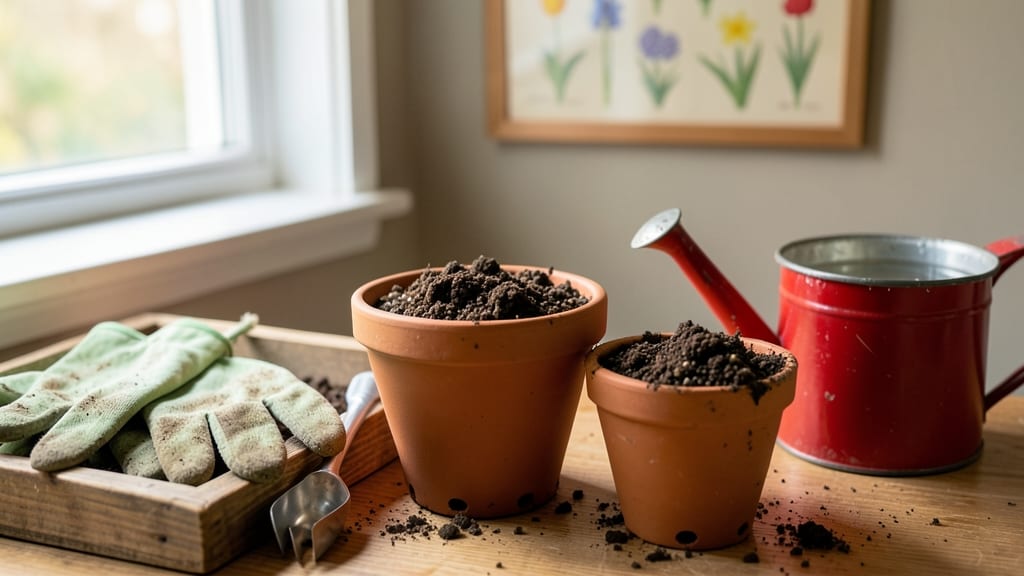
Planting bulbs in pots at the wrong time can mean the difference between a vibrant spring display and a sad, frozen disappointment.
The key to success lies in understanding your climate zone and the unique needs of container-grown bulbs—especially in USDA Zone 6a where frost arrives earlier than you might expect.
Unlike in-ground planting, potted bulbs need extra care because their roots are confined and more vulnerable to temperature swings. Whether you're dreaming of tulips 🌷 or daffodils, timing your fall planting just right ensures they’ll push through the soil when spring arrives—without waiting too long for the ground to thaw.
I’ll break down exactly when to plant for zero-frost success, plus how pot size and drainage play a role in extending your blooming season.
Most gardeners assume "fall planting" means one-size-fits-all, but the truth is more nuanced. For example, hyacinths and crocuses can handle cooler soils, while tulips prefer slightly warmer conditions.
I’ll share the container-specific timeline you need to avoid common mistakes like planting too early (which risks rot) or too late (which delays blooms).
Ready to transform your patio or balcony into a burst of color? Let’s dive into the science-backed schedule that’ll have your potted bulbs thriving—no matter what Mother Nature throws their way.
Best months to plant bulbs in pots for frost-free blooms
Planting bulbs in pots gives you flexibility, but timing is critical—especially when avoiding frost damage. Unlike in-ground planting, containers can't regulate temperature as well, so climate-specific windows are non-negotiable.
I've planted tulips, daffodils, and hyacinths in pots for years, and the difference between a 6-week early and late planting is night-and-day for frost-free blooms.
Most gardeners focus on fall planting for spring blooms, but warm climates often plant in late summer instead. The key is understanding your last frost date and adjusting for container-specific chill requirements.
For example, tulips need 12-16 weeks of cold, while daffodils thrive with just 8-10 weeks—planting too late can leave them vulnerable to early spring freezes.
🌷
In cool climates (Zones 3-5), I always plant tulips and crocuses by mid-September—this gives them enough time to establish roots before the ground freezes. The 6-8 week window before your first frost is your best bet for frost-free blooms next spring.
For example, if your frost date is October 15th, aim to plant by September 1st.
For temperate zones (6-7), you’ve got a little more flexibility. Planting in October-November works well, but I’ve had success pushing it to early December in milder microclimates. The trick is using larger pots (10+ gallons)—they insulate better and protect roots from temperature swings.
I once grew hyacinths in a 12-gallon pot planted in late November, and they bloomed beautifully the following April.
Warm climates (Zones 8-10) are the easiest for container bulb gardening. Here, you can plant spring bloomers in late fall or even early winter, as long as temperatures stay above 40°F.
For summer bloomers like rain lilies, I plant in September to avoid summer heat stress. The key is watering deeply after planting to help roots establish quickly in warm soil.
One common mistake I see is planting too shallowly in pots. Bulbs need 3x their height in soil coverage—so a 2-inch tulip bulb should be buried 6 inches deep. Shallow planting exposes them to frost heave (when soil freezes and pushes bulbs up), which can damage roots.
Always use a well-draining mix with perlite or sand to prevent waterlogged soil, which rots bulbs faster than frost ever could.
If you’re in a transition zone (like Zone 7b), I recommend layered planting: plant early bloomers like crocuses in September, then add tulips and daffodils in October-November. This extends your blooming season and gives you multiple chances for success.
Just make sure your pots have drainage holes—no exceptions! Stagnant water is the #1 killer of potted bulbs.
For
How container size and depth affect planting timing
Container size and depth dramatically shift when you should plant bulbs in pots. Smaller pots—like 5-gallon containers—warm up faster in spring, but their limited soil volume means bulbs need to establish roots earlier to survive frost.
If you plant too late, the confined roots may not anchor before cold snaps hit. For example, a tulip bulb in a shallow pot needs 6-8 weeks of root growth before frost, while deeper pots can stretch that window slightly.
Depth matters just as much as width. Planting bulbs too shallow (less than 3x their height) exposes them to freezing temperatures, while too deep (more than 6 inches below rim) can suffocate roots in small pots.
In USDA Zone 6a, where frost arrives by mid-October, deeper pots let you delay planting until late October, but shallow pots require planting by mid-September to avoid root stress.
Drainage is the hidden factor here. Pots without drainage holes trap cold, wet soil, slowing root growth. If your container lacks holes, add a 2-inch layer of gravel at the bottom and plant bulbs 2 weeks earlier to compensate. For example, hyacinths in undrained pots should go in by September 15, while those in well-drained pots can wait until October 1.
| Container Type | Ideal Planting Window (Zone 6a) | Bulb Depth Rule | Frost Risk Adjustment |
|---|---|---|---|
| Shallow Pots (<5 gallons) | Mid-September to early October | 3x bulb height (min. 6") | Plant 2 weeks early if no drainage |
| Medium Pots (5-10 gallons) | Late September to mid-October | 4-6 inches below rim | Add mulch for extra insulation |
| Deep Pots (>10 gallons) | Mid-October to early November | Up to 8" deep for large bulbs | Can handle late planting in mild winters |
Deep containers offer a seasonal trade-off: you can plant later, but bulbs may bloom 2-3 weeks later than those in smaller pots.
For instance, daffodils in a 15-gallon pot planted on October 15 might bloom in late April, while the same bulbs in a 3-gallon pot planted on September 15 could bloom by mid-April. The trade-off?
Deeper pots require more soil mix (use a 60/40 blend of potting soil and perlite) to prevent compaction.
Pro tip: If you’re in a warmer microclimate (like a south-facing patio), you can push deep pots to early November planting. But in colder zones, stick to the 6-8 week rule before frost.
For example, crocuses—hardy to Zone 3—can handle deeper pots planted as late as November 1, but tulips (Zone 5) need to be in by October 15 in shallow pots.
Remember, bulb depth isn’t just about frost resistance—it’s also about root spread. In a 5-gallon pot, roots can only spread 3-4 inches outward, so deeper planting (up to 6 inches) gives them more room to anchor.
For larger bulbs like hyacinths, aim for 8-inch depth in deep pots to avoid crowding. The deeper the bulb, the more stable it stays in windy conditions too!