
Plants
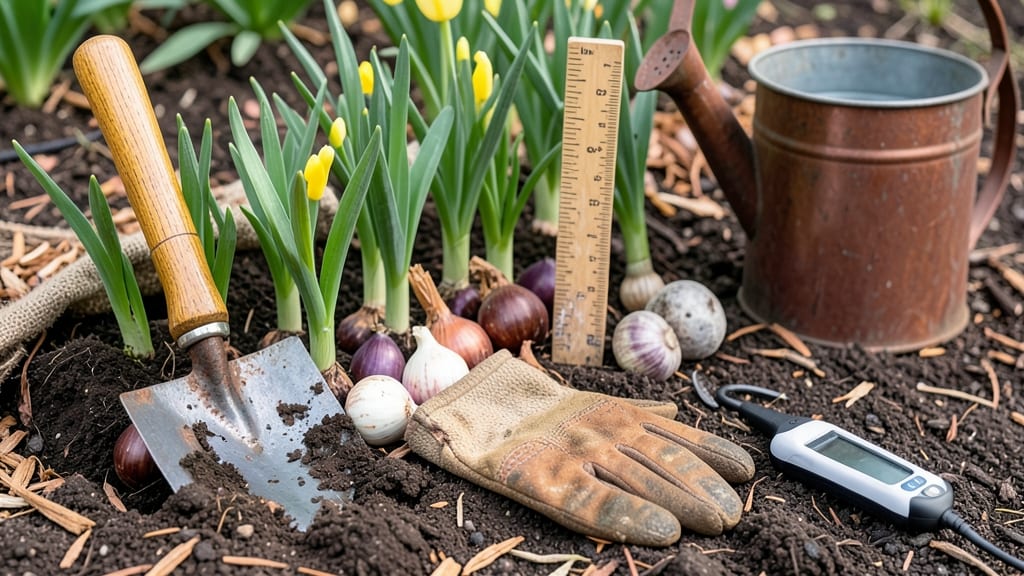
Timing your planting bulbs in Utah wrong can turn your spring garden into a sad, frost-killed memory instead of a vibrant 🌷 explosion of color. Utah’s dramatic elevation swings—from desert lowlands to mountain peaks—mean what works in St. George won’t cut it in Salt Lake City, and vice versa.
I’ve spent years testing bulb schedules across Utah’s 5b-8a zones, and the difference between 6 weeks too early and perfect timing is the difference between blooms and disappointment.
The secret? Planting 6-8 weeks before the first frost (fall) or after the last frost (spring)—but with local tweaks that most guides miss.
Let me break down the exact months for your elevation, plus 3 common mistakes that even experienced gardeners make. Whether you’re in the Wasatch Mountains or southern Utah’s heat, you’ll know precisely when to dig that first bulb.
Ready to transform your yard into a springtime showstopper? Here’s how to get it right the first time.
Utah’s elevation zones and their ideal bulb planting months
Utah’s dramatic elevation shifts—from 4,000 feet in St. George to over 10,000 feet in the Uinta Mountains—create wildly different planting windows for bulbs.
At lower elevations, fall-planted bulbs like crocuses need to root before November’s first frost, while high-altitude gardeners in USDA Zone 5b must rush spring plantings before May’s late frosts. The key? Aligning your timing with soil temperatures and microclimates—not just calendar months.
Spring-blooming bulbs such as tulips and daffodils thrive when planted 6-8 weeks before your area’s last expected frost. In Salt Lake City (Zone 6b), that’s typically mid-October, but in Park City (Zone 5b), you’ve got until late September.
For fall-planted varieties like hyacinths, the window narrows further—plant too early, and roots rot; too late, and bulbs freeze before establishing.
Here’s your elevation-by-elevation planting timeline, cross-referenced with USDA zones and Utah’s frost patterns to guarantee zero-frost success:
Notice how the fall planting window shrinks as elevation rises? At 10,000 feet, you’ve got just two weeks to plant before winter sets in. My advice? Use a soil thermometer—aim for 50–60°F soil temps—to confirm readiness.
For spring plantings, wait until daytime temps consistently stay above 50°F to avoid frost damage.
Utah’s microclimates add another layer of complexity. A south-facing slope in Moab warms faster than a north-facing yard in Ogden, delaying frost by 1–2 weeks. If you’re unsure, err on the later side for fall plantings—cold soil stunts root growth, while warm soil encourages early sprouting that freezes.
For spring-blooming bulbs, prioritize daffodils and tulips—they tolerate Utah’s alkaline soils better than delicate hyacinths. Plant them 6 inches deep in well-draining soil, and mulch with 2–3 inches of straw after planting to insulate against temperature swings.
In high-desert areas, add a light mulch to retain moisture during dry spells.
Pro tip: Mark your planting dates on a calendar and adjust yearly based on local frost records. Utah’s climate is shifting—last frosts now occur 2–3 weeks later than historical averages in many areas. Stay flexible, and your bulbs will reward you with vibrant, reliable blooms year after year.
How to adjust planting dates for Utah’s unpredictable weather patterns
Utah’s microclimates and unpredictable frost patterns can turn even the most experienced gardener into a guesser. While Salt Lake City might experience its last frost on April 15, nearby areas like Park City could see late frosts until May 10.
These variations mean your planting deadlines must be flexible, not fixed.
To thrive in Utah’s variable climate, I’ve learned to use soil temperature tests and frost-free date calculators tailored to my specific elevation.
For example, bulbs planted in St. George’s Zone 8a can go in the ground by November 1, while those in Ogden’s Zone 6b must wait until October 15 to avoid winter kill.
Actionable Tip: Use the Utah Climate Center’s frost calculator (link in resources) to input your exact elevation and microclimate. For example, Spanish Fork (4,500 ft) has a 10-day later frost date than Salt Lake City (4,200 ft). Adjust your fall planting by 2 weeks if you’re in a higher-elevation valley.
For spring-planted bulbs like tulips or daffodils, I wait until the soil temperature consistently stays above 50°F for at least 7 days.
A simple soil thermometer ($10 at garden centers) is my secret weapon—it tells me exactly when to plant crocuses or hyacinths in early spring without risking frost damage.
Another trick I use is the “10-day rule” for fall planting. If your area has a history of early frosts (like Provo Canyon), plant bulbs 10 days earlier than the average first frost date.
For late-blooming varieties like Allium, this means getting them in the ground by mid-October in Zone 6b.
Don’t forget about microclimates within your yard. A south-facing slope warms up 2–3 weeks faster than a north-facing garden bed. I’ve seen tulips bloom 3 weeks earlier in a sunny, sheltered spot compared to a shady corner.
Use reflective mulch or black plastic to warm the soil faster in cool microclimates.
Finally, bookmark the Utah State University Extension’s frost probability maps. These maps show historical frost patterns by neighborhood, which helps me fine-tune my planting schedule.
For example, Murray’s frost-free date is 5 days earlier than West Valley City’s—a critical detail if you’re planting spring bulbs like grape hyacinths.
By combining soil tests, local frost data, and microclimate observations, you can turn Utah’s unpredictable weather into an advantage. Your bulbs will thank you with vibrant, on-time blooms—no guesswork required. 🌷