
Plants
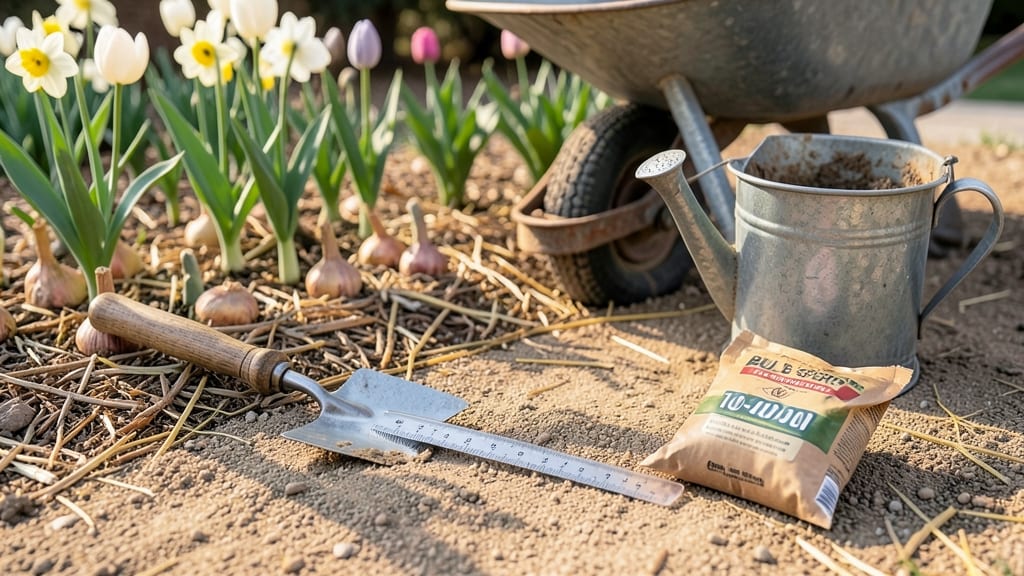
Planting bulbs in Arizona isn’t just about timing—it’s about outsmarting the desert’s unpredictable heat and rare frost to coax those vibrant blooms to life. With Zone 9b’s frost-free winters and scorching summers, most gardeners assume bulbs won’t survive here—but the right strategy turns this challenge into a year-round garden showstopper.
Unlike cooler climates, Arizona’s ideal planting window stretches from October through February, giving bulbs time to root before summer’s relentless sun. But here’s the catch: traditional spring bloomers like tulips and daffodils need a head start, while heat-loving varieties like amaryllis thrive when planted later.
I’ll break down the exact months for each type so you avoid the common mistake of planting too early or too late.
What sets Arizona bulbs apart? It’s not just the timing—it’s the soil prep and watering tricks that keep roots happy without drowning them. From amending sandy soil to shielding spring bulbs from premature heat stress, these desert-specific hacks ensure your 🌱 bulbs don’t just survive, they flourish.
Let’s dive into the step-by-step plan that’s worked for me (and my 365-degree frost-free garden).
Whether you’re in Phoenix’s urban heat island or Flagstaff’s cooler microclimate, this guide covers everything—from pre-cooling bulbs that need a chill to mulching techniques that lock in moisture. By the end, you’ll know exactly when and how to plant for blooms that defy Arizona’s extremes. Ready to transform your garden?
Arizona’s best bulb planting months by type: desert climate deep dive
Arizona’s desert climate throws traditional bulb planting schedules out the window—what works in Zone 5 gardens fails here. Unlike northern climates, we don’t rely on frost triggers but instead time plantings to avoid summer’s brutal heat and occasional winter chill.
The key? Plant when soil temps drop below 65°F and bulbs can establish roots before April’s 100°F+ days arrive.
Your microclimate matters: Phoenix’s Zone 10b allows year-round planting for heat-lovers like amaryllis, while Flagstaff’s Zone 6b can handle traditional fall-planted bulbs with light frost protection. Even Tucson’s Zone 9a demands adjustments—spring bulbs need shade by March, or they’ll bake before blooming.
Pro Tip: Pre-cool bulbs for 6-8 weeks in your fridge’s crisp drawer (35-40°F) before planting. This mimics northern winters and tricks bulbs into thinking they’ve had enough chill—critical for tulips and daffodils that won’t bloom without it.
| Bulb Type | Planting Window | Microclimate Notes | Key Care Tip |
|---|---|---|---|
| Spring-Bloomers (Tulips, Daffodils) | October–December (pre-cooled) | Phoenix: Plant deep (8") for shade; Flagstaff: mulch heavily for frost. | Add bone meal at planting for root boost. |
| Fall-Bloomers (Crocus, Hyacinth) | September–November | Tucson: Plant shallow (4"); avoid rocky soil. | Water deeply once after planting—then nothing until buds appear. |
| Heat-Tolerant (Amaryllis, Paperwhites) | Year-round (best: February–April) | All zones: Full sun; Phoenix: afternoon shade required. | Use cactus soil mix to prevent rot. |
| Summer-Dormant (Rain Lilies, Society Garlic) | October–November | Flagstaff: Protect from late frost; Phoenix: plant deep. | Let foliage yellow naturally—don’t cut back. |
For spring-blooming bulbs like tulips and daffodils, aim to plant by December 1st in Phoenix and Tucson. This gives roots 3 critical months to establish before April’s heat stresses them.
In Flagstaff, you’ve got until mid-November—just mulch with 4–6 inches of straw to insulate against January’s occasional frost.
Fall-planted bulbs (think crocus and hyacinth) thrive when soil temps hit 60°F—typically September–October. These low-chill varieties skip the fridge and bloom winter-to-spring, adding color when desert gardens are dormant. Plant them shallow (4–6 inches deep) so they can push through light winter rains.
Heat-tolerant stars like amaryllis and paperwhites break the rules entirely. Plant them anytime, but February–April gives them a head start before summer’s peak. These bulbs love the heat—just avoid soggy soil and give them bright light. In containers, they’ll rebloom for years with minimal care.
One common mistake? Overwatering. Arizona bulbs rot faster than they bloom if left soggy. After planting, water deeply once, then wait until buds appear before resuming. Drip irrigation on a timer (2x/week) works best—avoid overhead sprinklers, which waste water and spread disease.
Need a quick cheat sheet? Mark your calendar for these 3 key dates:
- October 15: Last chance for spring bulbs in Phoenix/Tucson.
- November 1: Fall bulbs in Flagstaff (add frost cloth if needed).
- February 1: Heat-lovers like amaryllis get planted.
With these adjustments, your Arizona garden can burst with color year-round, from winter crocus to summer amaryllis. The secret? Listen to your microclimate, prep soil like a pro, and plant with purpose—not by calendar.
Critical pre-planting prep for Arizona bulbs: soil, water, and shade hacks
Arizona’s desert soils and extreme temperature swings demand special prep before planting bulbs. Without proper soil amendments, your bulbs risk rot or stunted growth—especially in clay-heavy or rocky terrain.
The key is creating a well-draining, nutrient-rich environment that mimics their natural habitats while protecting them from premature heat stress.
Start by testing your soil’s drainage and pH. Most bulbs thrive in slightly acidic to neutral soil (6.0–7.0 pH), but Arizona’s alkaline soils often need organic matter like compost or peat moss to improve structure.
If your soil is sandy or rocky, mix in coco coir or perlite to retain moisture without suffocating roots.
- Test soil drainage and pH (aim for 6.0–7.0); amend with compost or peat moss if needed.
- Add 1–2 inches of organic mulch (straw or wood chips) to retain moisture and regulate temperature.
- Plant bulbs in raised beds or containers if soil is clay-heavy or waterlogged.
- Water deeply but infrequently (every 7–10 days) to encourage deep root growth.
- Use shade cloth (30–50%) for spring bulbs to protect from premature heat stress.
Watering is where many Arizona gardeners go wrong. Overwatering leads to bulb rot, while underwatering causes weak stems. Aim for deep, infrequent watering—soak the soil every 7–10 days until water drains through the bottom. For spring-blooming bulbs, reduce watering as temperatures rise to prevent premature dormancy.
Shade placement is often overlooked but critical. Spring-blooming bulbs (like tulips and daffodils) need partial shade in late winter to prevent heat stress before they’ve finished blooming. Use dappled shade from trees or lightweight shade cloth (30–50%) during peak afternoon sun.
For summer-blooming bulbs (like amaryllis), full sun is ideal, but mulch heavily to insulate roots.
Mulching is your secret weapon against Arizona’s temperature extremes. Apply 2–3 inches of organic mulch (straw, wood chips, or pine needles) after planting to retain moisture, suppress weeds, and protect bulbs from heat spikes.
Avoid synthetic mulches—they can overheat soil and damage delicate bulb roots. Replenish mulch annually, especially in high-traffic or exposed areas.
Finally, group bulbs by water and shade needs to simplify care. Drought-tolerant varieties (like paperwhites or rain lilies) can handle full sun and minimal water, while tender bulbs (like tulips or hyacinths) need extra shade and consistent moisture.
Plan your garden layout now to avoid mid-season stress when bulbs are most vulnerable.