
Plants
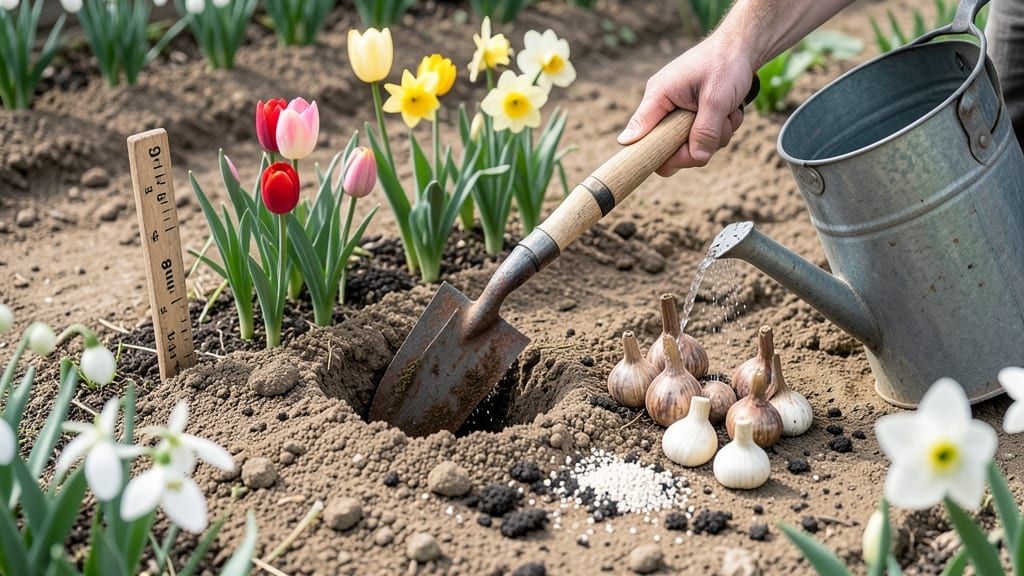
Timing your bulb planting in North Carolina wrong can mean the difference between a show-stopping spring garden and a sad, frost-killed disappointment.
With USDA Zones 6a-8b throwing unpredictable frost dates from the mountains to the coast, guessing won’t cut it—you need a strategy tailored to your exact corner of the state.
Most gardeners know fall is the prime window, but here’s the catch: planting in October works for Raleigh (Zone 7a), while Asheville’s cooler climate demands waiting until November. And if you’re in the coastal plain?
Your schedule might shift even earlier. The key isn’t just the calendar—it’s understanding how your local microclimate plays tricks on frost dates.
I’ve spent years testing what actually works in North Carolina’s varied zones, and the secrets I’m about to share will help you avoid the 5 most common mistakes that kill bulbs before they even bloom.
Whether you’re a first-time gardener or a seasoned pro, these zone-specific tips will ensure your 🌷 tulips, daffodils, and crocuses burst into color right on schedule.
Ready to stop second-guessing and start planting with confidence? Let’s dive into the exact months—and smart adjustments—that will guarantee your bulbs thrive, no matter where you live in the Tar Heel State.
North Carolina’s best bulb planting months by USDA Zone (7a-8b)
North Carolina’s diverse climate means your tulip timing in Zone 7a Raleigh differs dramatically from Zone 8b Wilmington. The key? Planting when soil temps hit 50-60°F—not just following calendar dates.
In the mountains, frost lingers longer, while coastal areas enjoy milder winters. Let’s break down the perfect planting windows for your region to ensure vibrant spring blooms.
For most spring-flowering bulbs like daffodils and hyacinths, fall planting is critical. The rule of thumb: 6-8 weeks before ground freezes. But with NC’s varied frost dates—November 1 in Zone 7a vs. December 15 in Zone 8b—this translates to October-November for the Piedmont and November-December for coastal areas.
Early spring planting (February-March) also works if you miss fall.
In Zone 7a mountain regions like Asheville, aim for mid-October planting. The cooler climate means bulbs need extra time to establish roots before winter. Use a soil thermometer—plant when temps consistently stay below 60°F at night.
For Zone 8b coastal areas, you’ve got more flexibility. Plant daffodils as late as January in Wilmington, but prioritize November-December for tulips to avoid spring rains.
Pro tip: Hyacinths and alliums thrive in Zone 7b’s Piedmont climate. Plant them in early October for a March-April show. The warmer soil speeds up root growth, but don’t wait past November 10—late plantings risk frost damage.
For crocus, which blooms earliest, September planting works in Zone 8a’s milder winters.
Ever wonder why your tulips didn’t bloom? It’s often planting too late or in soft, unfrozen soil. In Zone 7a, bulbs planted after November 15 may not survive winter. Test soil readiness with the finger test: Push your finger into the ground.
If it’s easy to insert 6 inches deep but not muddy, it’s time to plant. Coastal gardeners in Zone 8b can push this to January for some varieties.
Don’t overlook spring planting (February-March) if you missed fall. While not ideal, it works for hardy bulbs like daffodils. In Zone 8b, you can even plant tulips in early February for summer blooms.
The trade-off? They’ll need consistent watering to compensate for the shorter root-establishment window. For best results, pair spring planting with mulch to retain moisture.
Regional microclimates add another layer. A south-facing slope in Asheville warms faster than a north-facing valley, delaying frost by 2-3 weeks. Use this to your advantage: Plant later in slopes and earlier in valleys.
Coastal areas near the Outer Banks often see milder winters, allowing January planting for some bulbs. Always check your local frost maps—they’re more accurate than zone averages.
For fall-planted bulbs, focus on well-draining soil. Sandy soils in coastal zones dry out fast—amend with compost to retain moisture. Clay-heavy Piedmont soils? Mix in sand or perlite to prevent rot. Plant bulbs 3x deeper than their height (e.g.,
How to adjust planting for North Carolina’s microclimates (mountains vs. coastal)
North Carolina’s dramatic elevation changes create microclimates that can shift bulb planting windows by 4-6 weeks. What works in Raleigh’s Zone 7b (planting in early October) may fail in Asheville’s Zone 6b, where frosts arrive earlier. The key? Focus on soil temperature (50-60°F) rather than calendar dates.
In the mountains (e.g., Boone, Waynesville), cooler nights and earlier frosts demand earlier planting—aim for late September when soil hits 60°F. Coastal areas (e.g., Wilmington, Morehead City) can wait until mid-October because milder winters delay frost.
The Blue Ridge Escarpment adds complexity: elevations above 3,000 feet can experience 10°F colder soil temps than valleys just miles away.
| Factor | Mountains (Zone 6a-6b) | Coastal (Zone 8a-8b) |
|---|---|---|
| Planting Window | Late September–early October | Mid-October–November 1 |
| Soil Temp Trigger | 60°F (earlier frosts) | 55°F (later frosts) |
| Frost Risk | High (Nov 1–Dec 15) | Low (Dec 15–Jan 15) |
| Elevation Adjustment | Subtract 1 week per 1,000 ft | Add 1 week for coastal warmth |
| Best Bulbs for Mountains | Daffodils, Crocus, Allium | Tulips, Hyacinths, Snowdrops |
Use a soil thermometer to confirm readiness—bulbs need 6-8 weeks to root before frost. In the Piedmont (e.g., Greensboro, Durham), a hybrid approach works: plant tulips in October (they need chill) but daffodils in November (hardier).
For the Blue Ridge Escarpment, adjust planting dates 1 week earlier per 1,000 feet of elevation gain.
Pro tip: Mulch heavily in mountain gardens (3–4 inches) to insulate bulbs. Coastal gardeners can use less mulch (1–2 inches) since milder winters reduce freeze risk. Always plant bulbs 3x deeper than their height—this protects them from frost heave, a common issue in NC’s freeze-thaw cycles.
If you’re unsure about your microclimate, check the NC State Climate Office for your local frost-free date. For example, Asheville’s average first frost is October 28, while Wilmington’s is December 15. Planting 4–6 weeks before your area’s frost date ensures bulbs establish roots before winter sets in.
Remember: Soil temperature is your best friend. A 50–60°F reading means it’s time to plant, regardless of the calendar. This method works for tulips, daffodils, crocuses, and hyacinths—just adjust timing based on your microclimate. Happy planting! 🌷