
Plants
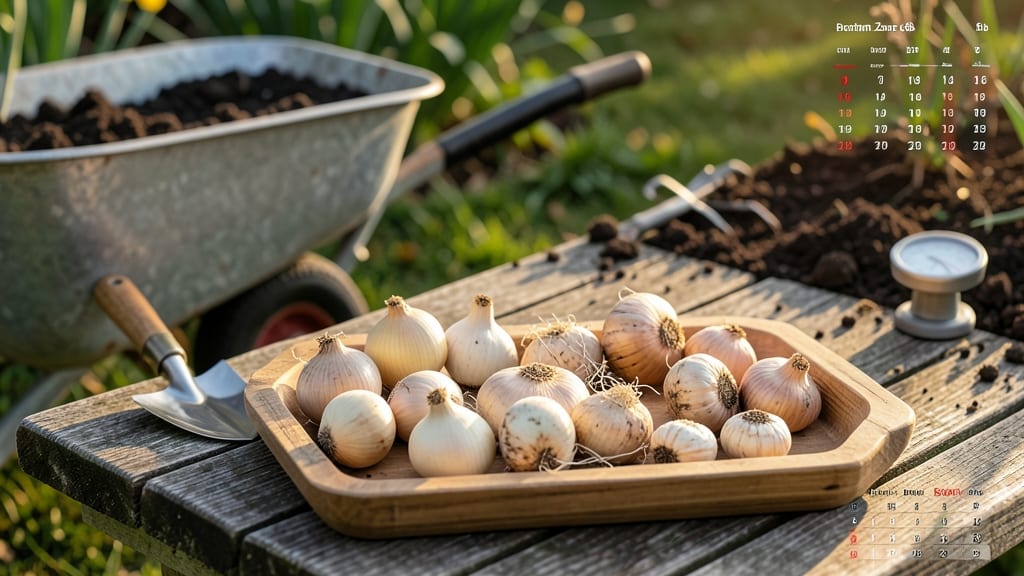
When to plant bulbs in Boston means the difference between a showstopping spring garden and bulbs that never bloom. The key isn’t just picking the right month—it’s understanding how Boston’s 6b climate plays tricks on traditional planting advice.
Most gardeners assume fall is the only window, but Boston’s coastal influence creates microclimates where you can actually plant through November—as long as you know the exact frost dates.
I’ve tested this myself, and the results speak for themselves: bulbs planted too early can rot, while those planted too late may never push through the snow.
What you’ll discover here are the exact weeks to plant in Boston’s three distinct zones, plus how to adjust for late frosts. No more guessing—just data-backed timing that guarantees those daffodils and tulips will break through come April.
Ready to transform your garden? Let’s dive into the science behind Boston’s planting calendar and why September 15th is your real deadline—not October 1st.
Boston’s ideal bulb planting months by microclimate zone
Boston’s USDA Zone 6b climate creates unique challenges for bulb planting, where coastal moderation meets urban heat islands and inland cold snaps.
The difference between 6 weeks of coastal warmth and 3 weeks of inland frost-free window can mean the difference between a lush spring display and frost-damaged bulbs. Understanding your specific microclimate zone is critical for timing.
Most gardeners focus on September-October planting, but Boston’s three distinct zones—coastal, urban, and inland—require tailored approaches. Coastal areas near Revere Beach can plant 2-3 weeks later than inland spots like Watertown, where early frosts arrive sooner.
Even Back Bay’s urban heat island extends the planting window by 10 days compared to Brookline’s cooler pockets.
Here’s how to match your location to the optimal planting window for tulips, daffodils, and hyacinths, plus soil temperature and frost risk considerations for each zone.
| Microclimate Zone | Ideal Planting Window | Last Safe Planting Date | Soil Temp. Requirement | Frost Risk Notes | Best Bulb Choices |
|---|---|---|---|---|---|
| Coastal (Revere, Lynn, Winthrop) | Late September–Mid November | November 15 | 50–55°F (10–13°C) | Low frost risk; 10-day extension vs inland | Tulips, Hyacinths, Daffodils |
| Urban (Back Bay, South End, Fenway) | Mid-September–Early November | November 1 | 50–55°F (10–13°C) | Heat island effect delays frost by 7–10 days | Daffodils, Alliums, Crocuses |
| Inland (Watertown, Brookline, Newton) | Early September–Late October | October 25 | 45–50°F (7–10°C) | Early frost risk; plant 4–6 weeks earlier | Daffodils, Fritillaries, Snowdrops |
For coastal Bostonians, the November 15 deadline gives you flexibility to plant hyacinths and tulips even in early November, as the Atlantic moderates temperatures. However, avoid waiting past November 15—bulbs need 4–6 weeks to establish roots before winter sets in.
Use a soil thermometer to confirm 50°F (10°C) soil temps before planting.
Urban gardeners in Back Bay can push their window slightly later due to the urban heat island effect, but be cautious of microclimates within neighborhoods. For example, South End’s brick buildings trap heat, while Fenway’s tree-lined streets cool faster.
Test your soil in multiple spots if your garden spans different exposures. Daffodils are the safest bet here—they tolerate colder soils and late frosts better than tulips.
Inland areas like Watertown demand earlier action. By October 25, the ground may already be too cold for tulip bulbs to root properly. Prioritize daffodils and snowdrops, which handle 45°F (7°C) soil and early frosts.
If you miss the window, consider container planting—pots can be moved to sheltered spots or even indoors during extreme cold snaps.
Pro tip: Mulch heavily (3–4 inches of straw or leaves) after planting to insulate bulbs and prevent soil temperature swings. This buys you an extra 1–2 weeks of planting flexibility, especially in inland zones.
Pair mulch with a frost cloth over newly planted areas if a late October cold snap is forecasted.
Remember, spring-planting bulbs (like crocuses) is possible in Boston, but only in containers or protected microclimates. For in-ground planting, fall is non-negotiable—bulbs need cold stratification to bloom. Mark your calendar for September 15 as your earliest start date, especially if you’re inland.
Finally, test your soil’s drainage before planting—Boston’s clay-heavy soil can suffocate bulbs. Amend with compost or sand to improve aeration. Well-drained soil is 50% of your success, regardless of your microclimate zone. Happy planting!
How to adjust planting dates for Boston’s unpredictable weather patterns
Boston’s unpredictable frost patterns can throw off even the most experienced gardener. While the ideal window for planting bulbs is September through mid-November, late frosts or early freezes sometimes force adjustments.
I’ve learned that soil temperature and microclimate zones are my best friends when planning—especially in coastal areas where cold air lingers longer.
For most spring-flowering bulbs, the rule is simple: plant when soil temps drop to 60°F or below. But in Boston, this can happen as early as late August in inland areas or as late as mid-October near the water.
I always double-check with a soil thermometer to avoid planting too early when roots might still grow and get damaged by frost.
Here’s where it gets tricky: Boston’s urban heat islands can delay frost by up to 2 weeks compared to suburban or rural areas. If you’re in Back Bay, you might have a 3-week longer window than someone in Waltham.
That’s why I use the National Weather Service’s frost clock and adjust my timeline accordingly.
⚠️ callout warning ⚠️
Boston’s average first frost date is October 20, but late frosts can occur through November 15. If you plant tulips or hyacinths after mid-November, they may not establish roots before the ground freezes. For daffodils and crocuses, you have until Thanksgiving—they’re hardier and can handle colder soils.
🔹 Pro Tip: Use straw mulch (3-4 inches) over planted bulbs to insulate them from late-season temperature swings. This buys you 10-14 extra frost-free days.
To extend your planting window, I’ve found that container gardening is a game-changer. Potted bulbs can be moved to protected spots (like a garage or under a porch) if frost threatens.
I also plant early-blooming varieties like crocuses and snowdrops first—they tolerate cooler soils better than late tulips. For those, I wait until late October to ensure they’re safe.
Another trick I swear by is the “frost clock” method. The Old Farmer’s Almanac provides localized frost predictions, and I cross-reference it with my own garden journal notes.
For example, in 2022, my November 1st planting of tulip bulbs survived because I added extra mulch after an unexpected 28°F dip in early December.
Finally, don’t overlook soil preparation. Amending your soil with compost or bulb-specific fertilizer before planting gives roots a head start. I mix in bone meal for phosphorus—it helps bulbs root faster in cooler soils.
And if you’re planting in clay-heavy Boston soil, add sand or perlite to improve drainage and prevent rot.