
Planting
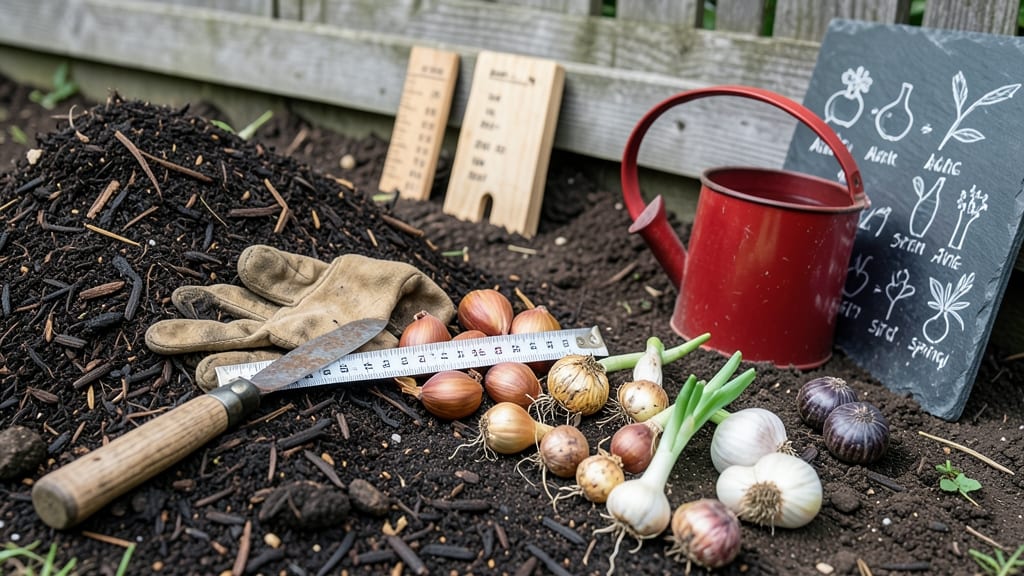
Planting bulbs at the wrong time can mean wasted money and missed spring blooms—but timing them right guarantees a garden full of color. The secret lies in understanding your zone's frost dates, because bulbs need time to root before winter sets in.
In USDA Zone 6a, like many gardeners, you've got a narrow window of just 6-8 weeks before the first frost to get them in the ground.
Most gardeners assume spring planting is the way to go, but for hardy bulbs like daffodils and tulips, fall is actually the ideal time. Why? Because cool soil temperatures signal bulbs to stop growing and enter dormancy, protecting them from winter's harshest freeze.
If you miss that window, don't worry—spring planting still works, but with a 4-6 week buffer before your last frost date.
I’ve learned the hard way that rushing the process leads to weak or no blooms. The key is preparing your soil with compost, planting at the right depth, and keeping them consistently moist until roots establish.
Whether you're a first-time gardener or a seasoned pro, mastering these timing tricks will transform your garden into a springtime showstopper.
Ready to get started? Let’s break down the exact months for your zone, plus pro tips to ensure your bulbs thrive year after year. Your future spring garden will thank you!
Best months to plant bulbs by USDA hardiness Zone (with exact dates)
Planting bulbs at the wrong time can spell disaster—frost damage, rot, or weak blooms. The key is understanding your USDA zone and local frost dates.
Most spring-blooming bulbs (like tulips and daffodils) need a 6-8 week cold period to flower, while fall-planted varieties (such as hyacinths) must establish roots before winter. Let’s break down the exact planting windows for your zone to guarantee vibrant spring displays.
For cool climates (Zones 3-5), fall planting is critical—aim for 6-8 weeks before your first frost. In milder zones (6-8), you can plant as late as November or even early December, but avoid planting too close to winter.
Spring planting is an option in Zones 9-11, where winters are mild, but bulbs may need chilling treatment to bloom reliably.
Here’s the comparison table with exact planting dates by zone, including adjustments for late-season frost risks:
| USDA Zone | Fall Planting Window (Spring Bloomers) | Spring Planting Window (Tender Bulbs) | Key Adjustments for Frost-Prone Areas | Example Bulbs |
|---|---|---|---|---|
| Zones 3-4 | September 15 - October 15 | April 1 - May 15 | Plant 4-6 weeks before first frost. Use thick mulch (4-6") in late fall. | Tulips, Daffodils, Crocuses |
| Zones 5-6 | October 1 - November 1 | March 15 - April 30 | Extend window to November 15 if soil stays workable. Avoid planting after first hard frost. | Hyacinths, Alliums, Snowdrops |
| Zones 7-8 | November 1 - December 15 | February 15 - March 30 | Plant tender bulbs (e.g., Dahlias) after last frost. Use row covers in late fall. | Tulips, Lilies, Fritillaries |
| Zones 9-10 | December 1 - January 31 | January 15 - February 28 | Most bulbs planted in winter. Pre-chill bulbs for 8-10 weeks at 40°F. | Canna Lilies, Gladiolus, Caladiums |
| Zone 11 | Not recommended | Year-round (with chilling) | Use grow lights or refrigeration for 6-8 weeks before planting. | Tropical Water Lilies, Amaryllis |
In Zones 3-5, where winters are harsh, prioritize fall planting—this gives bulbs time to root before the ground freezes. For example, in Zone 4, planting tulips by October 15 ensures they’ll bloom next spring.
If you miss the fall window, spring planting is your backup, but bulbs may take 1-2 years to flower.
For Zones 6-8, the window stretches later into fall, but avoid planting when soil temps drop below 40°F. In Zone 7, you can plant hyacinths as late as December 1, but add extra mulch to insulate them.
In Zone 8, where winters are mild, some bulbs (like daffodils) can even be planted in early winter.
In Zones 9-11, fall planting isn’t ideal—most bulbs need a cooling period to trigger blooming. Instead, plant in late winter (January-February) and pre-chill bulbs for 6-8 weeks at 40°F. For tropical bulbs (like canna lilies), plant after the last frost in spring and treat them as annuals.
Pro tip: Check your local frost dates using the USDA Plant Hardiness Zone Map or a frost calendar for your city. Planting 6-8 weeks before the first frost is your safest bet for fall-planted bulbs, while spring-planted bulbs should go in 4-6 weeks before your last frost.
Remember, soil temperature matters more than air temperature. Use a soil thermometer to confirm temps are between 40-50°F before planting. If the ground is too cold or frozen, bulbs won’t root properly and may rot. For late-season adjustments, monitor weather forecasts and adjust your planting timeline accordingly.
Finally, mulch heavily after planting (especially in Zones 3-6freeze-thaw cycles. A 4-6 inch layer of straw or leaves can make all the difference in frost-prone areas. With
How soil temperature and frost dates affect bulb planting success
Most gardeners focus on calendar months when planting bulbs, but the real secret to success lies in soil temperature and your local frost dates. Bulbs need time to develop roots before winter sets in—ideally, they should establish roots when soil temps are between 40-50°F.
This window ensures they’re strong enough to survive freezing temperatures without rotting or drying out.
In USDA Zone 6a, where I garden, soil temperatures drop below 50°F around mid-October. That’s why I always aim to plant spring-blooming bulbs like tulips and daffodils by early October.
Waiting until November risks weak root growth, leading to poor blooms or no flowers at all the following spring.
Your local frost-free window is another critical factor. If your first frost typically hits on October 15th, count backward 6-8 weeks to determine your planting deadline. For example, in my area, that means planting by early September to give bulbs enough time to root before winter.
| Condition | Ideal Range | Action Needed |
|---|---|---|
| Soil Temperature | 40-50°F | Plant bulbs when soil reaches this range |
| First Frost Date | 6-8 weeks before | Plant bulbs to allow root establishment |
| Last Frost Date | 4-6 weeks before | Spring planting window for late bloomers |
| Watering After Planting | Consistent moisture | Keep soil damp until roots establish |
If you’re unsure about your local frost dates, check the USDA Plant Hardiness Zone Map or use a frost calendar from your local cooperative extension office.
Many regions also provide frost-free date averages—for example, my area has about 165 frost-free days, which helps me plan both fall and spring planting.
One common mistake is planting too early when soil is still warm. Bulbs planted in 70°F+ soil may sprout prematurely, only to be killed by an early frost.
To avoid this, I always test soil temperature with a soil thermometer before planting. If temps are above 50°F, I wait a few weeks.
For tropical bulbs like cannas or dahlias, the rules are different—they need to be planted after the last frost when soil is consistently warm. These bulbs can’t tolerate freezing, so I always wait until mid-May in my zone to avoid frost damage.
Understanding these exceptions makes all the difference in your garden’s success.