
Plants
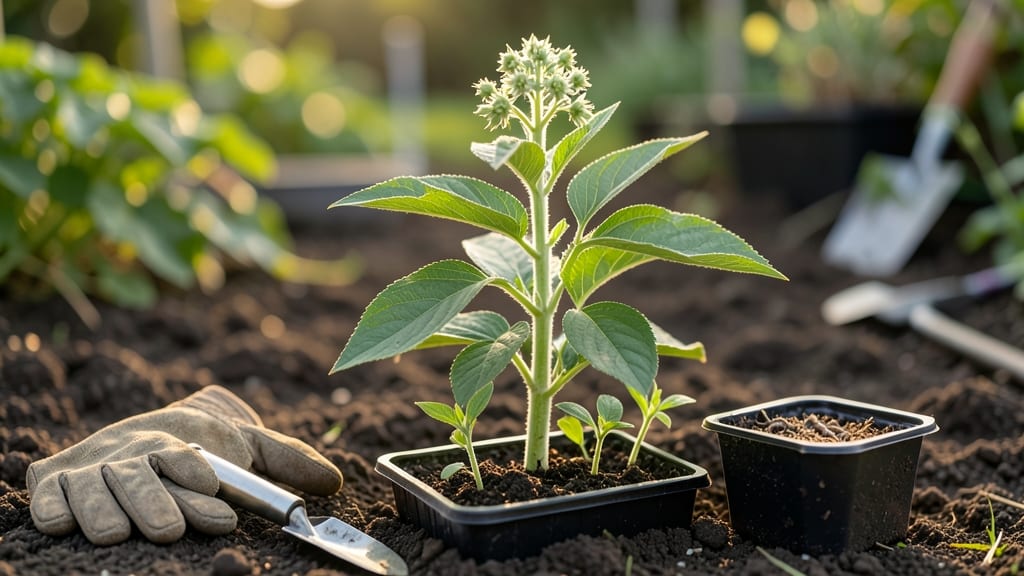
Planting buckwheat in North Carolina at the wrong time can mean the difference between a fast, bountiful harvest and struggling plants that never reach their potential.
This hardy summer crop thrives in NC's 6b-8a zones, but timing is everything—especially when you want that 60-day growth cycle to work in your favor.
Most gardeners in North Carolina focus on late spring to early summer (April-June) for their buckwheat 🌾, but there's a secret second window in late summer (August-September) that many miss.
Whether you're growing it for grain, cover crop, or forage, getting the timing right means avoiding frost damage while maximizing those golden-brown seed heads by harvest season.
I'll show you exactly when to plant based on your specific NC region—whether you're in the mountains, Piedmont, or coastal plain—so you can align your schedule with soil temperatures and frost-free dates.
No more guessing games about whether your buckwheat will make it to harvest or get nipped by an early frost.
Ready to grow buckwheat that actually thrives? Let's dive into the precise planting windows that will give you the fastest, most reliable growth possible in North Carolina's diverse climate.
North Carolina buckwheat planting zones: exact dates by region
North Carolina’s diverse climate—from the humid Coastal Plain to the cooler Mountains—means buckwheat planting dates vary by 1000 feet of elevation. For optimal germination (50-55°F soil temp), align your schedule with your USDA zone (7b-8a) and local frost patterns.
Here’s how to pinpoint the best planting windows for your region.
In the Coastal Plain (Zone 8a), where summers are long and humid, buckwheat thrives when planted April 15–May 15 for summer harvests. The Piedmont (Zone 7b) has a shorter growing season, so aim for May 1–June 1 to avoid early fall frosts.
Meanwhile, mountain regions (Zone 7b) should wait until May 15–June 15 when soil warms consistently.
| Region | USDA Zone | Last Frost Date | Ideal Planting Window | Soil Temp Threshold | Harvest Window |
|---|---|---|---|---|---|
| Coastal Plain | 8a | March 15–April 1 | April 15–May 15 | 50–55°F | July–August |
| Piedmont | 7b | March 1–March 15 | May 1–June 1 | 50–55°F | July–September |
| Mountains | 7b | April 1–April 15 | May 15–June 15 | 50–55°F | August–September |
| Urban Heat Islands | 7b–8a | Adjust by -7 days | April 1–May 1 | 50–55°F | June–August |
For urban heat islands (like Raleigh or Charlotte), plant 7–10 days earlier than listed—concrete and pavement accelerate soil warming. Use a soil thermometer to confirm 50–55°F before sowing; cooler soils delay germination by 3–5 days.
In elevation zones above 3000 ft, delay planting by 2–3 weeks to avoid early frosts.
Buckwheat’s fast growth (60–75 days) makes it ideal for succession planting. In the Coastal Plain, sow a second crop in late July for a fall harvest. In the Mountains, limit late-season plantings to August 1 to ensure maturity before first frost (Oct 15).
Always plant after frost warnings have passed—even a light freeze can stunt young seedlings.
Adjust for organic soil prep if using compost-heavy beds. Warmer soil speeds germination, so black plastic mulch can advance planting by 10–14 days in cooler zones. Monitor moisture levels—buckwheat needs consistent watering during germination but tolerates drought once established. A drip irrigation system ensures even moisture without overwatering.
Pro tip: Use cover crop buckwheat in late summer (August) to suppress weeds and improve soil health before winter. It thrives in poor soils and doesn’t compete with fall crops.
For grain harvests, prioritize full-sun locations (6+ hours) to maximize yield. Shade-tolerant varieties like ‘Kyushu’ can handle partial shade but yield 20–30% less.
Track your local frost-free dates using the NC State Climate Office or a frost calendar app. In Zone 8a, you might squeeze in two harvests per year, while Zone 7b gardeners focus on one robust crop.
Always plant after May 1 in the Mountains to avoid late spring frosts—even a 28°F night can kill seedlings.
For container growing, use 5-gallon pots and plant 2 weeks earlier than ground plantings—containers warm faster. In clay-heavy Piedmont soils, amend with compost to improve drainage and prevent root rot.
Buckwheat’s shallow roots benefit from mulch, which retains moisture and suppresses weeds. Apply straw mulch after germination to keep soil cool and moist.
Remember: Timing beats perfection. Even a 1-week delay can reduce yields by 1
Microclimate adjustments: when to plant for fastest growth in NC
North Carolina’s diverse landscapes—from the Coastal Plain to the Appalachian Mountains—create unique microclimates that demand tailored planting strategies for buckwheat. In flood-prone areas like the Lumber River basin, I adjust my schedule to sow seeds 2-3 weeks earlier to capitalize on warmer spring soils before summer rains arrive.
Meanwhile, in the high-desert-like zones of the Blue Ridge Escarpment, I delay planting until mid-May to avoid late frosts that linger longer at higher elevations.
Soil preparation also varies dramatically. Organic gardeners in the Piedmont region often start soil amendments 6 weeks before planting to boost microbial activity, while conventional growers in the Sandhills may rely on synthetic fertilizers applied just 1 week prior.
The key is matching your method to your local soil’s moisture retention and nutrient availability.
- Flood-Prone Areas: Plant March 15-April 1 (Coastal Plain) to avoid waterlogged soils. Use raised beds if drainage is poor.
- High-Elevation Zones: Delay until May 15-June 1 (Mountains) when soil temps consistently exceed 60°F.
- Organic Soil Prep: Add compost 6 weeks pre-planting and mulch with straw to retain moisture in clay-heavy soils.
Before planting, I always verify local readiness using this simple 3-step checklist: First, check your last frost date via the NC State Climate Office’s frost maps. Second, test soil temperature with a soil thermometer—buckwheat needs 50-55°F for germination.
Finally, monitor weekly rainfall forecasts to avoid planting during prolonged wet spells, which can stunt seedling growth.
For urban gardeners in Raleigh or Charlotte, heat islands can push planting dates 1-2 weeks earlier than rural areas. I recommend planting late April in these zones, but always scout for Japanese beetles—a common pest that thrives in urban heat.
A quick neem oil spray before flowering can prevent damage.
In sandy soils like those found along the Outer Banks, I increase irrigation frequency to every 3-4 days during germination. These soils dry out quickly, and buckwheat’s shallow roots need consistent moisture. Mulching with pine straw helps retain humidity while suppressing weeds.
Remember, buckwheat’s 60-75 day growth cycle means timing is everything. By aligning your planting with your local microclimate, you’ll ensure a bountiful harvest—whether you’re growing it for grain, cover crop, or pollinator support. Start with these adjustments, and watch your buckwheat flourish!