
Plants
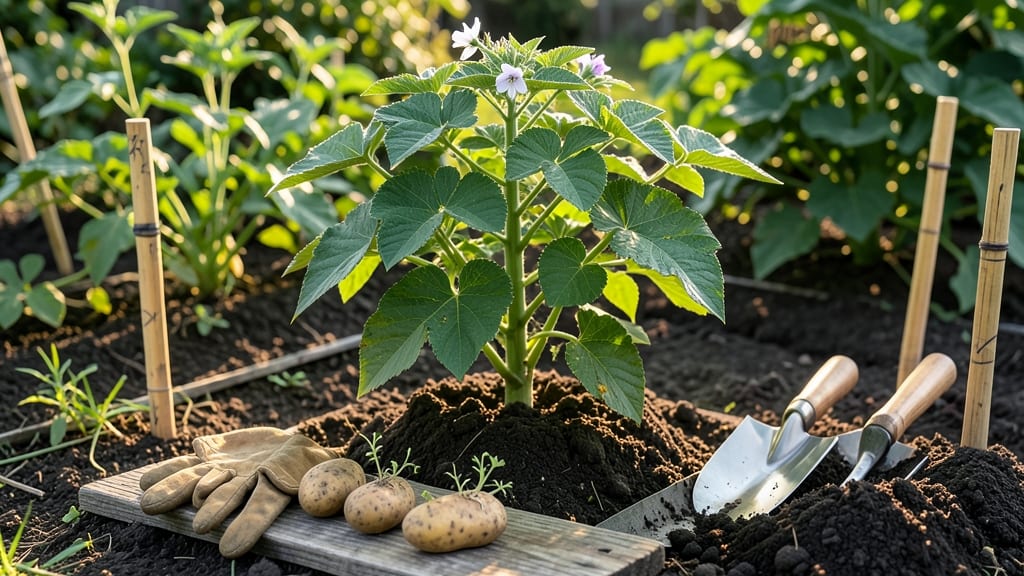
Planting potatoes at the wrong time in North Carolina can mean the difference between a bountiful harvest and a sad, bolted mess in your garden. If you’ve ever watched your spuds send up flowers instead of growing tubers, you know how frustrating timing can be.
Here’s the secret: soil temperature is the real game-changer, not just the calendar. In zones 7a-8b, waiting until the ground hits 45°F–55°F ensures strong roots and zero wasted effort. But with NC’s unpredictable spring weather, knowing exactly when to plant—whether it’s early March or late July—can save your crop.
I’ll break down the best windows for your region, how to test soil temp like a pro, and which varieties thrive in NC’s heat and humidity. No more guessing—just a foolproof plan for maximum yield every season.
Ready to dig in? Let’s get those 🥔 growing right the first time.
North Carolina potato planting calendar: exact dates by region for maximum yield
North Carolina's diverse climate means your potato planting dates should vary by region to avoid premature bolting or missed harvests. The Coastal Plains, Piedmont, and Mountain regions each have unique frost patterns and growing seasons that dictate the perfect window for planting.
Getting this right can mean the difference between a bountiful harvest and wasted seed potatoes.
For Coastal Plains gardeners (USDA zones 8a-8b), your last frost typically arrives by mid-March, giving you an earlier start than inland areas. Meanwhile, Mountain region growers (zones 6a-7a) often wait until late April before the threat of frost passes.
The Piedmont falls somewhere in between, with ideal planting windows spanning from early March to mid-April.
Here's how to align your planting schedule with North Carolina's three distinct growing regions to maximize your potato yield and avoid common pitfalls like early bolting or late-season diseases:
| Region | USDA Zone | Last Frost Date | Ideal Planting Window | Summer Planting Window | Harvest Window |
|---|---|---|---|---|---|
| Coastal Plains | 8a-8b | Mid-March | Early March to early April | Late July to early August | June to early July (spring) / Sept-Oct (summer) |
| Piedmont | 7a-7b | Late March | Mid-March to mid-April | Late July to mid-August | Late June to July (spring) / Sept-Oct (summer) |
| Mountain | 6a-7a | Late April | Late March to late April | Mid-August to early Sept | Late June to August (spring) / Oct (summer) |
In the Coastal Plains, where soils warm up faster, you can begin planting as early as February 15 if you're using black plastic mulch to protect young plants. This early start gives you a 60-day head start on Mountain region gardeners.
For all regions, aim to have your seed potatoes sprouting by the time soil temperatures reach 45°F—any warmer, and you risk bolting.
Don't overlook summer planting, which works surprisingly well in North Carolina. Planting in late July or August gives you a second harvest just as fall approaches. The key is choosing early-maturing varieties like 'Red Pontiac' that can complete their life cycle before the first frost.
This strategy is especially valuable in the Mountain regions, where growing seasons are shorter.
For Piedmont gardeners, the most critical factor is soil temperature rather than calendar dates. Use a soil thermometer to confirm temperatures are consistently above 50°F before planting.
If your soil warms up quickly in early March, go ahead and plant—just be prepared to use frost cloth if a late freeze threatens. The Piedmont's moderate climate makes it ideal for staggered planting every two weeks for continuous harvests.
One common mistake I see is planting too late in the Mountain regions. While the last frost might be in late April, waiting until May means your harvest window shrinks dramatically.
Instead, plant your first batch in late March using row covers to protect from late frosts. This gives you a full 100-day growing season before fall frosts arrive in mid-October.
Remember that soil preparation is just as important as timing. Work in compost or well-rotted manure 2-3 weeks before planting to give your potatoes the nutrient boost they need. In heavy clay soils common in the Coastal Plains, consider adding sand or peat moss to improve drainage.
Well-drained soil prevents rot and scab diseases that can ruin your harvest.
For gardeners in all regions, mark your calendar for June 1 as your first harvest deadline for spring plantings. This gives you time to replant if needed or switch to summer vegetables like beans or squash.
In the Mountain regions, aim to have your last harvest completed by October 15 to avoid winter kill of stored potatoes.
Soil temperature tricks to prevent potato bolting in NC’s unpredictable climate
North Carolina’s unpredictable spring can turn your potato planting plans upside down. One day it’s freezing, the next it’s 70°F—leaving you scrambling to avoid bolting (those unwanted flowers that steal energy from your tubers).
The key? Soil temperature matters more than air temperature, and mastering it means the difference between a bountiful harvest and wasted seed potatoes.
Potatoes need consistent soil temps between 45°F and 55°F to grow strong roots before sprouting. If the ground warms too quickly, your plants will bolt instead of producing tubers.
In NC’s USDA zones 7a-8b, this often means waiting until late March or even early April—even if the air feels spring-like. But how do you know for sure when it’s safe to plant?
⚠️ WARNING: Don’t Plant Too Early!
Planting potatoes in cold soil below 40°F stunts growth, while soil above 60°F triggers bolting. Use a soil thermometer (only $10!) to check temps at 4-inch depth—the depth where roots will form. In NC’s Piedmont, aim for mid-March to early April; Coastal areas can plant 2-3 weeks earlier.
Testing soil temperature is easier than you think. Grab a soil thermometer (or even a candy thermometer) and insert it 4 inches deep—that’s where your potato roots will grow. Check it in the morning when temps are coolest.
If it’s below 45°F, wait a few days. If it’s above 55°F, you’re in bolting danger zone. Pro tip: Shade cloth over freshly planted beds can buy you 1-2 weeks if the ground heats up too fast.
What if the soil is already too warm when you’re ready to plant? Don’t panic! Try these emergency tricks:
- Plant deeper (6 inches instead of 4) to escape the warm top layer.
- Use black plastic mulch to absorb heat and protect tubers.
- Water heavily before planting to cool the soil temporarily.
For summer planting (July-August), the rules flip. Aim for soil temps below 70°F to avoid stress. In NC’s heat, this often means planting in the late afternoon or using drip irrigation to keep soil cool.
Varieties like ‘Red LaSoda’ handle heat better than ‘Yukon Gold’, so choose wisely for your region.
Remember: Patience pays off. Rushing into the garden when the soil is too cold or too warm is a fast track to bolting. With a soil thermometer and these tricks, you’ll time your plantings perfectly—no more wasted seed potatoes or sad, flowering vines.
Your future harvest (and dinner table) will thank you!