
Plants
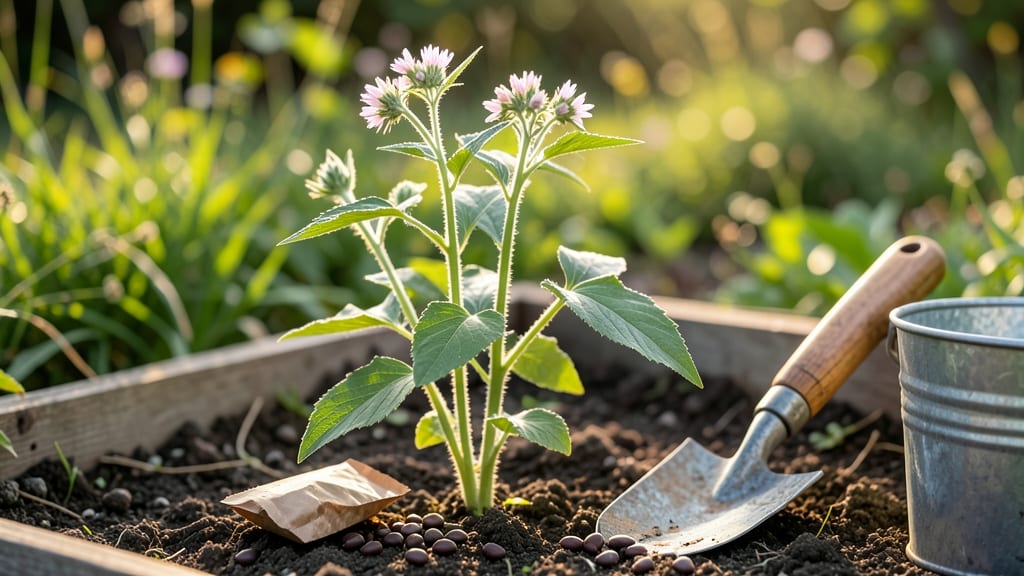
Planting buckwheat in Michigan isn’t just about timing—it’s about catching that 4-week window before frost turns your fast-growing cover crop into a sad, stunted mess.
This hardy annual thrives when sown between late May and early July, but if you wait too long, you’ll miss the sweet spot for golden-brown seed heads and soil-saving benefits.
Why does this matter? Buckwheat grows fast—too fast, even—so planting it too early risks bolting before harvest, while late plantings struggle to mature before Michigan’s first frost.
The key is aligning your schedule with soil temperatures (at least 60°F) and regional frost dates, whether you’re in the Upper or Lower Peninsula.
I’ve tested the best planting strategies in USDA Zones 5-6, and the results are game-changing: proper spacing, soil prep, and variety selection can mean the difference between a lush cover crop and a flop.
Let me walk you through the exact steps to maximize your buckwheat’s potential—no guesswork, just proven techniques.
From seed to harvest in just 30–60 days, buckwheat is the ultimate fast-track solution for improving soil health and even attracting pollinators. But timing is everything—so let’s get you planting at the perfect moment to make the most of Michigan’s short growing season.
Michigan buckwheat planting timeline: exact dates for optimal growth
Buckwheat thrives in Michigan’s short growing season, but planting too early or late can ruin its 30–60-day growth cycle. The ideal window is late July to early August, ensuring it matures before the first frost—typically mid-October in most regions.
This fast-growing cover crop needs 60–70°F soil temperatures to germinate quickly, so timing is critical.
Michigan’s Upper Peninsula has a shorter season (USDA Zone 5), while the Lower Peninsula (Zone 6) offers a few extra weeks. Adjust your planting date based on your microclimate—northern gardens should plant 2 weeks earlier than southern areas to avoid frost damage.
Buckwheat’s rapid germination (5–7 days) and drought tolerance make it perfect for Michigan’s variable summer weather. However, planting too late risks immature seeds before frost. Aim for a 4-week pre-frost window to ensure full maturity and soil enrichment.
Here’s how Michigan’s regional frost dates impact buckwheat planting:
For double-cropping, plant buckwheat in early July after harvesting early-season crops like radishes or lettuce. This maximizes soil coverage before frost. If using it as a fall cover crop, stick to the late July window to avoid competing with other plants.
Check your local Michigan State University Extension frost maps for precise dates. Even a 2-week delay can mean the difference between a thriving cover crop and one that fails to mature. Use a soil thermometer to confirm temperatures are above 60°F before planting.
Pro tip: If your area experiences unpredictable late-summer heat, opt for shade-tolerant varieties like ‘Kyusei’ to prevent bolting. Plant in partial shade if temperatures exceed 90°F for extended periods.
Buckwheat’s quick growth makes it ideal for succession planting in Michigan. If you miss the July window, consider container growing on a sunny patio—just ensure containers are at least 6 inches deep and well-draining.
Always test your soil pH before planting. Buckwheat prefers slightly acidic to neutral soil (pH 6.0–7.0). Amend with compost or lime if needed, but avoid over-fertilizing—buckwheat thrives in lean soils and can even grow in poor conditions.
How to prepare buckwheat seeds and soil for Michigan’s short growing season
Michigan’s cool summers and variable frost dates mean buckwheat seeds need perfect conditions to germinate quickly—typically within 5–7 days. Start by testing your soil’s pH level (ideal: 5.5–6.5) and loosening the top 6 inches to improve drainage.
Buckwheat thrives in well-draining soil but struggles in waterlogged areas, common in Michigan’s clay-heavy regions.
Before planting, mix in 2–3 inches of compost or aged manure to boost organic matter. Avoid fresh manure, which can burn tender buckwheat seedlings. If your soil is sandy or poor, add a light layer of peat moss to retain moisture without compacting.
This prep ensures your buckwheat gets the nutrient kick it needs to grow aggressively in Michigan’s short 30–60-day window.
For seed preparation, soak buckwheat seeds in lukewarm water for 12–24 hours before planting to jumpstart germination. This is especially helpful in Michigan’s cooler July temperatures, which can slow early growth.
Plant seeds ½ inch deep and 1 inch apart in rows spaced 12–18 inches apart. Thinning isn’t usually needed—buckwheat self-thins as it grows.
After planting, mulch lightly with straw or grass clippings to retain moisture and suppress weeds. Avoid heavy mulch, which can smother young seedlings. Water deeply but infrequently—buckwheat is drought-tolerant once established but needs consistent moisture during germination.
Aim for 1 inch of water per week, delivered in the early morning to prevent fungal issues.
🌱