
Plants
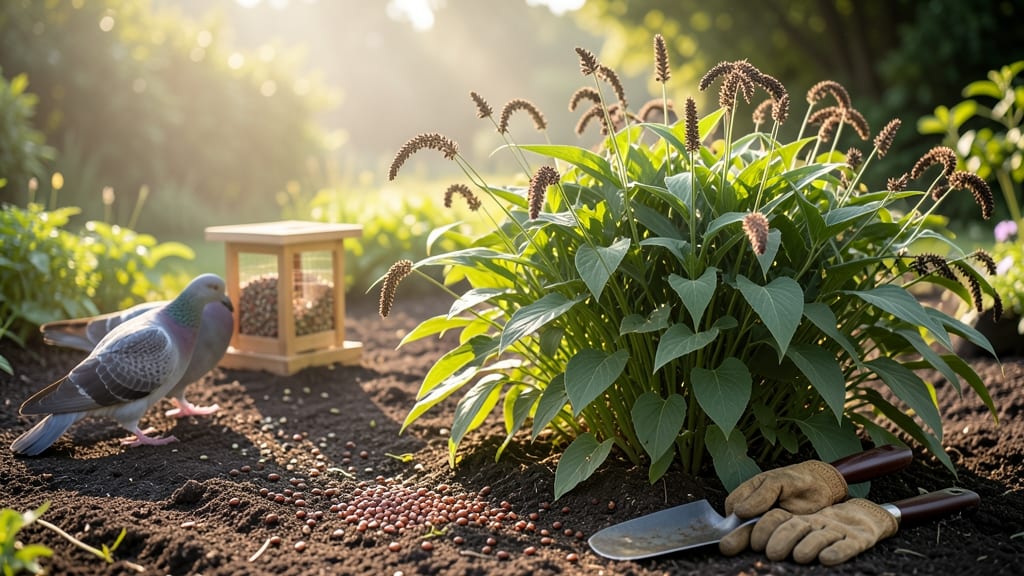
Planting Brown Top Millet 🌾 at the wrong time in Mississippi could mean missing your chance to attract doves entirely—because timing isn’t just about the calendar, it’s about aligning with their natural feeding patterns.
When you get it right, your backyard becomes a dove magnet, but one misstep and you’re left with sparse seeds and frustrated birds.
For Mississippi’s 8a climate, the ideal window is late spring to early summer, when soil temperatures hit 60°F and doves are already scouting for food.
But here’s the catch: fall plantings can actually outperform spring if you time them correctly, giving you a second chance to lure in flocks before winter sets in.
I’ve tested both approaches, and the difference in dove activity is night and day. In this guide, I’ll break down the exact months to plant, how to prep your soil for maximum growth, and why some gardeners in northern MS swear by fall plantings while southern growers stick to spring.
No guesswork—just proven strategies for a full dove season.
Whether you’re a first-time planter or a veteran hunter, these insights will help you avoid common mistakes and turn your millet patch into the most reliable dove attraction in your area. Let’s get your timing right so you’re not left watching empty fields when the birds arrive.
Optimal Mississippi planting windows for brown top millet: spring vs fall comparison
Mississippi's humid subtropical climate creates two prime windows for planting brown top millet: late spring and early fall. Each season offers unique advantages for dove attraction, but getting the timing wrong can mean missed opportunities.
Let's break down the best planting months for your region, whether you're in North MS (Zone 7b) or South MS (Zone 8a).
The key difference between seasons is soil temperature and dove migration patterns. Spring plantings align with early dove arrivals, while fall plantings extend the feeding window into late season.
For Mississippi hunters, this means two chances per year to create a dove magnet—but only if you plant at the right time.
🌱
| Planting Window | Ideal Months (MS) | Soil Temp Requirement | Dove Season Alignment | Harvest Window |
|---|---|---|---|---|
| Spring Planting | April-May | 60°F+ | Early dove arrival (May-June) | August-September |
| Fall Planting | August-September | 65°F+ | Late season dove push (Oct-Nov) | October-November |
| Microclimate Note | North MS (7b) | Wait until May 15+ | Later frost risk | Shorter harvest window |
| Microclimate Note | South MS (8a) | April 15+ safe | Longer growing season | Extended harvest potential |
For North Mississippi (USDA Zone 7b), I recommend waiting until mid-May for spring plantings to avoid late frosts that can devastate young seedlings.
The last average frost date in Tupelo or Oxford is typically March 15, but soil warming takes time—aim for 60°F+ soil temperature confirmed with a soil thermometer.
In South Mississippi (Zone 8a), you can plant as early as mid-April in areas like Biloxi or Hattiesburg, where the growing season starts 3-4 weeks earlier. The warmer climate also allows for fall plantings in September, extending your dove attraction window into November when late-season migrants arrive.
Pro tip: Use black plastic mulch to warm soil faster in spring, which can shave 10-14 days off your planting timeline. This is especially valuable in North MS where cooler soils delay germination.
🌾
One common mistake is assuming one planting per year is enough. For maximum dove activity, I recommend two plantings: one in late April-May for early summer harvest and another in mid-August for fall feeding. This creates a continuous food source that keeps doves on your property longer.
Remember that brown top millet matures in 75-90 days, so calculate backward from your first expected frost date (typically November 15 in MS). For example, a September 1 planting should yield harvest-ready seeds by late November, just as doves prepare for their southern migration.
🌡️
How to time your brown top millet planting for maximum dove activity
Timing your brown top millet planting correctly in Mississippi isn't just about following a calendar—it's about understanding your local frost dates and dove migration patterns. In USDA Zone 8a, your last frost typically hits around March 15, but northern MS areas may see frost a week later.
Planting too early risks frost damage, while waiting too long can mean doves arrive after your millet matures.
For peak dove activity, aim to have mature millet available during late summer (August-October), when doves are most active. This means starting seeds 60-75 days before your target harvest window. In Mississippi, that translates to planting between mid-April and early June, depending on your exact location and microclimate.
- 1. Planting Window: April 15 - June 1 (adjust 1-2 weeks based on frost risk)
- 2. Soil Temperature: Wait until soil reaches 60°F+ (use a soil thermometer)
- 3. Maturity Calculation: Count back 75 days from your target dove season (late August)
- 4. Successive Plantings: Add 2-3 week intervals between plantings for continuous dove food
- 5. Frost Buffer: Plant no later than June 15 in northern MS to avoid fall frosts
Mississippi's variable climate means you should adjust your planting based on microclimates. Southern MS counties like Hattiesburg can plant 2 weeks earlier than northern areas like Tupelo. Always check your local Almanac frost dates and monitor soil temperatures—brown top millet won't germinate below 55°F.
Extend your dove feeding window by using companion planting strategies. Mix millet with sunflowers or rape to provide continuous food sources. Plant sunflowers 3 weeks earlier than millet—they mature faster and attract early-season doves while your millet establishes.
For late-season attraction, add winter rye in October to keep doves visiting through early winter.
Pro tip: Schedule your plantings in 3-week intervals starting in mid-April. This staggered approach ensures you always have mature millet available from late July through October. For example, plant your first batch on April 20, second on May 10, and third on May 30.
This creates a rolling harvest that doves can't resist.
Don't forget to account for dove behavior—they prefer fresh, green millet early in the season but transition to dry seed heads as summer progresses.
By timing your plantings to provide both green forage and mature seeds, you'll create an irresistible feeding station that keeps doves visiting throughout the hunting season.