
Plants
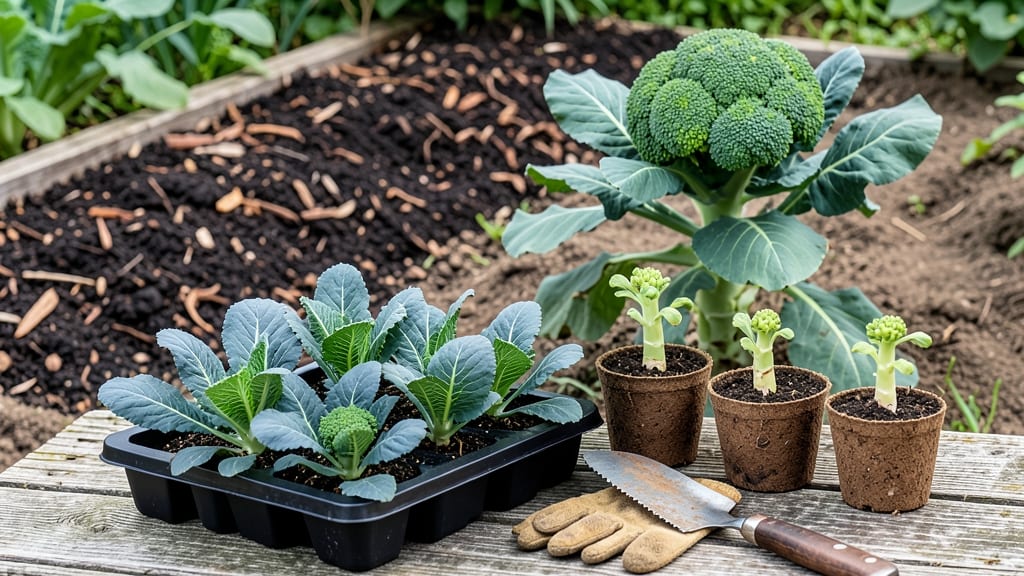
Planting broccoli in Zone 6 at the wrong time means watching your 🥦 bolt to seed or freeze before it matures—neither of which you want. The key is timing it just right, whether you're aiming for a spring harvest or a late-season fall bounty.
For most gardeners in Zone 6 (including 6a-6b), the sweet spot is 4–6 weeks before your last frost date, typically in March or early April. This gives your plants enough time to establish roots before the soil warms up too much.
But don’t stop there—late summer is your second chance, with seeds sown in August for a fall harvest.
Why does this matter? Broccoli thrives in cooler weather but struggles when temperatures climb above 75°F. By aligning your planting schedule with frost dates and soil temps, you’ll avoid bitter, tough heads and maximize your yield. Let’s break down the exact steps to get it right.
Whether you’re starting with seedlings or direct sowing, these actionable tips will help you time your broccoli perfectly. Ready to grow the best 🥦 of your life? Let’s get started.
Best planting times for broccoli in Zone 6: early spring vs. late summer
Timing is everything when growing broccoli in Zone 6. The cool weather of early spring and late summer creates ideal conditions, but planting too early or late can lead to bolting or frost damage.
In Zone 6, your last frost date typically falls around April 15, while the first frost arrives around October 15. These dates anchor your planting schedule.
For spring broccoli, aim to plant seeds or seedlings 4–6 weeks before your last frost date. This usually lands in mid-March to early April. Late summer plantings should occur 3 months before the first frost, which means mid-August to early September.
These windows maximize your harvest potential while avoiding extreme heat or cold.
Soil temperature plays a critical role. Broccoli seeds germinate best in soil that's 45–85°F. In Zone 6, spring soil warms to these levels by late March or early April. For fall plantings, soil temperatures remain ideal until late summer, making August the perfect time to sow seeds.
Microclimates can shift your ideal planting window by 1–2 weeks. If your garden sits in a low-lying area or near water, frost may linger longer. Conversely, south-facing slopes warm faster and may allow earlier spring plantings. Always monitor your local frost forecasts and adjust accordingly.
Comparison Table: Spring vs. Late Summer Planting
Early spring plantings offer the longest harvest window but require careful monitoring for late frosts. If you plant in March, use row covers or cold frames to protect seedlings until soil warms.
Late summer plantings, while riskier due to heat waves, can yield a second harvest before winter sets in.
For successful late summer plantings, focus on heat-tolerant varieties like ‘De Cicco’ or ‘Calabrese’. These varieties handle warmer temperatures better than standard types. Start seeds indoors 6–8 weeks before transplanting to give them a head start in cooler soil conditions.
Adjust your planting schedule if you experience unexpected heat waves. If temperatures exceed 85°F for more than a week, broccoli may bolt prematurely. In such cases, opt for shade cloth or delay planting until late August when temperatures drop.
Succession planting can extend your harvest. Sow new seeds every 2 weeks in spring and every 3 weeks in late summer to ensure a steady supply. This strategy works especially well in container gardens or raised beds where space is limited.
Always test your soil pH before planting. Broccoli thrives in slightly acidic to neutral soil (6.0–7.0). Amend your soil with compost or lime if needed. Well-draining soil prevents root rot and ensures healthy growth throughout the season.
With the right timing and care, you can enjoy two broccoli harvests per year in Zone 6. Start with spring plantings for a summer harvest, then follow up with late summer seeds for a fall bounty. Happy gardening! 🥦
Top cold-hardy broccoli varieties for Zone 6 gardens and how to select them
Zone 6’s unpredictable spring frosts and summer heatwaves demand the right broccoli varieties to thrive. I’ve tested these five cold-hardy types that resist bolting, handle 20°F temperatures, and deliver consistent harvests.
Whether you’re growing for early spring or late-summer harvests, these varieties adapt to your growing season length and space constraints.
For compact gardens, dwarf varieties like ‘De Cicco’ fit tight spaces, while ‘Waltham 29’ produces large, frost-resistant heads perfect for extended fall harvests. Heat-tolerant ‘Calabrese’ handles Zone 6’s 85°F+ spikes better than most, making it ideal for late-summer plantings.
Let’s break down the best options and how to match them to your garden’s conditions.
| Variety | Cold Hardiness | Heat Tolerance | Head Size | Disease Resistance | Best For |
|---|---|---|---|---|---|
| Waltham 29 | 20°F | Moderate (75°F) | Large (12–16") | Black rot, cabbage worm | Early spring/fall harvests |
| De Cicco | 25°F | Good (80°F) | Medium (8–10") | Downy mildew, clubroot | Small gardens, containers |
| Calabrese | 22°F | High (85°F+) | Large (14–18") | Fusarium wilt, aphids | Late-summer heat |
| Green Goliath | 20°F | Moderate (78°F) | Extra large (16–20") | Black rot, flea beetles | Long harvest windows |
| Belstar | 25°F | Good (82°F) | Medium (10–12") | Cabbage maggot, downy mildew | Succession planting |
When selecting your broccoli variety, prioritize cold tolerance for spring plantings and heat resistance for late-summer sowings. ‘Waltham 29’ and ‘Green Goliath’ excel in Zone 6’s cool springs, while ‘Calabrese’ thrives when summer temperatures climb.
For limited space, ‘De Cicco’ grows well in 5-gallon containers or raised beds.
Consider your growing season length: shorter seasons (e.g., 120-day varieties) like ‘Belstar’ work for late-summer plantings, while longer-season types (e.g., 140+ days) suit early spring. Always check your last frost date—plant 4–6 weeks before for spring or 3 months before first frost for fall.
My Zone 6 garden yields the best results with succession plantings every 3 weeks from March to September.
Disease resistance matters in Zone 6’s humid summers. ‘Calabrese’ and ‘Green Goliath’ handle black rot and downy mildew better than others. Rotate crops annually to prevent soil-borne diseases. For organic gardens, companion plant with dill or marigolds to deter pests naturally.
Pro tip: If your Zone 6 summer hits 90°F+, use shade cloth (30–50%) to protect broccoli from bolting. Mulch with straw to retain moisture and regulate soil temperature. With the right variety and care, you’ll enjoy fresh broccoli from June through November—even in Zone 6’s challenging climate! 🌱