
Plants
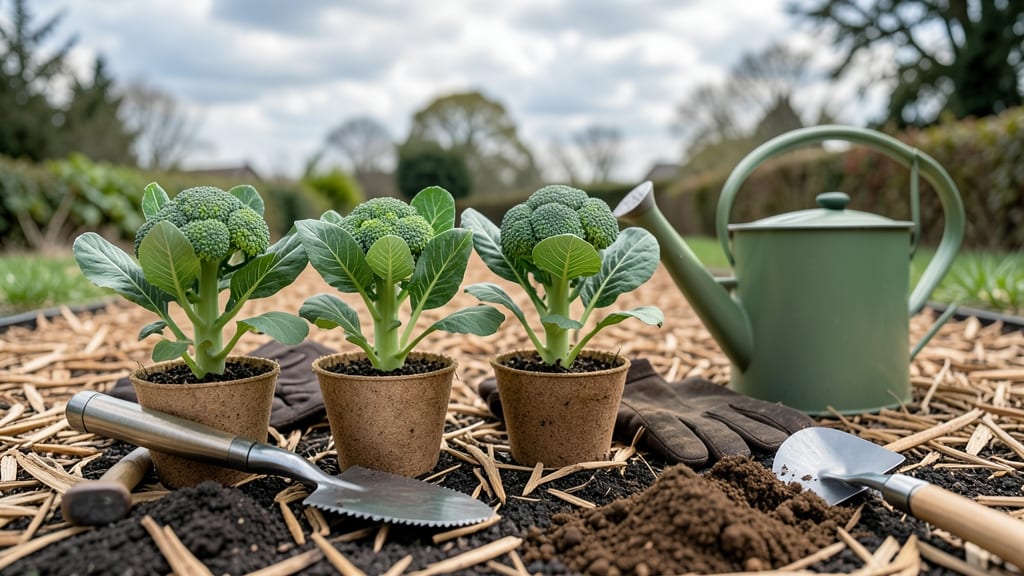
Planting broccoli in Kansas at the wrong time can mean the difference between a thriving garden and a sad, frost-nipped disappointment. The 5b-7a zones demand precision—too early, and your 🥦 sprouts will bolt; too late, and you’ll miss the sweet, tender harvest window entirely.
I’ve spent years perfecting my Kansas garden, and the secret isn’t just about dates—it’s about understanding how your zone’s last frost (typically April 15 in 5b or April 5 in 7a) shapes your planting strategy.
Whether you’re aiming for a spring harvest in June or a fall bounty in October, timing is everything.
In this guide, I’ll break down exactly when to plant—from seed-starting indoors for an early edge to direct sowing in the optimal March 15–April 30 window. You’ll also learn how to adjust for Kansas’ unpredictable weather, so you can beat frost and enjoy broccoli all season long.
Ready to grow your best crop yet? Let’s dive into the zone-specific schedule that’ll have your broccoli thriving from spring to fall.
Broccoli planting calendar for Kansas: best start dates by hardiness Zone
Kansas gardeners face unique challenges with its variable climate—from late spring frosts in Zone 5b to early autumn chills in Zone 7a. Timing your broccoli planting correctly ensures healthy transplants and abundant harvests.
Whether you're starting seeds indoors or transplanting young plants, knowing your last frost dates and ideal transplant windows is key to success.
Broccoli thrives in cool weather and can tolerate light frosts, making it perfect for spring and fall planting in Kansas. For spring harvests, plant 4-6 weeks before your average last frost date.
For fall harvests, aim for 90-100 days before the first frost. Below, I’ve broken down the best planting windows for each Kansas hardiness zone.
Pro Tip: Use row covers or cold frames to extend your growing season in Zone 5b, where late frosts are common. This can push your spring transplant window back by 2-3 weeks.
| Zone | Last Frost Date | First Frost Date | Spring Planting Window | Fall Planting Window | Harvest Time |
|---|---|---|---|---|---|
| Zone 5b | April 15 | October 20 | March 15 - April 15 | August 1 - September 1 | June - July / October - November |
| Zone 6 | April 1 | October 15 | March 1 - April 15 | July 30 - August 30 | May - June / September - October |
| Zone 7a | March 25 | October 10 | February 20 - March 30 | July 15 - August 15 | April - May / September - October |
In Zone 5b, where late frosts are more common, I recommend starting broccoli seeds indoors by February 15 for early transplants. This gives seedlings a head start before the last frost date of April 15.
For Zone 7a, you can push your spring planting even earlier, with some gardeners sowing seeds as early as February 20.
Fall planting is equally critical for a second harvest before winter sets in. In Zone 5b, aim to plant by August 1 to ensure your broccoli matures before the first frost on October 20.
For Zone 7a, you have a slightly longer window, but don’t wait past August 15 to avoid bolting or bitter flavors from heat stress.
Variety Selection Matters: Choose fast-maturing varieties like ‘De Cicco’ for fall plantings, as they can go from seed to harvest in just 50-60 days. This is especially useful in Zone 6, where the growing season is shorter. Slower varieties like ‘Waltham 29’ are better suited for spring plantings in all zones.
Always monitor your local frost dates using resources like the Kansas State University Extension or Almanac’s Frost Calculator. These tools provide real-time updates and help adjust your planting schedule if unexpected cold snaps occur.
A 5-day delay in frost can mean the difference between a successful harvest and lost plants.
For container gardening, use 5-gallon pots and plant 4-6 weeks earlier than your zone’s recommended window. Containers warm up faster in spring and cool down quicker in fall, so adjust your schedule accordingly.
Always use well-draining soil with a pH of 6.0-7.0 to prevent clubroot disease, which is common in Kansas.
Finally, remember that broccoli loves cool weather but struggles in extreme heat. If temperatures rise above 85°F, your plants may bolt prematurely. Use shade cloth during peak summer months to protect your fall crops and extend their productivity.
How to extend your broccoli growing season in Kansas
Kansas’ unpredictable frosts and short growing windows can make broccoli cultivation challenging, but with the right strategies, you can enjoy fresh harvests from spring to fall. I’ve learned that succession planting and season-extending tools are game-changers for beating frost and maximizing your yield in zones 5b-7a.
The key is to stagger plantings and use protective measures like row covers or cold frames to shield tender seedlings. In my garden, these methods have added 4-6 weeks to both spring and fall harvests—meaning I get two full crops instead of one!
- 📅 Succession Plant: Sow seeds every 2-3 weeks from March 15 to May 1 for continuous harvests.
- 🛡️ Use Row Covers: Protect seedlings with floating row covers to extend spring planting by 3-4 weeks.
- 🏡 Cold Frames: Start seeds indoors 6-8 weeks before last frost for early transplants.
- ⏳ Fast Varieties: Choose ‘De Cicco’ (50 days) or ‘Waltham 29’ (60 days) for quick harvests.
- 🌾 Fall Planting: Sow seeds August 1–September 15 for October harvests before frost.
For spring plantings, I start with succession sowing every 10-14 days beginning in mid-March. This ensures a steady supply of tender broccoli heads from June through July. The trick is to space your plantings so that as one batch matures, another is just ready to harvest.
In fall, I rely on row covers to push my last planting into early September. These lightweight fabrics act like a mini greenhouse, trapping heat and shielding plants from early frosts.
I’ve even had success with a cold frame over my most precious seedlings, allowing me to harvest into November in zone 5b.
Don’t overlook fast-maturing varieties like ‘De Cicco’, which produces harvestable heads in just 50 days. This is perfect for late-summer plantings when time is limited. Pair it with ‘Packman’ for disease resistance, and you’ll have a foolproof combo for Kansas’ climate.
Pro tip: Monitor your local frost dates using the Kansas State University Extension frost calendar. Adjust your planting timeline based on their 10-day forecasts—this has saved my garden more times than I can count!