
Plants
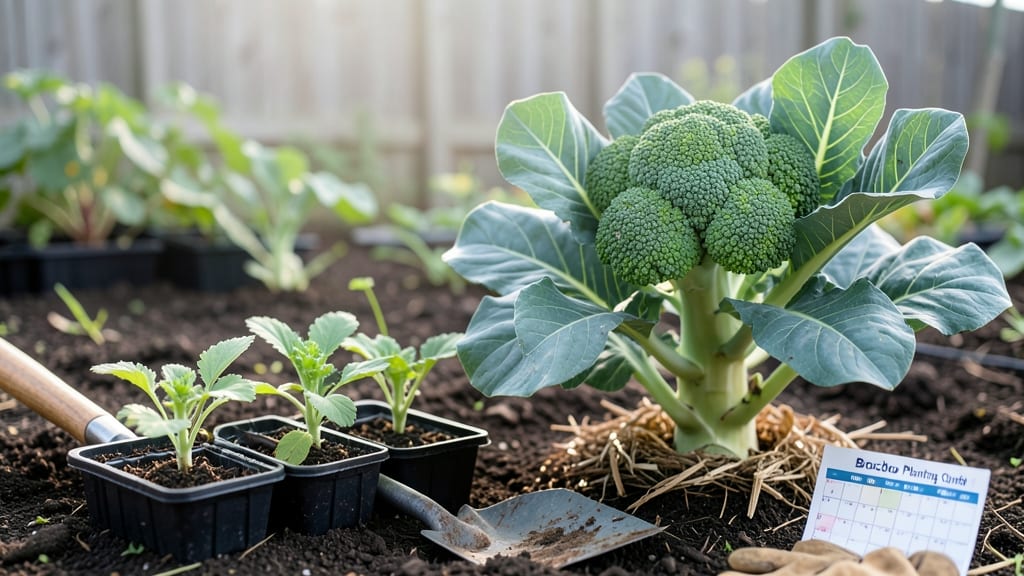
Planting broccoli in New Jersey at the wrong time can turn your garden dreams into a bitter disappointment—especially when those 🥦 heads bolt before you even get to harvest.
I’ve seen it happen too many times: gardeners in 6a-7b zones rushing seeds into cold soil or waiting too long in summer heat, only to watch their plants send up flowers instead of tasty crowns.
The secret to zero-bolt broccoli in NJ isn’t just about the calendar—it’s about understanding your microclimate. Coastal areas near Atlantic City face salt spray and cooler winds, while inland spots near Newark can bake plants if planted too early.
Even the Piedmont region plays by its own rules with its unique soil and temperature shifts.
Here’s what I’ll show you: the exact spring and fall planting windows tailored to NJ’s three distinct zones, plus how to prep soil, choose the right varieties, and avoid the three biggest mistakes that send broccoli into early flowering.
Whether you’re a first-time gardener or a seasoned green thumb, these tips will help you grow broccoli that’s ready to harvest when it’s supposed to be.
Ready to stop guessing and start growing? Let’s get those seeds in the ground at the perfect moment—because in NJ, timing really is everything when it comes to 🥦 success.
NJ broccoli planting calendar by microclimate zone: coastal vs. inland vs. Piedmont
New Jersey’s three distinct growing zones—coastal, inland, and Piedmont—create unique challenges for broccoli growers. Coastal areas face salt spray and cooler temps, while inland zones battle heat stress and faster soil warming.
The Piedmont’s rolling hills offer a middle ground but still demand precise timing to avoid premature bolting. Understanding these differences is key to a successful harvest, whether you’re planting in spring or fall.
Broccoli thrives in cool weather but bolts when temperatures exceed 75°F for extended periods. In NJ, this means spring planting must happen 4-6 weeks before last frost (typically mid-March to early April), while fall planting should occur 8-10 weeks before first frost (mid-August to early September).
However, these windows shift dramatically depending on your microclimate.
🌱 Coastal NJ (e.g., Cape May, Atlantic City) enjoys cooler, slower-warming soils but must contend with salt-laden winds that can stress young seedlings.
Inland areas (e.g., Trenton, Newark) experience faster soil warming and higher summer temps, while the Piedmont (e.g., Princeton, Lambertville) balances both but with more extreme temperature swings.
For coastal gardeners, start seeds indoors by February 15 to transplant after last frost, as salt spray can stunt seedlings. Inland growers should direct-sow seeds in early March or use 4-week-old transplants to beat the heat.
Piedmont gardeners can stagger plantings every 2 weeks from March to April to extend harvests.
💧 Soil temperature is critical—broccoli seeds need 40–50°F to germinate. Use a soil thermometer to confirm readiness, especially in inland zones where soil warms faster. Coastal areas may need row covers to maintain warmth post-transplant. In the Piedmont, mulch heavily to stabilize soil temps and retain moisture during dry spells.
Fall planting follows the same microclimate rules but in reverse. Coastal areas can push fall sowing to September 10, while inland zones must finish by August 20 to avoid heat stress. The Piedmont offers a sweet spot for late August plantings, allowing time for head formation before frost. Always choose cold-hardy varieties like 'Waltham 29' or 'De Cicco' for fall crops.
✂️ Pro tip: If your spring broccoli bolts due to unseasonable heat, harvest the side shoots (small florets) for a second crop. This works best with varieties like 'Calabrese' or 'Packman', which produce multiple harvestable heads.
In fall, row covers can extend harvests by 2–3 weeks in coastal zones.
🌡️ Watch for false springs—coastal areas may see warm spells in February, tempting early planting. Wait until soil temps consistently stay above 40°F for 5+ days before sowing. Inland gardeners should avoid planting after April 15, as summer heat will cause bolting within weeks.
📅 Mark your calendar with these microclimate-specific deadlines:
- Coastal: Last spring transplant by April 15, final fall sowing by September 10.
- Inland: Last spring transplant by April 1, final fall sowing by August 20.
- Piedmont: Last spring transplant by April 10, final fall sowing by September 5.
By aligning your planting schedule with NJ’s three microclimates, you’ll maximize yields, minimize bolting, and enjoy homegrown broccoli
How to extend broccoli season in NJ: succession planting & cold-hardy varieties
New Jersey’s short growing season doesn’t have to limit your broccoli harvests. By using succession planting and cold-hardy varieties, you can enjoy fresh broccoli from early spring through late fall. The key is timing—planting in staggered batches ensures a continuous supply while avoiding the heat stress that triggers bolting.
In my garden, this method has extended my harvest by 6-8 weeks beyond the traditional window.
For NJ gardeners, fall planting is just as critical as spring. Start your second crop in late summer (around August 1-15) to give plants enough time to mature before the first frost. In northern NJ (USDA zones 6a-6b), aim for a harvest by mid-Octoberearly November.
The right varieties make all the difference—'Waltham 29' and 'De Cicco' are my top picks for their cold tolerance and flavor.
🌱 Key Steps to Extend Your Broccoli Season
- 1. Start with cold-hardy varieties: Choose 'Waltham 29' (70-day harvest) or 'De Cicco' (60-day harvest) for fall planting. These varieties tolerate light frosts and produce sweeter heads in cooler weather.
- 2. Plant in staggered batches: Sow seeds every 2-3 weeks from spring through early summer. For fall, start with the first batch by August 1 and follow with 2-3 more plantings spaced 10 days apart.
- 3. Use row covers for protection: Extend your season by 2-3 weeks with lightweight row covers. These protect young plants from light frosts (down to 25°F) and cabbage worms without overheating the soil.
- 4. Time fall planting for frost: Calculate your first frost date (typically October 31 in northern NJ) and plant your last batch 8-10 weeks before this date to ensure maturity.
- 5. Fertilize for fall growth: Apply a balanced fertilizer (5-10-10) when plants are 4-6 inches tall to encourage head formation. Avoid high-nitrogen fertilizers, which promote leafy growth over heads.
One of my biggest mistakes was waiting until mid-August to plant fall broccoli. By then, the days were already shortening, and my plants struggled to mature before frost. Now, I start my first batch by August 1 and use row covers to shield them from early chills.
This simple adjustment has doubled my fall harvest. For southern NJ gardeners, you can even push your last planting to September 1 for a late-season crop.
Don’t overlook side shoots—they’re a bonus harvest! After cutting the main head, your broccoli plant will often produce 2-3 smaller side shoots over the next 4-6 weeks. These are just as tender and flavorful, giving you even more yield from each plant.
To encourage side shoots, keep the soil moist and fertilize lightly after the main harvest. In my experience, this can add 30-50% more edible broccoli per plant.
For urban gardeners with limited space, consider container growing. Dwarf varieties like 'Calabrese' thrive in 5-gallon pots and can be planted on balconies or patios. Just ensure your containers have drainage holes and use a lightweight potting mix to prevent waterlogging.
Container-grown broccoli follows the same planting schedule as in-ground crops, but you’ll need to move pots to a sunny spot and protect them from wind.
Remember, broccoli is a cool-season crop, so it thrives when temperatures are between 60-70°F. In NJ’s summer heat (especially in July and August), broccoli can bolt quickly. If you notice flower stalks forming, harvest the leaves first—they’re still edible and less bitter than bolted heads.
For a second chance at heads, try shade cloth (30-50%) to keep plants cool during heatwaves. This trick has saved my summer plantings more times than I can count!