
Plants
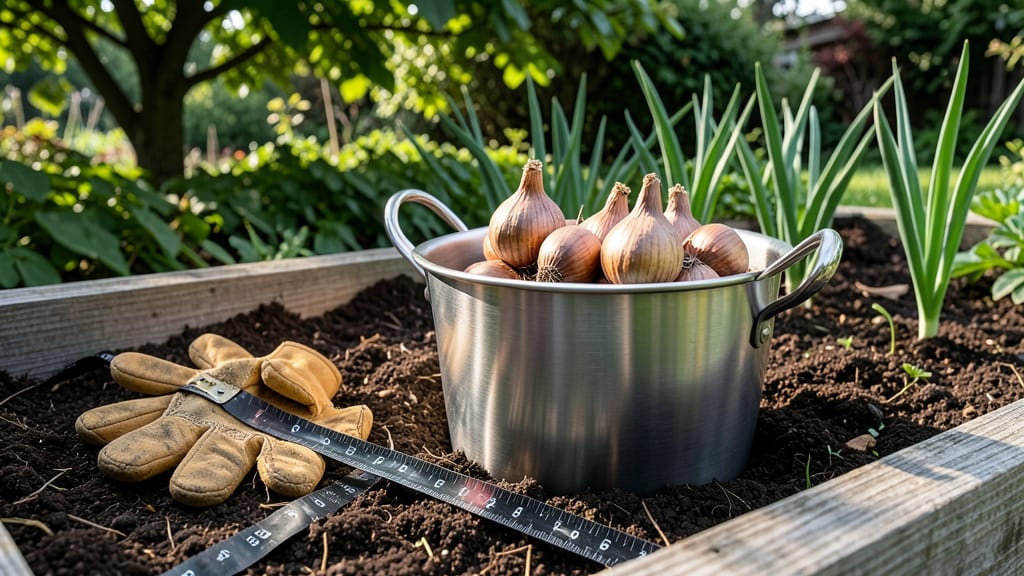
Planting tulip bulbs 🌷 in New Jersey isn’t just about the calendar—it’s about dodging the region’s tricky microclimates where coastal areas stay milder while inland spots freeze earlier. Get the timing wrong, and you’ll either watch your bulbs rot in soggy soil or miss next spring’s vibrant blooms entirely.
Most gardeners assume October is the only month, but November can work too—if you act fast. The key is planting 4-6 weeks before the ground freezes, which in NJ’s Zone 6a typically lands between mid-October and early November.
But here’s the catch: your exact window depends on whether you’re near the shore or tucked in the hills.
I’ll break down the three planting zones in NJ, from coastal breezes to inland freezes, so you know exactly when to dig. Plus, I’ll share my pro tips for soil prep and post-planting care to ensure your tulips thrive—no matter where you live in the Garden State.
Ready to turn your fall garden chores into next spring’s showstopper? Let’s get those bulbs in the ground the right way.
New Jersey’s 3 microclimates & their ideal tulip bulb planting windows
New Jersey’s diverse geography creates three distinct microclimates—coastal, inland, and mountain regions—each with unique frost patterns that dictate the perfect tulip bulb planting window.
Getting this wrong means either soggy, rotting bulbs or missed spring blooms. Let’s break down the ideal timing for each zone to ensure your tulips thrive.
Coastal areas like Cape May and Atlantic City enjoy milder winters thanks to ocean breezes, while inland zones (think Trenton or Newark) face harsher freezes. Meanwhile, the Poconos and Highlands experience earlier and longer frost periods.
Understanding these differences helps you plant bulbs 4-6 weeks before the ground freezes, giving roots time to establish before winter sets in.
Here’s the critical detail: soil temperature must drop to 40-50°F for bulbs to enter dormancy, but planting too early in warm soil can trigger premature sprouting. The key is to time your planting when daytime temps hover around 50-60°F—this sweet spot varies by microclimate.
Pro Tip: Use a soil thermometer to check depth (6 inches down). Once soil hits 50°F consistently, it’s time to plant. Coastal areas hit this mark 2-3 weeks later than inland zones.
| Microclimate | First Frost Date | Ideal Planting Window | Soil Temp Goal | Key Varieties |
|---|---|---|---|---|
| Coastal (Zone 7a) | Mid-November | Late October - Early November | 50-55°F | Darwin Hybrids, Fosteriana |
| Inland (Zone 6b) | Early November | Mid-October - Late October | 45-50°F | Parrot Tulips, Fringed |
| Mountain (Zone 5b) | Late October | Early October - Mid-October | 40-45°F | Greigii, Kaufmanniana |
For coastal NJ, aim for late October to early November. The ocean’s moderating effect delays frost, but don’t wait too long—bulbs need 4-6 weeks to root before winter. Darwin Hybrids and Fosteriana tulips thrive here thanks to their cold tolerance and early blooming.
Inland areas like Central and Northern NJ should plant mid-October to late October. These zones experience earlier and harder freezes, so timing is tighter. Parrot and Fringed tulips are excellent choices—they handle colder soils better than delicate species.
If you’re in the Poconos or Highlands, plant early October to beat the frost. Mountain regions have shorter growing seasons, and bulbs need every advantage. Greigii and Kaufmanniana tulips are hardy picks that survive the harshest NJ winters.
Missed the window? You can still plant through December, but cover bulbs with straw or mulch to insulate them. Just avoid planting after the ground freezes solid—bulbs won’t root in frozen soil.
Remember: well-draining soil is non-negotiable. Poor drainage leads to rot, especially in coastal areas where winter rains are heavier. Amend clay soil with compost or sand to improve aeration.
Once planted, mulch with 2-3 inches of straw to protect bulbs from temperature swings. This extra layer is crucial in inland and mountain zones, where temps can fluctuate wildly between day and night.
By following these microclimate-specific windows, your tulips will bloom reliably year after year—no more wasted bulbs or disappointing springs! 🌷
Step-by-step planting timeline for zero-frost success in NJ
Timing your tulip bulb planting in New Jersey isn’t just about the calendar—it’s about soil temperatures, moon phases, and knowing your local frost dates. The goal? Plant when the ground is cool but not frozen, and roots can establish before winter sets in.
For NJ’s Zone 6a, this typically means mid-October to early November, but your exact window depends on whether you’re in coastal, inland, or mountainous regions.
I’ve broken down the process into clear monthly steps, including soil checks, moon phase tips, and the perfect depth and spacing for your bulbs. Follow this timeline, and you’ll maximize your tulips’ chances of thriving next spring—no matter where you garden in the Garden State.
Soil temp: 60-65°F
Test soil with your finger—if it’s still warm, wait. Coastal NJ (e.g., Cape May) can plant early October if soil cools quickly.
Soil temp: 55-60°F
Ideal window for most of NJ. Aim for 4-6 weeks before first frost (target October 15-31). Check moon phases—plant during a waxing moon for stronger roots.
Soil temp: 50-55°F
Areas like Sussex County can wait until November 1-10. Plant no later than November 15—soil must freeze before bulbs sprout.
Dig holes 6-8 inches deep (3x bulb height) and 4-6 inches apart. Add 1 inch of compost to each hole for drainage. Place bulbs pointy end up, roots facing down.
Water deeply once after planting. Add 2-3 inches of mulch (straw or shredded leaves) to insulate bulbs. Avoid fertilizing until spring shoots emerge.
Let snow cover bulbs naturally—it acts as insulation. If your area gets heavy rain before freezing, ensure soil drains well to prevent rot.
Pro tip: Use a soil thermometer to check temperatures—bulbs need soil between 40-50°F for root growth. If you’re unsure about your frost date, check the NJ State Climatologist’s frost maps or ask your local cooperative extension office for updates.
Once your bulbs are in the ground, sit back and let winter do the work. With the right timing, you’ll be rewarded with bold blooms in April or May, proving that a little patience in fall pays off big time in spring.