
Plants
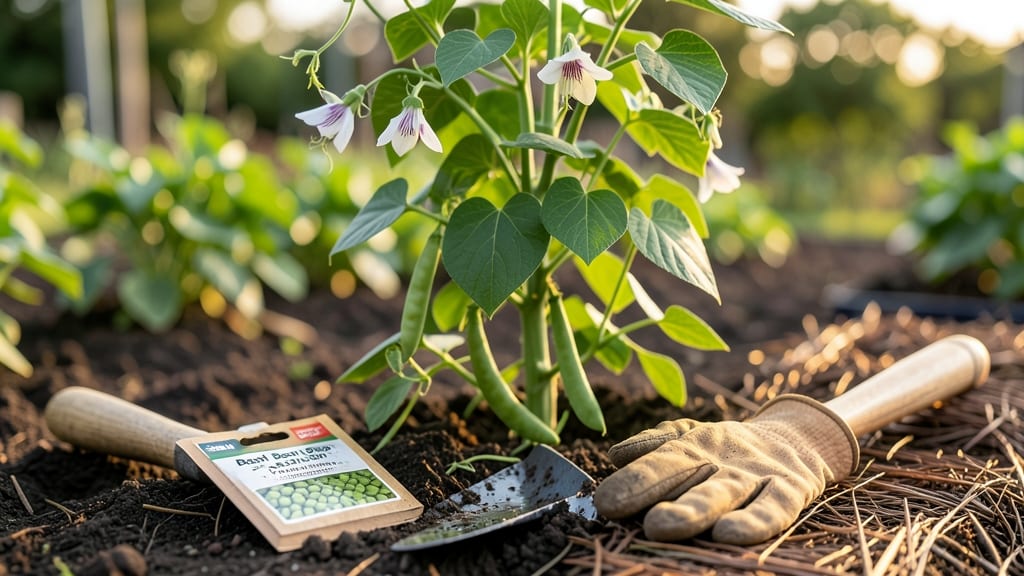
Planting beans at the wrong time in California can mean the difference between a thriving harvest and a disappointing failure—thanks to the state's diverse microclimates, timing varies dramatically from coastal fog to desert heat.
If you're eager to grow your own 🌱, knowing the exact window for planting beans in your specific region is critical. Coastal areas like San Francisco can start as early as February, while inland valleys often wait until April or May to avoid frost.
With California's USDA zones ranging from 5-11, getting the timing right ensures your beans thrive from seed to harvest.
I'll break down the best planting months for both bush and pole beans, accounting for soil temperatures and local weather patterns. Whether you're in a foggy coastal zone or a sunbaked desert area, you'll learn how to time your planting for maximum success.
Ready to grow a bountiful bean harvest? Let's dive into the ideal planting schedule tailored to your California microclimate, so you can enjoy fresh, homegrown beans all season long.
California bean planting zones: exact start dates by microclimate
California's diverse climate means your bean planting schedule should align with your specific microclimate. Coastal areas like San Francisco and Santa Barbara enjoy mild winters, while inland valleys like Sacramento and Fresno face frost risks until late spring.
Desert regions such as Palm Springs can plant almost year-round, but timing still matters for optimal growth.
Beans thrive when soil temperatures reach 60°F or warmer. Coastal zones often hit this mark by February or March, while inland areas may wait until April or May.
Understanding your USDA zone and last-frost dates is key—California ranges from Zone 5 (northern mountains) to Zone 11 (deserts), creating vast differences in planting windows.
Here’s a breakdown of ideal planting times by region, including soil temperature thresholds and frost-free periods to help you plan:
| Region | USDA Zone | Last Frost | Ideal Planting Window | Soil Temp Threshold |
|---|---|---|---|---|
| Northern Coastal (Eureka, Redwood City) | 9-10 | December | February–September | 60°F+ (year-round) |
| Bay Area (San Francisco, Oakland) | 9-10 | January | March–October | 60°F+ (March+) |
| Central Coast (Santa Barbara, Monterey) | 9-10 | December | February–September | 60°F+ (year-round) |
| Central Valley (Sacramento, Fresno) | 8-9 | March | April–July | 65°F+ (April+) |
| Southern California (Los Angeles, San Diego) | 10-11 | None | Year-round (best: Feb–Oct) | 60°F+ (always) |
| Desert (Palm Springs, Joshua Tree) | 9-10 | None | March–October | 70°F+ (April+) |
For bush beans, which mature faster (50-60 days), you can plant successive crops every 2-3 weeks to extend your harvest. Pole beans, which take 60-90 days to mature, benefit from a longer growing season—ideal for coastal and desert regions where frost isn’t a concern.
If you’re in a cooler inland zone, opt for heat-tolerant varieties like 'Contender' or 'Blue Lake', which handle warmer soils better. For coastal foggy areas, varieties like 'Kentucky Wonder' or 'Provider' thrive in cooler conditions.
Pro tip: Use a soil thermometer to confirm your soil is warm enough before planting. If temperatures dip below 55°F, seeds may rot instead of sprouting.
Coastal gardeners can plant as early as February, while inland gardeners should wait until after the last frost, typically April or May.
For desert regions, planting in early spring avoids the extreme summer heat, which can stress young plants. Shade cloth can help if you must plant during peak summer months.
🌱
How to adjust planting time for California’s unpredictable weather patterns
California’s weather can be as unpredictable as it is diverse—one day you’re battling coastal fog, and the next, your garden is baking under desert heat. To maximize your bean harvest, you’ll need to adapt your planting schedule based on local conditions.
For example, Santa Barbara’s marine layer can delay soil warming by weeks, while the Central Valley’s heat spikes might require shade cloth for young plants.
Succession planting is your best friend here. Instead of planting all your seeds at once, stagger them every 2-3 weeks to ensure a continuous harvest. This works especially well for pole beans, which can produce for months if given the right conditions.
Even in cooler zones, you can extend the season by choosing heat-tolerant varieties like ‘Romano’ or ‘Blue Lake’.
Another trick is using row covers or shade cloth to protect seedlings from unexpected chills or scorching sun. In inland areas, a 30% shade cloth can lower soil temperatures by up to 10°F, giving your beans a better start.
Meanwhile, coastal gardeners might need to plant later to avoid soggy soil from winter rains.
Use Row Covers for Early Planting
Extend your growing season by 2-4 weeks with lightweight row covers. They protect seedlings from frost and cold snaps while allowing sunlight and water through.
Stagger Plantings for Continuous Harvests
Plant new seeds every 2-3 weeks to ensure a steady supply of fresh beans. This works for both bush and pole beans and reduces the risk of losing your entire crop to weather.
Choose Heat-Tolerant Varieties
Opt for varieties like ‘Black Valentine’ or ‘Contender’, which thrive in 90°F+ temperatures. These are perfect for inland and desert regions where heat is a constant challenge.
Monitor Soil Temperature
Beans need soil temps of at least 60°F to germinate. Use a soil thermometer to check before planting—especially in coastal areas where cold water currents delay warming.
Don’t forget to check local microclimate data from sources like the UC Master Gardener Program or NOAA weather stations. These tools can give you real-time insights into when your specific area is ready for planting.
For instance, Los Angeles’ inland areas may be safe to plant in March, while the coast waits until April.
With these adjustments, you’ll turn California’s unpredictable weather into an advantage. Whether you’re dealing with coastal fog, valley heat, or desert dryness, the right timing and varieties will help you grow beans successfully year after year.