
Plants
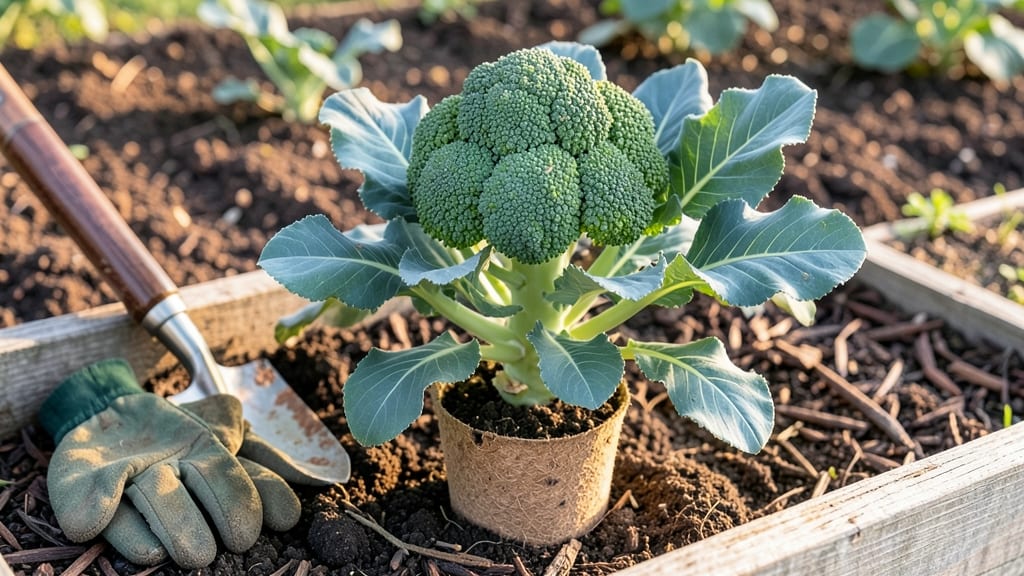
Timing your 🥦 broccoli planting in Connecticut isn’t just about following a calendar—it’s about outsmarting the region’s tricky weather shifts that can turn your crop into bitter disappointment.
Whether you’re a seasoned gardener or just starting, getting those seeds in the ground at the wrong moment means watching your plants bolt before they even form heads.
The key to success lies in those narrow windows between March and April for spring plantings and July and August for fall harvests, but Connecticut’s microclimates—from coastal breezes to inland valleys—can shift those ideal times by weeks.
I’ve learned the hard way that planting too early risks frost damage, while waiting too long invites heat stress that triggers bolting.
What sets CT apart is how quickly temperatures swing, making soil prep and variety choice just as critical as timing. The right broccoli types, like cold-hardy ‘Waltham 29’ or heat-tolerant ‘De Cicco,’ can mean the difference between a bountiful harvest and a wasted season.
Let me show you exactly how to match your planting schedule to your specific corner of Connecticut.
From adjusting for last frost dates to using row covers for extended seasons, I’ll walk you through the proven strategies that have worked in my Zone 6a garden—and how you can apply them to yours. Ready to grow broccoli that actually thrives?
Best planting times for broccoli in Connecticut’s microclimates
Connecticut’s diverse geography—from coastal Long Island Sound to inland valleys and highland regions—creates three distinct microclimates that dramatically affect broccoli planting success. Coastal areas enjoy milder winters and later frosts, while inland zones face earlier spring warmth and highland regions stay cooler longer.
Timing your plantings to these variations prevents bolting (premature flowering) and maximizes your harvest window.
Broccoli thrives in cool-season conditions (45–75°F soil temps) and struggles when temperatures exceed 80°F. In Connecticut, this means two ideal planting windows: early spring (March–April) and late summer (July–August).
However, your exact schedule depends on whether you’re in Zone 6a coastal, inland Zone 6b, or highland Zone 5b areas. Let’s break it down by region to avoid costly mistakes.
⚠️ Critical Note: Bolting is your biggest enemy in CT’s heatwaves. Coastal areas hit 85°F by mid-June, while inland zones can spike to 90°F by late May. Highland regions stay cooler but risk late-spring frosts that stunt growth. Below is your region-specific planting timeline to sidestep these pitfalls.
For coastal Connecticut, aim to plant broccoli 4–6 weeks before your last frost (March 15–April 1). This gives seedlings time to establish roots before soil temps warm.
If you’re in New Haven or Groton, prioritize heat-tolerant varieties like ‘Waltham 29’ or ‘Calabrese’ for your late-summer window (July 20–August 10). These varieties can handle brief heat spikes better than standard types.
Inland areas (think Hartford or Middletown) should plant earlier—March 1–March 25—to avoid May heat stress. Use row covers if planting in late March to protect young seedlings from unexpected late frosts.
For fall harvests, inland gardeners have a shorter window (July 10–July 30), so choose fast-maturing varieties like ‘Belstar’ (58 days to harvest).
Highland regions (e.g., Litchfield Hills) face delayed springs and earlier falls. Wait until April 15–May 1 to plant, as late frosts are common. Your fall window is also truncated (August 1–August 20), so focus on cold-hardy varieties like ‘Green Goliath’ that tolerate light frosts. Mulch heavily with straw or leaves to insulate roots during temperature swings.
Soil temperature is just as critical as air temperature. Use a soil thermometer to confirm 45°F+ before planting. In CT, coastal soils warm faster in spring (hitting 50°F by mid-March), while inland soils lag until late March.
Highland soils may not reach 50°F until early April. Planting too early in cold soil leads to rotten roots and stunted growth.
Pro tip: Direct-sow seeds in all regions—broccoli hates transplant shock. Start seeds indoors 4–6 weeks before your coastal/inland last frost or 6–8 weeks for highlands if you’re short on space. Use biodegradable pots to avoid root disturbance when transplanting outdoors.
Finally, succession planting is key to CT’s short growing season. After your first spring harvest (May–June), replant with fast-maturing varieties like ‘De Cicco’ (45 days) for a late-summer crop. This strategy ensures you’re harvesting broccoli from June through October, regardless of your microclimate.
Remember: Bolting prevention starts with timing. By aligning your plantings with these regional windows, you’ll dodge CT’s most common broccoli pitfalls—heat stress, late frosts, and wasted seed money. Happy planting! 🌱
How to avoid bolting: CT-specific growing tips for broccoli success
Connecticut’s sudden heatwaves can turn your broccoli from lush green heads to bitter bolts in days. The key to preventing this is understanding your microclimate—whether you’re in coastal New Haven or inland Hartford. Bolting happens when broccoli senses heat stress, so proactive care is critical.
Start by choosing bolt-resistant varieties like 'De Cicco' or 'Waltham 29', which handle CT’s temperature swings better. These varieties are bred to delay bolting, giving you a fighting chance against our unpredictable spring and summer weather.
Next, focus on soil temperature. Broccoli thrives in 50-70°F soil, but CT’s summer soils often exceed 80°F. Use mulch—straw or black plastic—to keep roots cool and moisture levels stable. This simple step can buy you 2-3 extra weeks of harvestable heads.
⚠️ Heatwave Warning: Watch for These Signs
Yellowing leaves or purple stems mean your broccoli is stressed. If temps hit 85°F+ for 3+ days, shade cloth (30-50%) is your best friend. Remove it during cooler mornings to avoid fungal risks.
Watering is another bolt trigger—inconsistent moisture stresses plants. Aim for 1-1.5 inches per week, delivered in the early morning to reduce evaporation. Drip irrigation works best, as it keeps water at the roots without wetting the leaves, which can cause disease.
Finally, fertilize wisely. Too much nitrogen late in the season can encourage rapid growth and bolting. Switch to a low-nitrogen fertilizer (5-10-10) 4-6 weeks before harvest. This balances growth while keeping your broccoli focused on head formation instead of seed production.
With these CT-specific tweaks, you’ll minimize bolting and maximize your harvest. Even in our unpredictable climate, a well-managed broccoli patch can yield 3-4 weeks of fresh heads—just in time for fall recipes!