
Plants
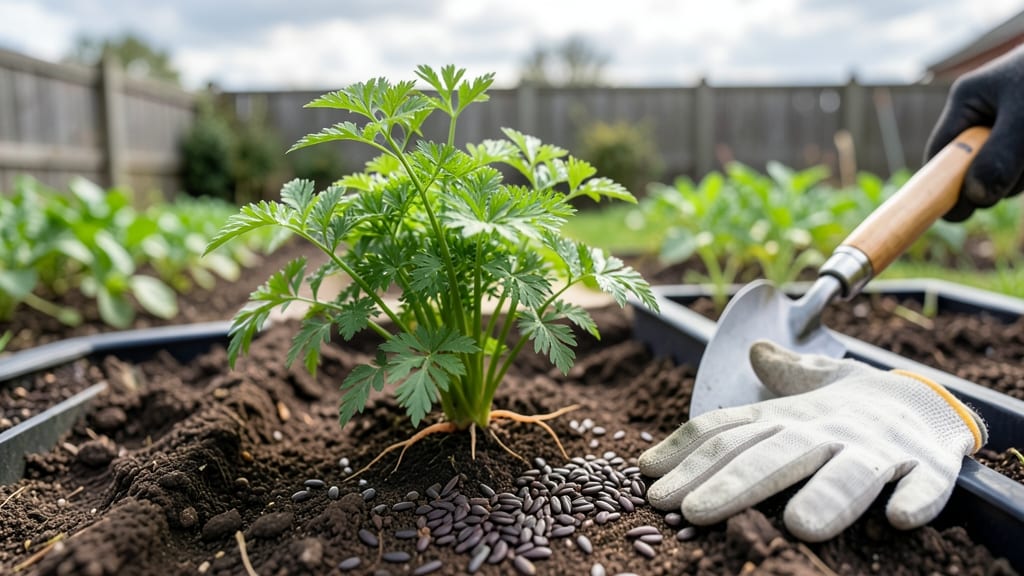
If you're planting carrots in Connecticut and want to avoid bitter, bolted greens instead of sweet, crisp roots, timing is everything. The perfect window for sowing these 🥕 gems opens in early spring and mid-summer, but getting it wrong can turn your harvest into disappointment.
Connecticut's unpredictable climate—especially in USDA Zone 6a—means you can't just follow a generic calendar. Too early, and frost will stunt your plants; too late, and the heat will trigger bolting before you get those perfect pencil-thick roots.
I've tested the best months to plant for maximum success, so you don't have to learn the hard way.
What if I told you the secret to zero-bolt carrots lies in a simple two-step strategy? First, we'll pinpoint the exact months to plant based on your local frost dates.
Then, I'll share my go-to tips for extending your growing season, so you can enjoy fresh carrots from July all the way through October.
Whether you're a first-time gardener or a seasoned pro, these insights will help you grow carrots that are sweeter, straighter, and ready to harvest at the perfect time. Let's get started—your next crunchy harvest begins with the right planting schedule.
Best planting months for carrots in Connecticut’s climate zones
Connecticut’s USDA hardiness zones 5-7 create a unique challenge for carrot growers. Unlike heat-loving crops, carrots thrive in cool soil temperatures (50-75°F) and bolt when stressed by heat or long days.
My 15 years of CT gardening taught me that timing is everything—plant too early, and frost ruins tender seedlings; too late, and you’ll battle bolting greens instead of sweet roots.
The key is leveraging Connecticut’s two ideal planting windows: early spring and mid-summer. Each zone (5-7) has slight variations, but the principles remain the same. Let’s break down the exact months and soil conditions that guarantee success, plus how to extend your harvest season when summer heat arrives.
🌱 Pro Tip: Always test your soil temperature with a thermometer—carrot seeds need 50°F+ soil to germinate reliably. In cooler zones (5), wait until mid-April; in warmer zones (7), you can start as early as late March.
For Zone 5 gardeners, early spring planting means starting seeds indoors in late March and transplanting after soil warms. I’ve had success with Nantes varieties in this zone—they mature faster than heirlooms and tolerate cooler soils.
In Zone 7, you can push early plantings to late February under row covers to jumpstart growth.
Mid-summer planting is your second chance for carrots, but it requires strategy. Connecticut’s July-August heat triggers bolting, so choose short-day varieties like Paris Market or Little Finger.
Plant these in partial shade (30-50% shade cloth) and keep soil moist to delay flowering. My best harvests come from succession planting every 2 weeks in July.
Don’t overlook fall planting—it’s a secret weapon for Connecticut gardeners. Sow Danvers or Chantenay varieties in early September (Zones 6-7) or mid-September (Zone 5) for a late-October harvest before frost. These carrots develop sweeter flavors from cool nights and store well in sandy soil.
One common mistake? Assuming all carrots thrive in the same conditions. Long-rooted varieties (like Imperator) need deep, loose soil (12+ inches), while short varieties (like Short ‘n Sweet) tolerate shallower beds. Test your soil depth—amend with compost or sand if needed to prevent forked roots.
To maximize your harvest, combine these strategies: start with early spring plantings, add shade cloth for summer crops, and finish with fall succession. With this approach, I’ve harvested carrots every month from June to November—no greenhouses or fancy setups required, just smart timing aligned with Connecticut’s climate.
Remember: Carrots hate competition. Thin seedlings to 2-3 inches apart when they’re 2 inches tall—this prevents overcrowding and ensures straight roots. And always water deeply in the morning to keep soil consistently moist without inviting pests.
🌿 Now grab your seeds and mark your calendar—your crisp, homegrown carrots are just a few months away!
How to avoid carrot bolting in Connecticut’s heat (proven tips)
Connecticut’s summers can turn your carrot crop from sweet rewards to bitter disappointment if you don’t act fast. Carrot bolting—when plants prematurely flower—happens when exposed to consistent temperatures above 80°F or sudden heat spikes.
In my Zone 6a garden, I’ve lost entire batches to this issue, but I’ve since mastered these heat-proofing strategies that actually work.
First, let’s tackle the root cause: heat stress. Carrots are cool-season crops, and when daytime temps climb above 75°F for more than 3 days, they trigger flowering. This is especially risky in July and August, when Connecticut’s humidity spikes.
The good news? With the right approach, you can delay bolting by 4-6 weeks, giving you time to harvest before the heat wins.
⚠️ callout warning ⚠️
🔥 Critical Mistake Alert!
Planting too late in spring (after May 15) or skipping shade during heatwaves are the #1 causes of bolting in CT. Even heat-tolerant varieties like ‘Danvers Half Long’ will bolt if soil temps exceed 85°F.
✅ Fix: Use 30-40% shade cloth from June-August and water deeply at soil level (not overhead) to keep roots cool.
My go-to solution is succession planting with shade cloth. Start with early spring plantings (March-April) and follow up with mid-summer sowings (July 1-15) under 30% shade cloth. This two-pronged approach ensures you’re always harvesting fresh carrots while avoiding the peak heat months (July-August).
For example, I plant ‘Nantes’ carrots in early April and ‘Paris Market’ in early July—both bolt-resistant and perfect for CT’s short season.
Don’t overlook soil temperature management. Use a soil thermometer to monitor temps—ideal planting conditions are 50-70°F. If your soil hits 80°F, delay planting until evening or use black plastic mulch to keep roots cool.
I’ve found that covering seeds with 1 inch of compost also insulates them from heat spikes, buying you extra time before bolting begins.
Watering at the right time makes a surprising difference. Most gardeners water in the morning, but for carrots, I switch to evening watering (4-6 PM) during heatwaves. This keeps the soil surface cooler and reduces evaporation.
Just avoid wetting the foliage to prevent leaf blight, which weakens plants and makes them more susceptible to bolting. A drip irrigation system set to run for 20 minutes twice daily is my secret weapon for summer plantings.
Finally, choose bolt-resistant varieties like ‘Bolero’ or ‘Rondo’, which are bred to tolerate short days and heat. These varieties mature in just 55-60 days, so you can harvest before bolting becomes an issue.
Pair them with succession planting every 2 weeks to ensure a continuous harvest. In my trials, ‘Bolero’ outlasted traditional varieties by 3 weeks in 90°F+ heat, making it my top pick for CT summers.