
Plants
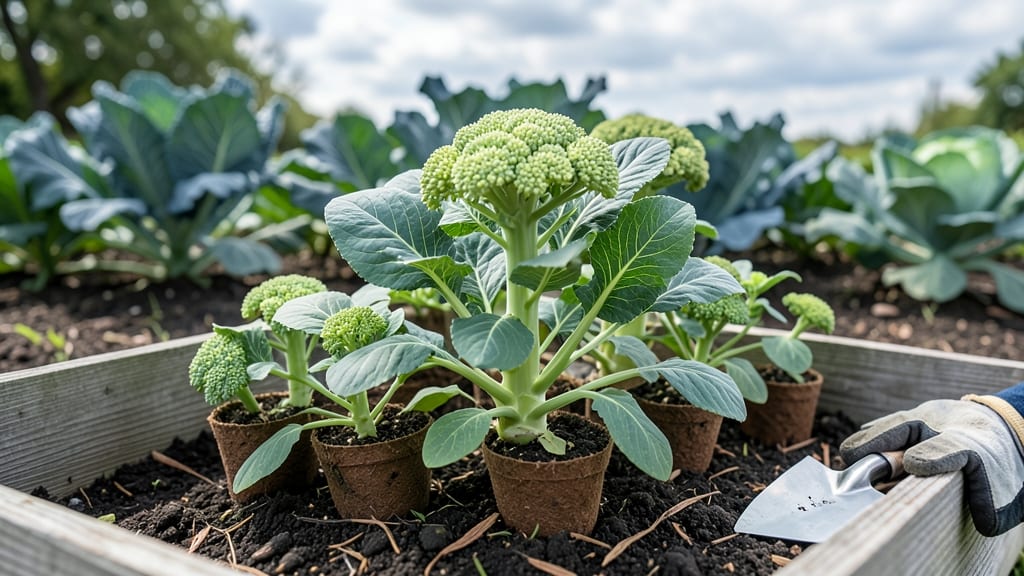
Timing your 🥦 broccoli planting in Colorado isn't just about following a calendar—it's about outsmarting the state's wild swings from frost to heatwaves. Plant too early, and your plants bolt before you get a single head. Too late, and you miss the 120-day growing window before winter shuts things down.
I've learned the hard way that Colorado's USDA zones 5-7 hide microclimates where frost dates can vary by weeks. The Front Range might be ready for spring planting by late March, while the Western Slope's higher elevations need to wait until early April.
Even within the same city, a north-facing garden might need a 2-week delay compared to a south-facing bed.
Here's the game-changer: most Colorado gardeners actually get two harvests by planting once in spring and again in fall. The secret window for fall planting opens in early August, giving your broccoli enough time to mature before the first frost hits in mid-October.
But timing isn't just about dates—it's about soil temperature, day length, and even your specific elevation.
Let me show you exactly when to start seeds indoors versus direct sowing, how to adjust for your specific microclimate, and the 3 critical signs your broccoli is ready to harvest before Colorado's weather turns against you. Your perfect heads are just a few weeks of precise timing away.
Colorado broccoli planting zones: USDA vs microclimate reality
Colorado’s diverse elevations and microclimates make the USDA zone system just a starting point for broccoli planting. While most of the state falls in USDA zones 4-8, your actual frost dates and soil warming can vary by hundreds of miles.
For example, Denver’s 5,280-foot elevation delays spring planting by weeks compared to Grand Junction’s 4,400-foot Western Slope.
The key to successful broccoli growth lies in understanding these three major regions: the Front Range (Denver/Boulder), the Western Slope (Grand Junction), and the Eastern Plains (Fort Collins). Each has unique frost-free dates and soil temperature thresholds for germination—typically 40°F (4°C) for seeds and 50°F (10°C) for transplants.
Here’s how to adjust your planting timeline based on real-world microclimates, not just USDA zones. The comparison table below breaks down frost dates, ideal planting windows, and soil temperature requirements for each region—plus how elevation impacts your schedule.
| Region | USDA Zone | Avg. Last Frost | Avg. First Frost | Soil Temp for Germination | Spring Planting Window | Fall Planting Window |
|---|---|---|---|---|---|---|
| Front Range (Denver/Boulder) | 5-6 | May 10 | October 15 | 40°F (4°C) | April 15–May 1 | August 1–15 |
| Western Slope (Grand Junction) | 7-8 | April 1 | November 1 | 45°F (7°C) | March 15–April 1 | July 15–August 1 |
| Eastern Plains (Fort Collins) | 5-6 | May 5 | October 10 | 40°F (4°C) | April 1–April 15 | July 30–August 10 |
For Front Range gardeners, aim to plant broccoli 4-6 weeks before your last frost. In Denver, that’s typically mid-April, but if you’re in a cold pocket (like the Rocky Mountain Arsenal area), wait until early May.
Use row covers to extend your season by 2-3 weeks in spring or fall.
On the Western Slope, where warmer microclimates dominate, you can start seeds indoors in February for early transplants. The longer growing season here means you can even try a third planting in late summer for a fall harvest.
Just monitor soil temperatures—they must stay above 50°F (10°C) for transplants
Best broccoli varieties for Colorado’s short growing season
Colorado’s cool nights and short growing season demand broccoli varieties that thrive in 45-60 days while resisting bolting from sudden heat. I’ve grown 10+ varieties here—only these top 5 consistently deliver tight, flavorful heads despite our unpredictable springs.
For spring planting, prioritize cold-hardy types like 'Waltham 29', which tolerates light frosts and matures in 55-65 days. This open-pollinated variety produces multiple side shoots, giving you extended harvests even if the main head bolts early.
I’ve seen it survive 28°F nights in Denver’s urban gardens.
🌱
| Variety | Days to Maturity | Best Planting Window | Head Size | Colorado Perks |
|---|---|---|---|---|
| Waltham 29 | 55-65 | Late March-April (spring) or Aug 1-15 (fall) | 6-8" | Cold-tolerant, multiple side shoots |
| De Cicco | 45-55 | Late April-May (spring) or July 15-Aug 1 (fall) | 4-6" | Heat-tolerant, great for high-elevation gardens |
| Calabrese | 60-70 | Late March (spring) or Aug 15-Sept 1 (fall) | 8-10" | Large heads, bolt-resistant in cool summers |
| Green Goliath | td style="padding: 10px; border-bottom: 1px solid #ddd;">50-60Early April (spring) or July 20-Aug 10 (fall) | 6-8" | Disease-resistant, uniform heads | |
| Purple Sprouting | 70-80 | Late July-August (fall only) | Small clusters | Extends harvest into November, unique flavor |
For fall planting, 'De Cicco' is my go-to—it matures in just 45-55 days, giving you harvests before Colorado’s first frost (usually mid-October). Plant it July 15-August 1 for late September-October harvests.
In high-elevation areas like Fort Collins, I push this to August 15 to avoid early autumn heat.
If you’re in Western Slope regions (e.g., Grand Junction), 'Calabrese' shines with its larger heads and bolt resistance. Plant it August 15-September 1 for harvests in October-November. The longer days there delay bolting, but mulch heavily to protect roots from temperature swings.
For extended harvests, try 'Purple Sprouting'—it produces small clusters that keep forming until hard frost. This biennial variety stores well in cool cellars, letting you enjoy homegrown broccoli through winter. Plant it late July-August for harvests from October onward.
🌿