
Plants
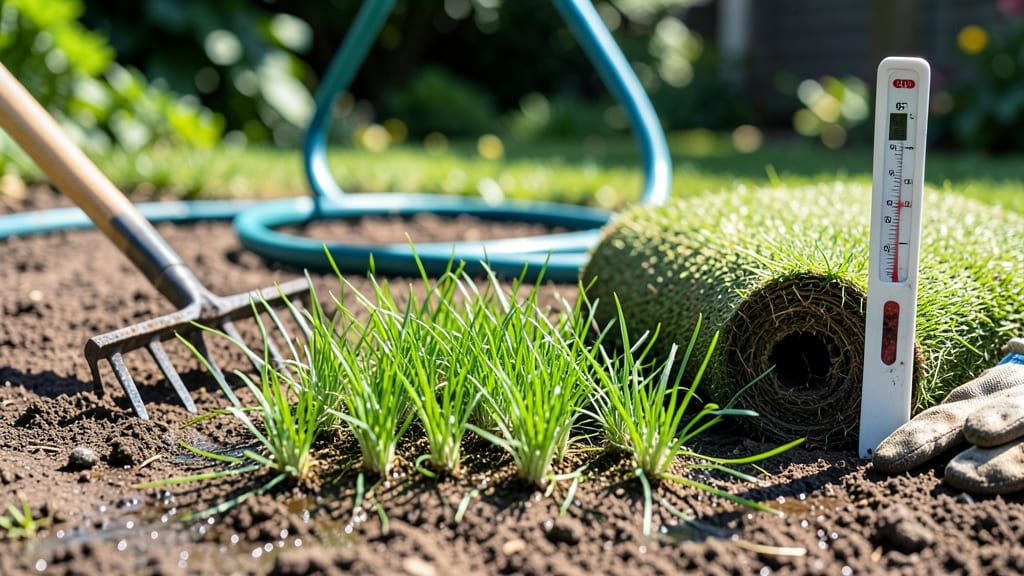
Planting Bermuda grass at the wrong time in Missouri can mean the difference between a lush, green lawn and a patchy, struggling mess—especially in zones 5b-6b where heat and humidity play tricks on your timing.
Most gardeners assume spring is the only window, but fall actually offers a critical advantage for root establishment before winter. I’ll break down the exact late April to early June and August to September windows, plus how soil temperatures (not frost dates) determine success.
Missouri’s unpredictable weather throws curveballs—droughts, sudden heatwaves, or early frosts can sabotage your lawn if you’re not prepared. The key isn’t just when you plant, but how you prep the soil and care for it afterward to outsmart the climate.
Let’s cut through the guesswork so you can plant Bermuda grass with confidence—no more second-guessing whether your lawn will thrive or fade out by summer.
Missouri heat zones and ideal planting windows for Bermuda grass
Missouri’s USDA heat zones 7a-8b create distinct microclimates that dramatically impact when you should plant Bermuda grass.
Unlike cool-season grasses, Bermuda thrives in heat but needs precise timing to establish strong roots before summer’s intensity. Soil temperature is your best guide—wait until it hits 65°F+ for germination, typically late April to early June in most regions.
In northern Missouri (zones 7a-7b), like Kansas City, cooler springs delay planting until late May, while southern Missouri (zones 8a-8b), including St. Louis, allows earlier starts in mid-April. Fall planting is also viable in August-September, giving Bermuda a head start before winter dormancy.
Here’s a quick reference for Missouri’s heat zones and planting windows, including soil temperature thresholds and regional adjustments:
| USDA Heat Zone | Ideal Planting Window | Soil Temp Threshold | Regional Notes |
|---|---|---|---|
| 7a (North MO) | Late May - Early June | 65°F+ (consistent) | Cooler springs; wait for frost risk to pass |
| 7b (Central MO) | Mid-April - Late May | 65°F+ (4-6 weeks) | Kansas City area; monitor rainfall |
| 8a (South-Central MO) | Early April - Mid-May | 65°F+ (3-4 weeks) | Warmer microclimates; plant earlier |
| 8b (St. Louis Area) | Late March - Early June | 65°F+ (immediate) | Urban heat islands; faster warming |
| Fall Planting (All Zones) | August - Early September | 70°F+ soil | Drought-resistant; establish before frost |
Missouri’s microclimates can shift planting windows by 2-4 weeks. For example, St. Louis (8b) often sees earlier soil warming due to urban heat, while rural areas in zone 7a may need to delay until June to avoid late frosts.
Use a soil thermometer to confirm readiness—Bermuda grass seeds won’t germinate below 65°F, even if air temps are warmer.
In northern Missouri, where springs are cooler, focus on late May planting to align with consistent 65°F+ soil temps.
This gives Bermuda grass 6-8 weeks of warm weather to establish roots before summer’s peak. Southern Missouri gardeners can start as early as mid-April, but monitor rainfall patterns—drought stress early in the season can stunt growth.
Fall planting in August-September is ideal for Missouri’s drought-prone summers. Bermuda grass planted in fall benefits from cooler temps and consistent moisture, reducing the risk of summer heat shock.
Aim to finish planting by early September to allow 4-6 weeks of root establishment before the first frost, typically around mid-October.
Regional variations also affect watering needs. In St. Louis (8b), where humidity is higher, Bermuda grass may need less frequent watering once established, while western Missouri’s drier climates (e.g., near Columbia) require deep, infrequent watering to encourage deep root growth.
Always water early morning to minimize evaporation and fungal risks.
For best results, test your soil’s pH (6.0-7.5) and drainage before planting. Bermuda grass prefers sandy loam but tolerates clay if amended with compost or sand. In heavy clay soils common in northern Missouri, consider adding organic matter to improve aeration and water absorption.
Missouri’s variable weather means flexibility is key. If spring rains delay planting, don’t rush—wait for stable soil temps. Similarly, if fall arrives early, prioritize seedling establishment over late-season growth. With the right timing, your Bermuda grass will thrive through Missouri’s brutal summers and recover quickly in spring.
🌱
Spring vs. fall planting: which works Better in Missouri?
Choosing between spring and fall for Bermuda grass planting in Missouri isn’t just about seasons—it’s about survival. Spring planting (April–May) gives your lawn a head start, but fall planting (August–September) lets roots establish before winter’s chill. Missouri’s variable rainfall and heat spikes make both options risky if you’re not prepared.
The key difference lies in moisture retention and heat stress. Spring plantings face drought stress as summer arrives, while fall plantings risk early frost before roots deepen. I’ll show you how to pick the right window for your Missouri zone and adjust care to outsmart the climate.
Spring Planting (April–May) vs. Fall Planting (August–September)
Spring Planting
- ✅ Faster establishment (6–8 weeks to full coverage)
- ✅ Avoids winter dormancy—grass grows actively
- ✅ Better for warm-season zones (7a–8b)
- ❌ Higher water needs during summer droughts
- ❌ Risk of heat stress if planted too early
- ❌ Weed competition peaks in spring
Fall Planting
- ✅ Deeper root growth before winter
- ✅ Lower water needs in cooler months
- ✅ Fewer weeds in late summer/fall
- ❌ Slower initial growth (roots take priority)
- ❌ Early frost risk if planted too late
- ❌ Less time to recover from summer stress
For northern Missouri (zones 5b–6a), fall planting often wins because cooler temps reduce heat stress and water demands. But in southern Missouri (zones 7a–8b), spring planting lets Bermuda grass leap ahead before summer’s intensity peaks.
My rule? Plant in fall if your zone gets below 40°F—otherwise, spring is safer.
Missouri’s unpredictable rainfall complicates things. Spring plantings need consistent moisture to avoid drought stress, while fall plantings benefit from natural autumn rains. I recommend drip irrigation for spring and mulch layers for fall to stabilize soil moisture.
Adjust your watering schedule based on your local forecast—don’t rely on averages.
One critical mistake Missouri gardeners make? Planting too early in spring when soil temps are still below 65°F. Use a soil thermometer to confirm readiness—cold soil delays germination and invites fungal diseases. Fall plantings should stop by mid-September to avoid frost damage before roots establish.
Pro tip: If you’re torn, split your planting—do half in spring and half in fall. This insurance approach ensures coverage even if one season fails. Just remember: Bermuda grass thrives on consistency, so stick to your chosen window and avoid mid-summer planting—it’s a recipe for heat shock.
🌱