
Planting
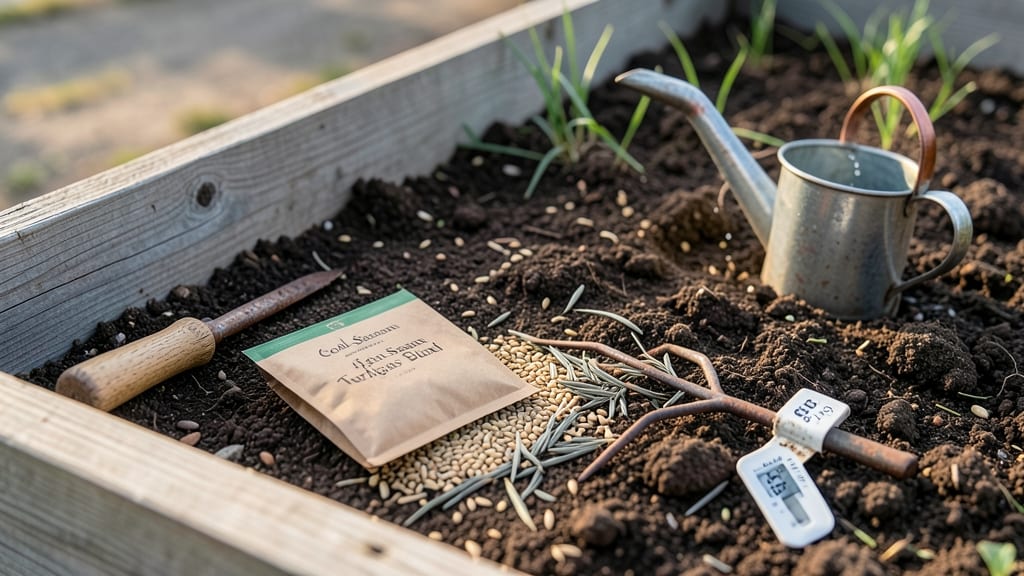
Planting grass seed in Massachusetts at the wrong time can mean the difference between a lush, green lawn and months of frustration. The perfect window depends on your microclimate—whether you're battling coastal winds or inland heat waves—but getting it right ensures your 🌱 thrives from the start.
Most gardeners in zones 5b-6b know the golden rule: aim for early spring or fall, when soil temperatures hover around 50°F. But here's the catch—coastal areas like Cape Cod can plant weeks earlier than inland spots near Worcester, where frost lingers longer.
I'll break down the exact months for your region so you never guess again.
You might think "spring planting" means March, but that’s not always true. In fact, April is often the safer bet for most of Massachusetts, while fall overseeding in September gives grass roots a head start for winter.
Let me show you how to adjust your timing based on where you live.
Ready to stop second-guessing and start planting with confidence? We'll cover soil prep, frost dates, and even the best grass varieties for your area—so your lawn gets off to the strongest possible start.
Best grass seed planting months in Massachusetts by region
Massachusetts’ varied geography means your grass seed planting window can shift dramatically depending on whether you’re near the coast, tucked in inland valleys, or living in the highlands. Coastal areas like Cape Cod and Provincetown enjoy milder temperatures, while inland spots like Worcester or the Berkshires face earlier frosts.
Even a 10-mile difference can mean the difference between success and failure—so let’s break it down by region.
For all regions, the golden rule is: plant when soil temps hit 50°F and stay above freezing at night. Use a soil thermometer to check—this is your best tool for precision.
Coastal areas often hit this threshold 2-3 weeks earlier than inland zones, while highland areas may lag by 10 days or more. Below, I’ve mapped out the exact windows for each zone, plus frost risk factors to watch.
Spring planting is your best bet for established lawns, but fall overseeding (September–October) gives grass roots time to strengthen before winter. Coastal areas can start as early as late March thanks to moderating ocean temperatures, while highland regions should wait until May to avoid frost damage.
Always check your local USDA Plant Hardiness Zone (5b–6b in MA) for extra precision.
If you’re in a transition zone (like the North Shore or South Coast), err on the side of caution. Plant 2 weeks later than the coastal window to account for inland frost pockets.
For example, if Cape Cod’s last frost is April 1, Marblehead might see frost until April 15—so wait until mid-April to plant there.
Pro tip: Test your soil before planting. Coastal soils often need sand amendments for drainage, while inland areas may benefit from compost to retain moisture. A simple pH test (aim for 6.0–7.0) can save you from poor germination.
Most garden centers sell affordable kits, or borrow one from a local Master Gardener program.
Watch for false springs—those warm spells in March that trick you into planting too early. Grass seed won’t germinate below 40°F, and a late frost can wipe out tender sprouts.
If you’re unsure, use row covers or wait until nighttime temps stay above 45°F consistently. Patience here pays off with a thicker, healthier lawn.
For high-traffic areas (like backyards or sports fields), choose Tall Fescue or Kentucky Bluegrass—both handle Massachusetts’ hot summers and cold winters better than Fine Fescue. In shady spots, Fine Fescue is your best bet, but it germinates slower, so plant it 4–6 weeks before your region’s last frost date.
Remember: Overseeding in fall is your secret weapon for a lush green lawn next spring. Cool-season grasses like Ryegrass germinate quickly in 60–70°F soil, so aim for September planting in most regions. Coastal areas can extend this window into early October, while highlands should finish by mid-September.
Finally, keep an eye on the 10-day forecast before planting. If rain is predicted, delay by a week—waterlogged soil can suffocate seeds. And if you’re planting in dry conditions, water lightly daily until germination (about 14–21 days).
A sprinkler with fine mist keeps seeds moist without washing them away.
Best grass seed planting months in Massachusetts by region
Massachusetts’ climate varies dramatically from the coastal regions to inland valleys and highlands. Coastal areas like Cape Cod and Provincetown enjoy milder winters and warmer springs, while inland cities like Worcester or Springfield face earlier frosts.
Highland areas, such as the Berkshires, can have frost lingering until May, delaying planting by weeks. Understanding your microclimate ensures your grass seed germinates successfully and establishes a thick, resilient lawn.
For most of Massachusetts, the optimal planting window spans from late April to early June in spring and mid-September to early October in fall. However, coastal regions can start as early as March, while highland areas may need to wait until late May.
The key is planting when soil temperatures consistently reach 50°F (10°C)—a critical threshold for germination. Use a soil thermometer to confirm readiness.
| Region | Best Spring Planting Window | Best Fall Planting Window | Soil Temp Threshold | Key Consideration |
|---|---|---|---|---|
| Coastal (e.g., Cape Cod, Provincetown) | Mid-March to late April | Late September to early November | 50°F (10°C) | Milder winters, watch for salt spray damage |
| Inland (e.g., Boston, Worcester, Springfield) | Late April to early June | Mid-September to early October | 55°F (13°C) | Urban heat islands may warm soil faster |
| Highlands (e.g., Berkshires, North Adams) | Late May to early June | Late August to mid-September | 60°F (16°C) | Later frosts, shorter growing season |
Spring planting offers the longest growing season, but fall planting—especially in September—gives grass roots time to establish before winter. Fine Fescue and Tall Fescue are excellent fall choices because they tolerate cooler soils.
If you’re in a coastal area, don’t rush—wait for soil to warm to 50°F (10°C) to avoid frost damage to tender seedlings.
Inland regions benefit from planting in late April or early May, when daytime highs consistently reach 60°F (16°C). This timing aligns with the last average frost date for cities like Boston (April 15) and Worcester (April 22).
For highland areas, patience is key—wait until late May to ensure frost-free conditions. A general rule: plant when forsythia blooms (a reliable signal for gardeners).
Regardless of your region, avoid planting in summer heat (June–August) unless you’re overseeding. High temperatures and low humidity stress young grass, leading to thin, patchy growth. Instead, focus on watering deeply and mulching to retain moisture during these months.
If you must plant in summer, choose shade-tolerant varieties like Creeping Red Fescue and water twice daily.
Always test your soil’s pH (6.0–7.0 ideal) and amend with compost or lime if needed. Coastal areas may need extra nitrogen due to salt stress, while inland lawns benefit from phosphorus-rich fertilizers to encourage root growth. With the right timing and prep, your Massachusetts lawn will thrive year-round. 🌱