
Plants
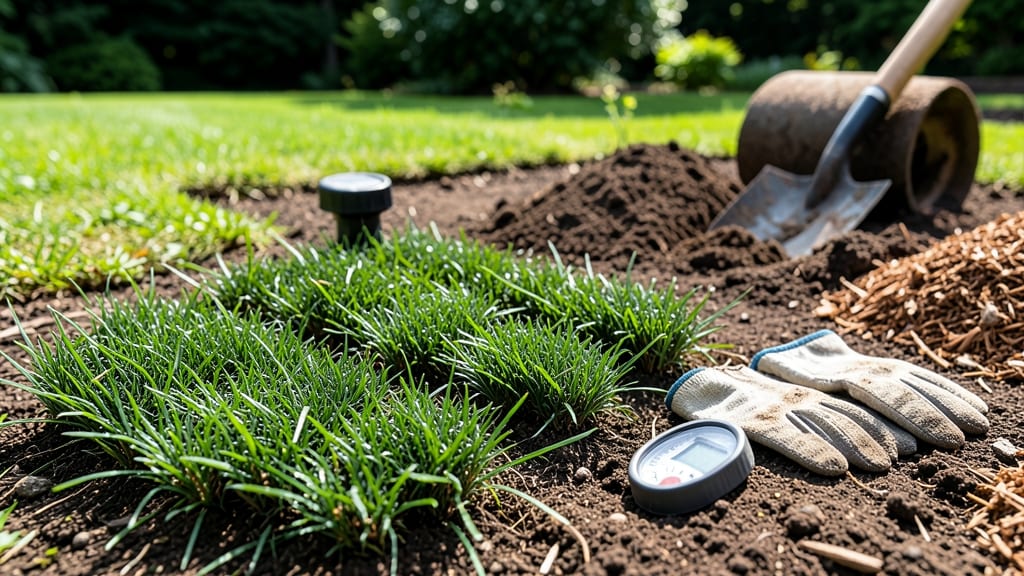
Planting Bermuda grass at the wrong time in Kansas can mean weak roots, poor establishment, and wasted effort—but timing it right guarantees a lush, drought-resistant lawn that thrives through summer heat.
If you've ever struggled with patchy grass or slow growth, you're not alone. The key to success lies in understanding when soil temperatures and weather conditions align perfectly for Bermuda grass 🌱 to take root.
In Kansas' 5b-7a zones, this means waiting until late April through mid-May or shifting to early September for fall planting.
I'll walk you through exactly what to watch for—soil warmth, frost dates, and regional microclimates—that make all the difference between a thriving lawn and one that fights to survive. Let's dive into the easiest way to get your Bermuda grass off to a strong start.
You'll discover how to verify soil readiness, choose the best planting window for your specific Kansas location, and avoid common mistakes that even experienced gardeners make. Ready to transform your yard into a vibrant, heat-beating oasis? Let's get started.
Optimal planting windows for Bermuda grass in Kansas by region
Kansas' diverse microclimates mean planting Bermuda grass in Wichita differs from Kansas City or southeastern Kansas. The key is soil temperature—wait until it stays above 65°F for 4+ weeks—and aligning with your region's last frost date.
Spring planting gives your lawn a head start, while fall planting avoids summer heat stress.
Northern Kansas (USDA Zone 5b) has cooler springs, so aim for late April to mid-May. Southern Kansas (Zone 7a) can start as early as mid-April.
Fall planting works early September to mid-September statewide, but northern areas may need to push to late September to avoid early frosts.
Here’s how Kansas’ three distinct regions break down for Bermuda grass planting:
For Wichita and central Kansas, mid-April is ideal if soil temps warm quickly, but don’t rush—cool soil slows root growth. In southeastern Kansas, you can plant as early as late March if soil temps cooperate, but monitor for late frosts that can damage young sprouts.
Fall planting in Kansas City works best in early September to give roots time to establish before winter. Northern areas should wait until late September to avoid early October frosts. Always check a 7-day forecast for unseasonable cold snaps that could stunt growth.
Pro tip: Use black plastic mulch in early spring to warm soil faster—this can shave 1-2 weeks off your planting timeline. Just remove it 2 weeks before seeding to avoid overheating.
If you’re planting sod instead of seed, adjust your timeline by 2 weeks earlier. Sod establishes faster because roots are already developed, so you can handle slightly cooler soil temps.
Watch for drought conditions in late spring—if rainfall is scarce, prioritize deep watering over frequent light watering to encourage deep root growth. Bermuda grass is drought-tolerant, but young seedlings need consistent moisture to take hold.
Finally, avoid planting during peak summer heat (June-August). The intense sun and dry winds common in Kansas can stress new seedlings. If you miss spring/fall windows, consider container planting to control soil temps better.
How to verify soil temperature before planting Bermuda grass
One of the biggest mistakes I see Kansas gardeners make is planting Bermuda grass too early—when soil temperatures are still too cool. Bermuda grass needs soil that's consistently 65°F or warmer for at least 4-6 weeks to establish strong roots.
Planting before this threshold means slow growth, yellowing patches, and wasted effort. Let's fix that with a simple soil temperature check.
You don't need fancy equipment to test soil warmth. A basic soil thermometer (available for under $10) is your best friend. Insert it 4-6 inches deep—the depth where Bermuda grass roots will grow—and check temperatures daily for a week.
If the thermometer reads below 65°F, hold off on planting. This step alone will save you from frustration later in the season.
Here's a quick trick if you don't have a thermometer: Grab a handful of soil and squeeze it. If it feels cool to your touch or crumbles easily, it's not warm enough.
If it feels slightly warm and holds its shape when pressed, you're likely in the safe zone. This DIY method works surprisingly well for Kansas' variable spring weather.
⚠️ Warning: Planting Too Early
Cold soil causes Bermuda grass seeds to rot before sprouting. In Kansas, northern regions like Topeka may need to wait until mid-May, while southern areas like Wichita can start as early as late April. Always verify soil temps—don't guess!
Another pro tip: Watch for local plant indicators. If dandelions or clover are blooming vigorously in your yard, soil temperatures are likely in the ideal range.
These weeds thrive in 55-65°F soil, so their active growth signals it's time to plant. Pair this with your thermometer check for the most accurate timing.
Timing is everything when it comes to Bermuda grass. If you plant too late in spring, your lawn may struggle to establish before summer heat sets in. Aim for late April to mid-May in most of Kansas, but always confirm with your soil thermometer.
For fall planting, wait until early September when soil temps start cooling but remain above 60°F.
Remember, Bermuda grass is a warm-season grass, meaning it grows best when soil temperatures are warm. By verifying soil warmth, you're giving your lawn the best possible start.
This small step makes all the difference between a patchy, struggling lawn and a lush, vibrant carpet that handles Kansas summers with ease. 🌱