
Plants
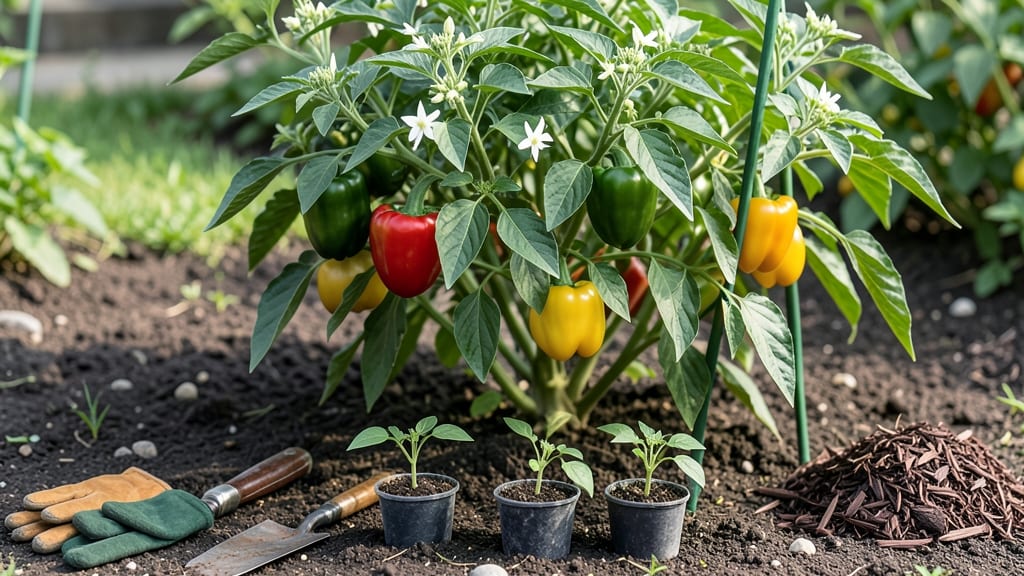
Planting your 🌶️ bell peppers in Arkansas at the wrong time means watching frost kill tender seedlings—or missing out on a harvest before summer heat sets in. The key to success?
Timing your transplant just right for USDA Zones 7b-8a, when soil warms to 60°F and the last frost date (around March 15) is safely behind you.
Most Arkansas gardeners swear by starting seeds indoors by April 15 to get a head start, then moving them outdoors by May 15 once nighttime temps stay above 55°F.
But don’t stop there—fall planting (August 1–September 1) lets you squeeze in a second crop before Arkansas’s first frost hits in mid-November.
Why does this matter? Because bell peppers need 75–90 days to mature, and planting too late means your harvest gets cut short by summer’s sweltering heat.
I’ll show you exactly how to align your schedule with Arkansas’s climate—so you can enjoy peppers from July through October (or even later with the right tricks).
Ready to avoid common mistakes and maximize your yield? Let’s dive into the perfect planting window for Arkansas gardeners—plus how to adjust for early vs. late varieties, soil prep, and even extending your season with shade cloth.
Arkansas bell pepper planting calendar: exact dates for heat Zone 7b/8a success
Arkansas’s USDA Zones 7b/8a mean your bell pepper planting window is tight but rewarding. The key? Starting seeds indoors 8-10 weeks before your last frost (typically March 15) or transplanting seedlings outdoors after April 15, once soil hits 60°F.
For a fall crop, aim for August 1-September 1 to harvest before the first frost (November 15).
Miss this window, and you risk frost damage or stunted growth from Arkansas’s humidity and heat swings. Early varieties like ‘Early Cal Wonder’ (60 days) work for spring, while late varieties like ‘Carolina Wonder’ (85 days) suit fall plantings.
Let’s break it down month by month to avoid common mistakes.
🌱
Arkansas Bell Pepper Planting Timeline
| Stage | Action | Notes |
|---|---|---|
| February | Start seeds indoors | Use grow lights; keep soil at 70-80°F |
| March | Hardening off seedlings | Acclimate for 1 week before transplanting |
| April 15-May 15 | Transplant outdoors | Wait for soil to warm to 60°F; use black plastic mulch |
| August 1-September 1 | Fall planting window | Choose fast-maturing varieties for late harvests |
| October 15 | Harvest before frost | Pull plants if temperatures drop below 32°F |
For spring plantings, Arkansas gardeners often start seeds in late February indoors under grow lights. By April 15, seedlings should be 6-8 inches tall with 4-6 leaves before transplanting. Use black plastic mulch to warm the soil faster—critical in Arkansas’s variable spring weather.
In the Delta region, you might plant 2 weeks earlier than the Ozarks due to warmer microclimates.
If you’re growing heirloom or slow-maturing varieties (like ‘Big Beef’ or ‘Jupiter’), start seeds 10-12 weeks early and consider using a mini greenhouse to extend the season. These varieties need 85+ days to mature, so timing is even more critical.
For container gardening, plant seedlings in 5-gallon pots and move them outdoors after the last frost.
🌿
Don’t overlook fall plantings, which can yield sweeter peppers in Arkansas’s cooler months. Start seeds indoors in late June or buy transplants in early August. Aim to harvest by October 15 before the first frost hits.
Use row covers to protect plants if temperatures dip below 50°F at night. Varieties like ‘Aristotle’ (70 days) or ‘King of the North’ (60 days) are ideal for fall.
Pro tip: Arkansas’s humidity can cause fungal issues like blossom end rot. To prevent this, water at the base of plants in the morning and avoid wetting leaves.
Add 1 inch of mulch around plants to retain moisture and regulate soil temperature—this is especially helpful during Arkansas’s hot, dry summers.
✂️
5 Critical factors that determine your Arkansas bell pepper planting window
Getting your bell pepper planting schedule right in Arkansas means balancing soil temperature, frost dates, and variety maturity. Unlike cooler climates, Arkansas’s Heat Zones 7b/8a give you a longer window—but only if you time it perfectly.
For example, the Delta region (Zone 8a) can start planting 2–3 weeks earlier than the Ozark Mountains (Zone 7b), where cooler nights delay growth.
Your first mistake? Ignoring soil temperature. Bell peppers refuse to germinate below 60°F, and even if they sprout, they’ll languish in cold soil. In northern Arkansas, wait until mid-May when soil consistently hits 65°F; in the south, early April works.
Use a soil thermometer—don’t guess! I’ve seen gardeners rush planting only to watch seedlings rot in chilly earth.
Next, last frost dates aren’t one-size-fits-all. The official average for Arkansas is March 15, but microclimates shift this by weeks. In Mountain View (Zone 7b), frost lingers until April 1, while Little Rock (Zone 8a) is typically frost-free by March 1.
Err on the side of caution: Transplant seedlings only after two weeks of frost-free nights.
- 🌡️ Soil Temperature: Wait until soil reaches 60°F+ (use a thermometer!). Northern Arkansas: May 15; southern Arkansas: April 15.
- ❄️ Last Frost Date: Delta (Zone 8a): March 1; Ozarks (Zone 7b): April 1. Add 2 weeks buffer before transplanting.
- 🕒 Variety Maturity: Early varieties (60 days): Plant by April 15; late varieties (90 days): Start indoors by March 15.
- 🏞️ Microclimate: Delta = 2–3 weeks earlier than Ozarks. Urban heat islands (e.g., Little Rock) warm faster than rural areas.
- ☀️ Sunlight Hours: Ensure 6+ hours of direct sun. Southern exposures in Arkansas get 10+ hours in summer—ideal for peppers!
Don’t overlook pepper variety maturity. A 60-day variety like ‘Early California Wonder’ can handle a late April start, but a 90-day heirloom like ‘Carmen’ needs an early March indoor start.
I once grew ‘Carmen’ from seeds planted too late—by August, the plants were exhausted from fighting heat instead of producing fruit. Match your variety to your first frost date: Aim for a harvest 4–6 weeks before November 15.
Arkansas’s microclimates throw another wrench into timing. The Delta’s humid heat speeds up growth, while the Ozarks’ cooler nights slow it down.
For example, in Jonesboro (Zone 8a), you might harvest by October 1, but in Eureka Springs (Zone 7a), peppers may not ripen until November 1. Use black plastic mulch in cooler areas to warm soil by 10–15°F—it’s a game-changer for late starts.
Finally, sunlight hours are non-negotiable. Arkansas’s long summer days give you 14+ hours of daylight by June, but peppers need 6–8 hours of direct sun daily.
If your garden spot gets afternoon shade (common in wooded Ozark homes), choose compact varieties like ‘Lucky Counter’ or supplement with a reflective surface (like white walls) to bounce light onto plants.