
Plants
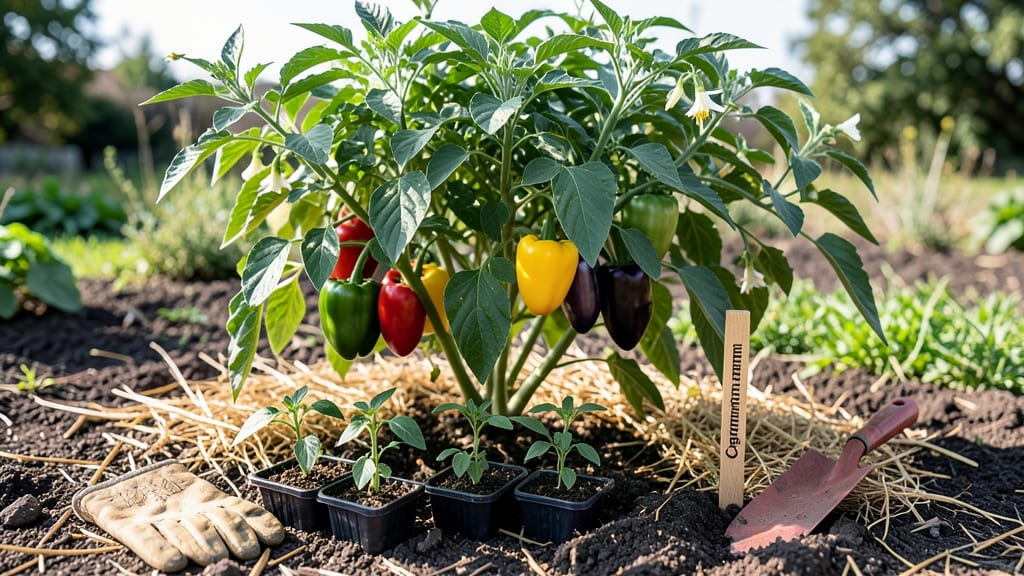
Planting bell peppers 🌶️ in California isn’t one-size-fits-all—get the timing wrong, and you’ll either freeze your seedlings or watch them bolt in the heat. The key to a thriving harvest lies in understanding your microclimate, whether you’re in foggy coastal zones or sweltering desert valleys.
Most gardeners in USDA zones 8a-11 (like the Central Coast or inland valleys) should start seeds indoors in January and transplant after the last frost—typically by March.
But desert growers in zones 10a-11 can push planting back until February or March, when soil temperatures hit the sweet spot of 60°F (15°C).
Why does this matter? Because bell peppers are finicky—they need 75-120 days of warm weather to mature, and planting too early in cooler areas means stunted growth, while late starts risk bolting before harvest.
I’ll break down the exact windows for your region and share pro tips to extend your season.
Ready to avoid common mistakes like transplant shock or wasted seeds? Let’s dive into the perfect planting schedule tailored to your corner of California—so you can enjoy a bumper crop from May through October.
California bell pepper planting zones: frost-free dates by region
Bell peppers thrive in California’s warm climate, but the wrong planting window can ruin your harvest. The state’s diverse microclimates—from coastal fog belts to desert heat—create wildly different frost-free dates.
In Santa Barbara, coastal fog delays spring, while Palm Springs sees early soil warmth. Understanding these zones ensures your peppers get a strong start.
California spans USDA zones 8a-11, but local frost-free dates vary dramatically. Coastal areas like San Francisco and Santa Cruz often see frost until February 15, while desert regions like Coachella Valley rarely experience frost at all.
For bell peppers, which need warm soil (60°F+), timing is everything—plant too early, and cold soil stunts growth; too late, and summer heat stresses plants.
Here’s a region-by-region breakdown of ideal planting windows, adjusted for microclimates. Use this as your guide to avoid common pitfalls like transplant shock or premature bolting.
In the Central Coast, where Santa Barbara’s fog lingers into March, start seeds indoors by January 15 and transplant after February 15. The cooler, damp conditions slow soil warming, so use black plastic mulch to raise temperatures.
For Southern California, milder winters mean you can direct-sow as early as December 15, but avoid planting before January 1 to prevent cold damage.
The Sierra Foothills present unique challenges due to later frost dates and cooler nights. Wait until April 15 to plant outdoors, or start seeds indoors by February 15. Use row covers if frost threatens, as even light frosts can kill young seedlings.
In these zones, short-season varieties like 'Early Cal Wonder' are ideal—they mature before summer heat peaks.
Desert regions like Palm Springs and Coachella Valley are frost-free year-round, but soil warmth is the limiting factor. Don’t plant until soil temperatures hit 60°F (15°C), typically by February 1.
Choose heat-tolerant varieties like 'Jupiter' or 'Carmen' to avoid blossom drop in 100°F+ heat. Shade cloth can help protect young plants from intense desert sun.
Pro tip: Use a soil thermometer to confirm warmth before planting. Bell peppers won’t germinate in cold soil, and even if they do, growth will be stunted. In coastal areas, wait until soil reaches 65°F (18°C)—warmer than inland zones.
This small adjustment can mean the difference between a bountiful harvest and a disappointing yield.
For container gardening in urban areas, align your planting window with your microclimate. In San Francisco, start seeds indoors by January 1 and move pots outside after March 15.
In Los Angeles, you can direct-sow as early as January 15, but protect seedlings with frost cloth if nights dip below 40°F (4°C).
Remember, bell peppers need 75-120 days to mature, so time your planting to finish before first frost (if applicable) or extreme summer heat. In desert regions, this means aiming for a May-June harvest; in cooler coastal zones, stretch harvests into October by choosing longer-season varieties.
By tailoring your planting window to your local microclimate, you’ll avoid the most common mistakes—transplant shock, bolting, and poor yield. With the
How to adjust planting timing for coastal vs. inland microclimates
California’s coastal regions like Santa Barbara experience delayed soil warming due to ocean breezes, while inland valleys such as the Central Valley can hit 60°F soil temps weeks earlier. This mismatch means timing your bell pepper planting isn’t one-size-fits-all—your location dictates whether you should rush or wait.
For example, coastal gardeners often plant in late February to March, while inland areas can start as early as January. Understanding these differences helps avoid transplant shock or stunted growth from temperature extremes.
Soil temperature is your #1 guide for planting bell peppers. Use a soil thermometer to confirm readings of 60°F (15°C) at a 4-inch depth—this signals it’s safe to plant.
Coastal areas may need to wait until mid-March, while desert regions like the Coachella Valley can plant as early as late December. Ignoring this rule risks poor germination or weak seedlings, especially in foggy coastal zones where mornings stay chilly even in summer.
⚠️ callout warning
Coastal gardens: Planting too early (before March) risks frost damage even in USDA Zone 10. Use black plastic mulch to warm soil 2–3 weeks faster.
Inland valleys: Delaying past April can cause heat stress—choose shade cloth (30–50%) for young plants during peak afternoon sun.
Desert regions: Never plant before January 15—soil may still be too cool, and summer heat arrives abruptly.
Row covers and mulches are your secret weapons for adjusting planting windows. In coastal areas, floating row covers can push planting dates 2–3 weeks earlier by trapping heat. For inland zones, black plastic mulch raises soil temps by 5–10°F, letting you plant 4–6 weeks ahead of traditional schedules.
Pro tip: Combine both—use mulch for soil warmth and row covers for overnight protection in transitional months like March.
Heat tolerance varies by variety, but all bell peppers struggle with soil temps above 90°F. In inland areas, plant shorter-season varieties (like ‘Early Cal Wonder’) by late February to harvest before summer’s peak.
Coastal gardeners can stretch the season by using low tunnels in fall, allowing peppers to mature into October or November—just remove covers before flowering to prevent humidity buildup.
Monitor local frost risk beyond USDA zones. The Central Coast’s Santa Maria region often sees frost in January, while the San Joaquin Valley rarely drops below freezing. Use microclimate maps from your local Cooperative Extension office to pinpoint exact frost-free dates.
For example, planting in Salinas in early March risks a late frost, but Bakersfield’s desert edge is safe by mid-February.
Adjust your watering strategy based on microclimates too. Coastal peppers need morning watering to dry foliage before fog sets in, while inland plants may need drip irrigation to avoid evaporation in 100°F+ heat.
Mulch with straw or wood chips to retain moisture—coastal soils stay damp longer, while inland soils dry out faster. A 1–2 inch mulch layer can extend your planting window by 10–14 days in both environments.