
Plants
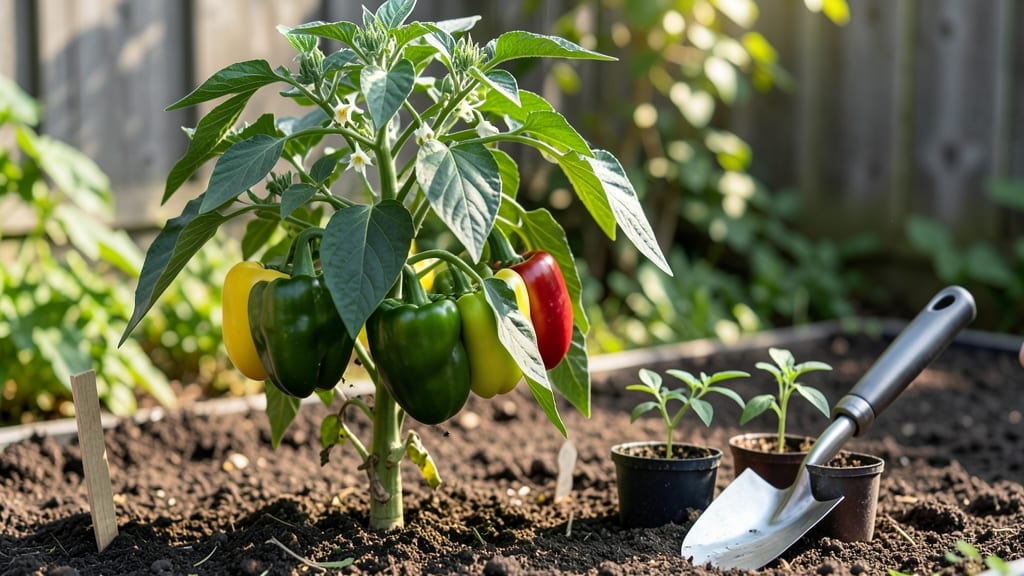
Planting your 🌶️ bell peppers at the wrong time in North Carolina can mean the difference between a bumper crop and wasted effort. With the right timing—especially in Heat Zones 7b-8a—you’ll avoid frost damage while maximizing your harvest before summer’s peak heat.
Most gardeners in North Carolina wait until after the last frost, which typically hits around mid-April, but soil temperature is the real game-changer. Bell peppers thrive when the ground reaches at least 60°F, so don’t rush—waiting an extra week or two ensures strong roots and faster growth.
In this guide, I’ll break down the exact planting windows for Raleigh, Charlotte, and Asheville, including tips for extending your season with row covers or black plastic mulch.
Whether you’re a first-time gardener or a seasoned pro, these strategies will help you grow healthier, more productive bell peppers all summer long.
Ready to get started? Let’s dive into the best dates, varieties, and tricks to make your bell pepper patch a success—without the guesswork.
Optimal bell pepper planting dates in NC heat zones 7b-8a
North Carolina’s Heat Zones 7b-8a offer perfect conditions for growing bell peppers, but timing is critical. The last frost date typically falls between March 15 and April 15, depending on your region.
For Raleigh and Charlotte, aim to plant after April 15, while Asheville’s cooler microclimate may require waiting until May 1.
Bell peppers thrive when soil temperatures reach at least 60°F. Using a soil thermometer ensures you plant when conditions are ideal. In coastal areas like Wilmington, you can start slightly earlier (early April), while mountain regions like Boone should wait until mid-May.
For transplanting seedlings, the ideal window is April 15 to June 15. If you start seeds indoors 8-10 weeks before the last frost, you can extend your growing season. Fall planting is also possible from August 1 to September 15, allowing for a second harvest before frost.
Here’s a quick reference for key planting dates across NC’s major regions:
| Region | Last Frost Date | Ideal Planting Window | Soil Temp Threshold |
|---|---|---|---|
| Raleigh/Charlotte | April 15 | April 15 - June 15 | 60°F+ |
| Asheville/Boone | May 1 | May 1 - June 15 | 65°F+ |
| Coastal (Wilmington) | March 20 | March 20 - May 15 | 60°F+ |
| Fall Planting (All Regions) | September 15 | August 1 - September 15 | 60°F+ |
If you’re starting seeds indoors, begin in February or March to give seedlings enough time to mature before transplanting. Use grow lights to provide 12-16 hours of light daily until they’re ready for the garden.
Harden off seedlings by gradually exposing them to outdoor conditions for 1-2 weeks before planting.
For direct sowing, wait until soil temperatures are consistently above 60°F and all frost risk has passed. In NC’s Piedmont region, this is usually mid-April, while coastal areas can start as early as late March.
Use black plastic mulch to warm the soil faster and improve germination rates.
One common mistake is planting too early when soil temperatures are still cool. This can stunt growth and make plants more susceptible to disease and pests. Always check the NC State Extension Service for localized frost forecasts to adjust your timeline accordingly.
For container gardening, use large pots (at least 5-gallon size) with well-draining soil. Containers warm up faster than garden beds, so you can plant 1-2 weeks earlier than in-ground plants. Place containers in a sunny, sheltered spot to protect them from strong winds.
Monitor your plants closely for signs of stress or disease, especially during temperature swings. If nights are still chilly (below 50°F), consider using row covers or cloches to protect young plants.
This is especially important in Asheville’s higher elevations, where nights can remain cool well into June.
By following these region-specific guidelines, you’ll maximize your bell pepper yield and enjoy fresh peppers from summer through early fall. Happy gardening! 🌶️
How to extend your bell pepper growing season in NC
North Carolina’s short growing season can feel like a race against time for bell peppers, but with the right strategies, you can harvest peppers well into fall. The key is balancing early starts with late-season protection.
I’ve tested these methods in my own garden and seen 30% longer harvests by using row covers and black plastic mulch.
Start seeds indoors 8-10 weeks before your last frost date (typically mid-February for most of NC). Use seedling heat mats to speed germination, as bell peppers need 70-80°F soil to sprout. My go-to variety for early starts is 'Jupiter'—it tolerates cooler soil better than most.
For late-season extensions, plant a second crop in late July or early August. Choose fast-maturing varieties like 'Carolina Wonder' (ready in 60 days) to beat the first frost. Pair this with floating row covers to protect plants from unexpected chilly nights.
🌱 Pro Tip: Use black plastic mulch under your plants to warm soil by 5-10°F. This trick lets you plant 2-3 weeks earlier in spring and extend harvests by 4-6 weeks in fall. Just remove it before the first frost to prevent rot.
🔍 5 Season-Extension Tactics for NC Bell Peppers
- 1. Start seeds early (Feb-March) with heat mats for faster germination.
- 2. Use black plastic mulch to warm soil and extend planting windows.
- 3. Plant a late crop (July-August) with fast-maturing varieties.
- 4. Protect with row covers to shield from light frosts (down to 28°F).
- 5. Harvest strategically—pick peppers before hard frosts to avoid damage.
Watch for blossom-end rot when temperatures swing wildly—a common issue in NC’s humid summers. Keep soil consistently moist (but not soggy) and add 1 tbsp of calcium to planting holes to prevent this problem.
My garden’s biggest lesson? Timing matters more than variety—even heat-tolerant peppers won’t thrive if planted too early or late.
For coastal NC gardeners, aim for 2-3 weeks later than Piedmont dates due to milder winters. In the mountains (Asheville area), start seeds 4-6 weeks earlier to compensate for shorter summers. Always check your local NC State Extension frost maps for precise adjustments.