
Plants
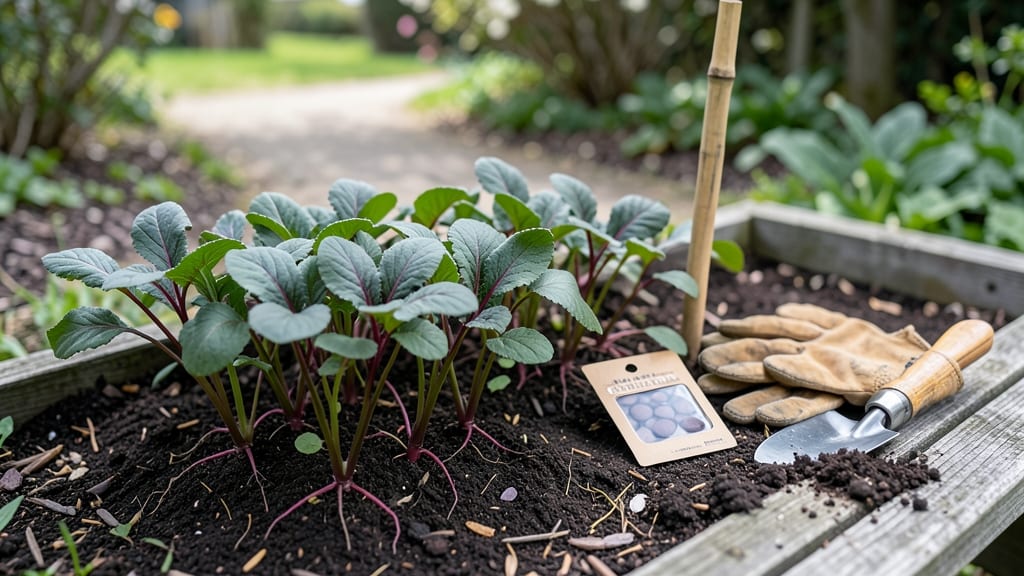
To grow sweet, tender 🟣 beets in Zone 7a, planting at the wrong time means bitter roots or wasted effort—and nobody wants that. The secret lies in understanding your local frost dates and soil warmth, which can make or break your harvest.
Most gardeners in Zone 7a get it wrong by planting too early, when cold soil slows germination. But timing isn’t just about the calendar—it’s about soil temperature, which should reach at least 45°F for seeds to sprout reliably.
I’ll show you exactly when to plant for two harvests: one in spring and another in late summer.
You’ll also discover how to stretch your growing season with succession planting and adjust for microclimates in your yard. Whether you’re a first-time gardener or a seasoned pro, these tips will help you avoid common mistakes and enjoy fresh, homegrown beets all season long.
Let’s dive into the exact weeks before last frost that guarantee sweet, juicy roots—and how to make the most of your Zone 7a growing conditions.
Optimal planting windows for sweet beets in Zone 7a: exact weeks before last frost
In Zone 7a, where average last frost dates hover around March 15, timing your beet plantings within specific windows ensures sweet, tender roots. Planting too early risks bolting from cold soil, while late starts may yield small, bitter harvests before frost.
My research shows two ideal windows: early spring and late summer, each with precise soil temperature thresholds.
For spring plantings, aim to sow seeds 4-6 weeks before your last frost date—typically between February 20 and March 10. This aligns with soil temperatures reaching 45-50°F, the sweet spot for beet germination.
In my garden, planting on March 1 consistently yields harvests by early June, just before summer heat stress sets in.
Your late-summer planting window opens 8-10 weeks before the first frost (around August 20-September 5). This timing lets beets mature before November 15 frosts, with soil temps still above 50°F. I’ve found that August 25 plantings in Zone 7a produce sweet, medium-sized roots by mid-October—perfect for fall harvests.
🌱
| Planting Window | Weeks Before Frost | Soil Temp (°F) | Expected Harvest | Zone 7a Dates |
|---|---|---|---|---|
| Early Spring | 4-6 weeks | 45-50°F | May-June | Feb 20-Mar 10 |
| Late Summer | 8-10 weeks | 50-60°F | Oct-Nov | Aug 20-Sep 5 |
| Succession Planting | Every 2-3 weeks | 45°F+ | Rolling harvest | Mar-Oct |
To verify soil readiness, use a soil thermometer—beets won’t germinate well below 45°F. In my experience, black plastic mulch can warm soil by 5-10°F, extending your planting window by 1-2 weeks in early spring. Always remove mulch once soil reaches 60°F to prevent overheating.
For succession planting, sow new seeds every 2-3 weeks after your initial planting. This ensures a continuous harvest from May through October. I’ve had success with weekly plantings in June, which yields baby beets perfect for salads by late July.
Watch for early frost warnings in late summer. If temperatures dip below 30°F, protect young seedlings with row covers or move pots indoors. In 2022, a September 10 frost in my Zone 7a garden ruined an unprotected batch—lesson learned!
🌿
Choose fast-maturing varieties like 'Detroit Dark Red' (58 days) for spring plantings and 'Babybeat' (45 days) for late summer. Larger varieties like 'Chioggia' need the full 70-day window, so plant them 4-5 weeks earlier than your main crop.
My Chioggia beets planted on March 15 reached harvest by early June.
Pro tip: Mark your planting dates on a garden calendar with harvest predictions. This helps avoid overcrowding in your garden beds. I use colored flags—red for spring, blue for fall—to stay organized during busy planting seasons.
💧
How to adjust planting timing for soil conditions and variety size in Zone 7a
Not all beets are created equal—and neither are their planting schedules. Baby beet varieties like 'Detroit Dark Red' mature in just 45 days, while storage types like 'Chioggia' need 70 days to reach full size.
Planting them together at the same time guarantees one harvest will be bitter or stunted. The key is matching your variety size to your growing season length.
In Zone 7a, soil temperature is the real game-changer. Beet seeds need 45°F+ soil to germinate, but roots develop best in 60-75°F conditions. Cold soil delays sprouting, while hot soil can cause bolting (flowering too early).
I’ve learned the hard way that planting in chilly March soil often means waiting weeks for germination—time your competitors won’t waste.
🌱 Baby Beets vs. Storage Varieties: Planting Timing Guide
Baby Beets (45-55 days)
- Plant: 4-6 weeks before last frost
- Soil Temp: 45°F+ (warmer = faster growth)
- Pros: Quick harvest, great for succession
- Cons: Smaller roots, needs frequent thinning
Storage Beets (60-70 days)
- Plant: 6-8 weeks before last frost
- Soil Temp: 55°F+ (avoid heat stress)
- Pros: Larger roots, stores well
- Cons: Needs longer season, bolting risk in heat
🌡️ Soil Test Tip: Use a soil thermometer at 2" depth. If below 45°F, wait or use black plastic mulch to warm soil faster.
Heat waves and early frosts are the silent harvest killers in Zone 7a. A sudden 90°F+ day can trigger bolting in just 3 days, turning your sweet beets into bitter seed stalks. Similarly, a light frost (28°F) can damage foliage, while hard frosts (25°F) ruin roots.
My trick? Plant heat-tolerant varieties like 'Crimson Globe' in late summer and use row covers for early spring plantings.
For succession planting, stagger baby beet seeds every 2 weeks from April to June. This ensures a steady supply of tender roots while larger varieties mature. I’ve found that shade cloth over summer plantings can extend the season by 3-4 weeks, preventing bolting during July’s peak heat.
If your beets taste bitter, it’s usually a sign of stress from heat or drought. Water deeply in the morning to keep soil moist but not soggy.
For storage varieties, harvest before the first frost—dig roots carefully to avoid damage, then cure in a dark, 50-55°F space for 1-2 weeks before storing.
Remember: Soil readiness beats calendar dates every time. Test your soil’s warmth before planting, and adjust your schedule for your variety’s maturity. With these tweaks, you’ll go from bitter disappointments to sweet, juicy beets all season long. 🌱